

15 Outdated Gender Phrases We Need to Stop Saying To Children

From the moment they are born, kids are taught that boys act one way and girls are expected to act another way. From the simple myth that pink is for girls and blue is for boys, kids are automatically programmed to believe specific genre stereotypes that are not always beneficial for their development. If you want to encourage your kids to break those gender misconceptions, you need to stop saying these 15 phrases immediately. They are not only harmful in the long run, but saying these things can be upsetting in the short term as well. Let’s all agree to stop using these phrases and just let our kids be happy kids!
“Boys Don’t Cry”

Telling boys they shouldn’t cry teaches them to hide their feelings, making it hard to show emotions when they grow up. Crying is a natural way to express feelings, and it’s okay for everyone, whether a boy or a girl. Instead of saying, “Boys don’t cry,” we should encourage all kids to share their feelings. Boys must know that showing emotions is a sign of strength, not weakness.
“Girls Don’t Climb Trees”

Saying girls shouldn’t climb trees makes them think they can’t be adventurous or active. This limits what girls believe they can do and makes them feel like they have to act a certain way. Climbing trees, running around, and playing outside are things all kids should be able to enjoy. Instead of telling girls what they can’t do, we should encourage them to explore and be brave. Every child should have the chance to have fun and be active.
“Boys Don’t Play House”
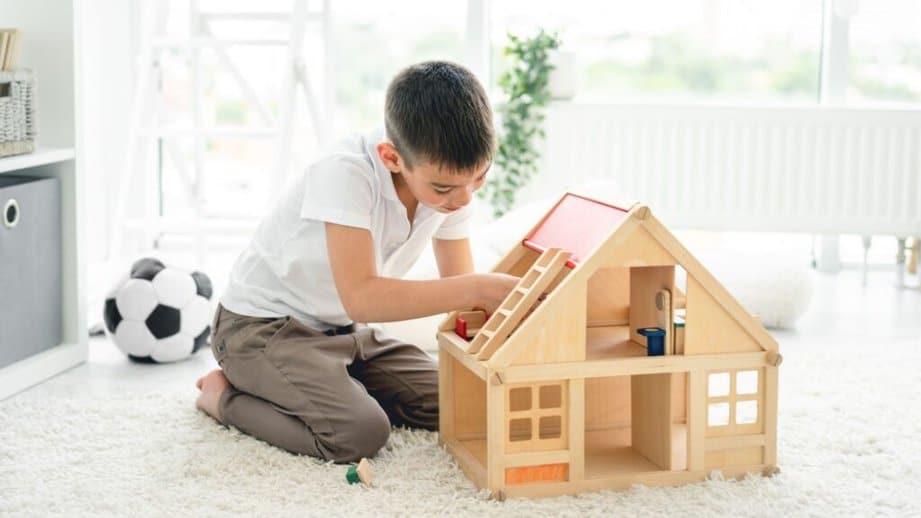
When we tell boys not to play house, we’re saying that taking care of others isn’t something boys should do. This reinforces the idea that caring for a home or family is only for girls. But everyone needs to learn how to take care of themselves and others. Playing house can teach boys critical skills like kindness and responsibility. We should encourage boys to play in ways that help them grow into caring and capable adults.
“Girl, Don’t Be Bossy”
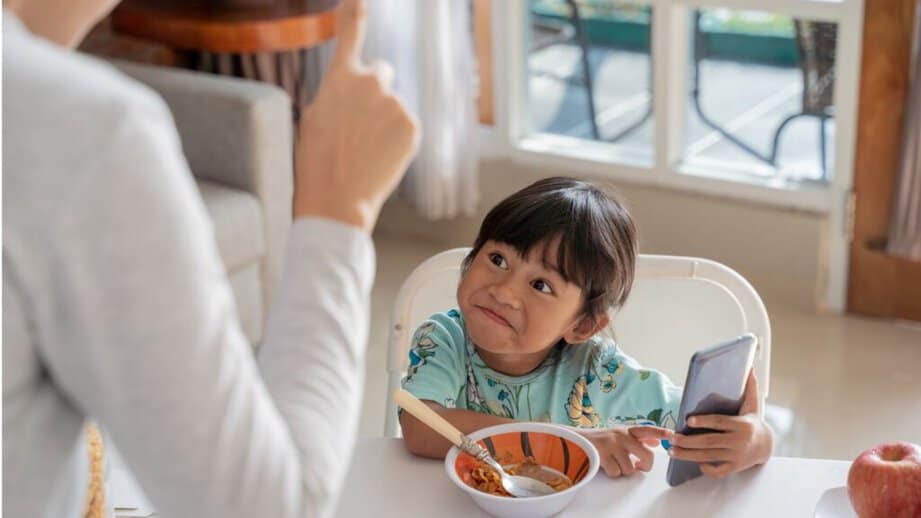
Calling a girl “bossy” when trying to lead or make decisions can stop her from being confident. It sends the message that girls shouldn’t be in charge or speak up for themselves. Instead of using the word “bossy,” we should praise girls for being leaders and sharing their ideas. We must teach all kids that being confident and taking charge when needed is okay. This way, girls can grow up knowing they can be strong leaders.
“Boys Shouldn’t Wear Pink”
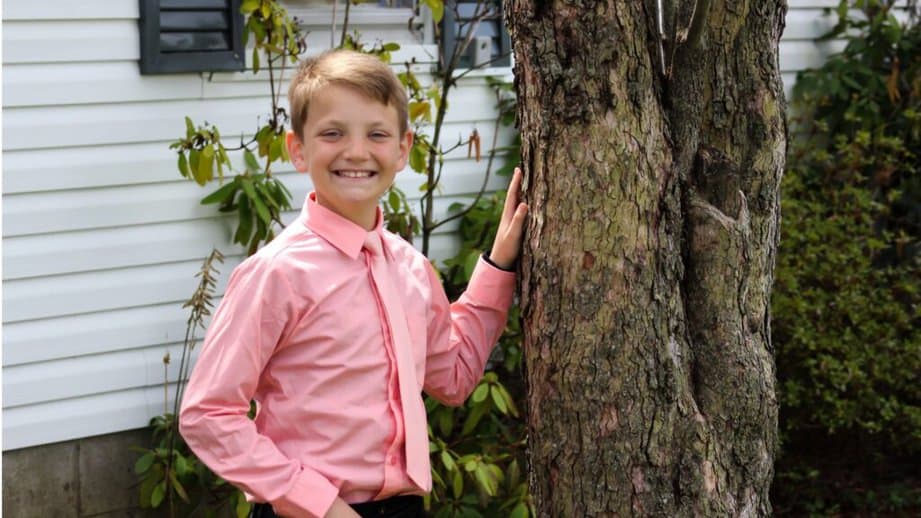
Telling boys they shouldn’t wear pink suggests that specific colors are only for particular genders. This limits their choices and makes them feel they must fit into a specific box. Colors don’t belong to any gender, and everyone should be free to wear whatever makes them happy. Instead of focusing on what colors boys or girls should wear, we should celebrate their unique styles. Letting kids choose their favorite colors helps them express who they are.
“Girls Need to Be Careful”

When we tell girls they need to be careful, it often means we think they are weaker or need more protection. This can make girls feel like they aren’t as strong or capable as boys. While it’s essential to be safe, we shouldn’t make girls feel like they can’t take risks or try new things. Instead, we should encourage all kids to be brave and confident in what they do. Girls should know that they can be just as adventurous as boys.
“Real Men Don’t Back Down”

Saying that “real men don’t back down,” pressures boys to always be tough and never show fear. This can lead to dangerous situations where boys feel they have to prove themselves, even when it’s unsafe. True strength comes from knowing when to stand up and when to step back. We should teach boys that it’s okay to back down sometimes and that real courage is about making intelligent choices. This helps boys grow up to be thoughtful and robust adults.
“Girls Are Naturally Better at Nurturing”

Saying girls are naturally better at nurturing can limit what they believe they can do. It suggests they should focus on caring for others instead of chasing their dreams. While nurturing is an excellent quality, it’s not something only girls can do. Boys can be nurturing, too, and girls can be leaders, scientists, or whatever they want to be. We should encourage all kids to follow their passions and develop the qualities that make them happy.
“Boys Don’t Dance”

Telling boys they shouldn’t dance means expressing themselves through movement isn’t for them. This can stop boys from enjoying something fun and creative. Dancing is an excellent way for everyone to express themselves, regardless of gender. We should encourage boys to dance if they enjoy it and let them know it’s a perfectly normal thing to do. Everyone should feel free to express themselves through dancing if they want to.
“Girls Shouldn’t Be Too Ambitious”

When we tell girls not to be too ambitious, we say they shouldn’t aim too high or dream too big. This can limit their potential and make them feel like they should hold back. Ambition is essential for everyone, and girls should be encouraged to pursue their dreams just as much as boys. We need to support girls in being bold and chasing their goals. By doing this, we help them believe they can achieve anything they set their minds to.
“Boys Don’t Need to Help with Housework”
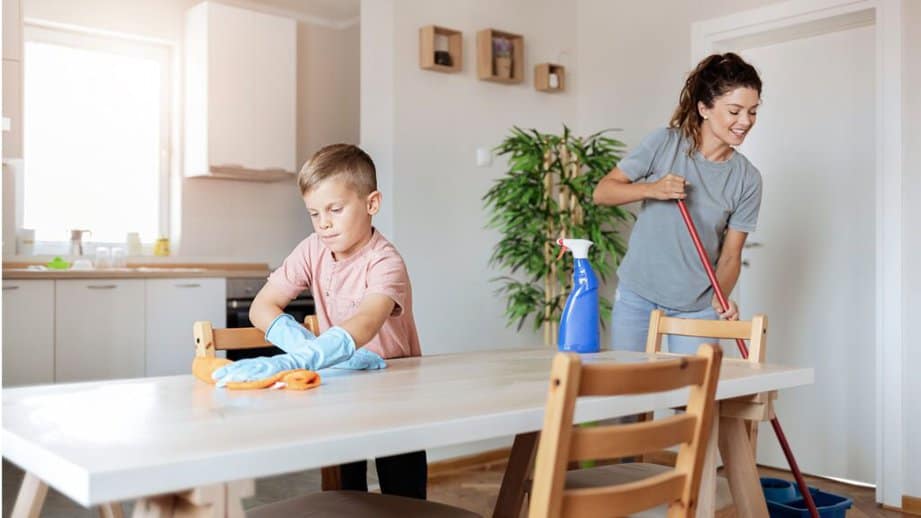
Saying that boys don’t need to help with housework reinforces the idea that cleaning and cooking are only for girls. This creates an unfair division of responsibilities and teaches boys that they don’t need to contribute at home. Everyone should learn how to care for a home, regardless of gender. We should teach boys that helping with housework is a standard and vital part of life. This helps create a more equal and fair environment at home.
“Girls Should Be Modest”

Telling girls they should always be modest can make them feel they must hide who they are. It suggests they should worry more about what others think of them than being themselves. While it’s important to be respectful, girls should also feel free to express themselves and be proud of who they are. We should encourage girls to be confident and not let anyone make them feel small. This helps them grow up to be strong and self-assured.
“Only Girls Should Show Affection”

Boys are taught to look tough and aloof, while girls are encouraged to be affectionate and caring. However, it doesn’t matter if a child is a boy or a girl, they all deserve to be loved openly. If a boy enjoys cuddling his mom, it should be encouraged. If a little girl wants to give her dad a kiss, she should be able to. Kids should be taught that affection is great and not something that should be withheld because of gender.
“Man Up”

Telling little boys to “man up” reinforces the harmful idea that showing emotions is a sign of weakness. This phrase implies that vulnerability and sensitivity are negative traits, and it can discourage boys from expressing themselves openly. The phrase also promotes unrealistic standards of toughness, pushing boys to adopt a narrow view of masculinity. Encouraging emotional openness and empathy in boys helps them develop healthier relationships and mental well-being in the long run.
“Boys Can Fight”
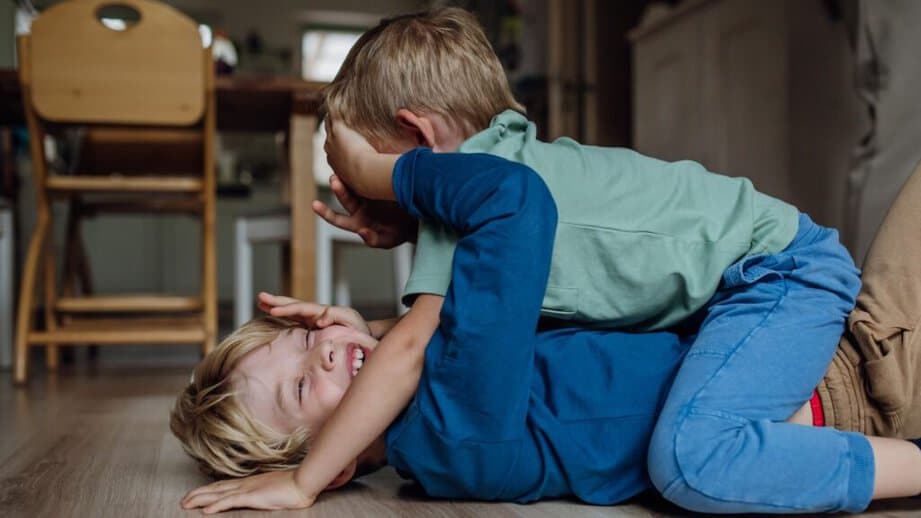
The idea that it is okay for boys to fight with each other is harmful and potentially dangerous. This can send the wrong message about conflict resolution and teach them to resort to violence rather than communication. This mindset can lead to unhealthy relationships and difficulties in managing emotions as they grow older. It also pushes the belief that boys can hurt each other without consequence. Stop telling young boys that it is okay to fight, especially if you want them to grow up to be compassionate, emotionally stable individuals.
The words we use with our kids matter a lot, and the phrases we choose can shape how they see themselves and the world around them. By stopping harmful gender phrases, we can help our children grow up feeling confident and free to be who they are. Let’s try to use words that lift and support all kids, no matter their gender. Doing so can create a kinder, more inclusive world for everyone.


