15 Surprising Ways Schools Have Changed in the Past Decade
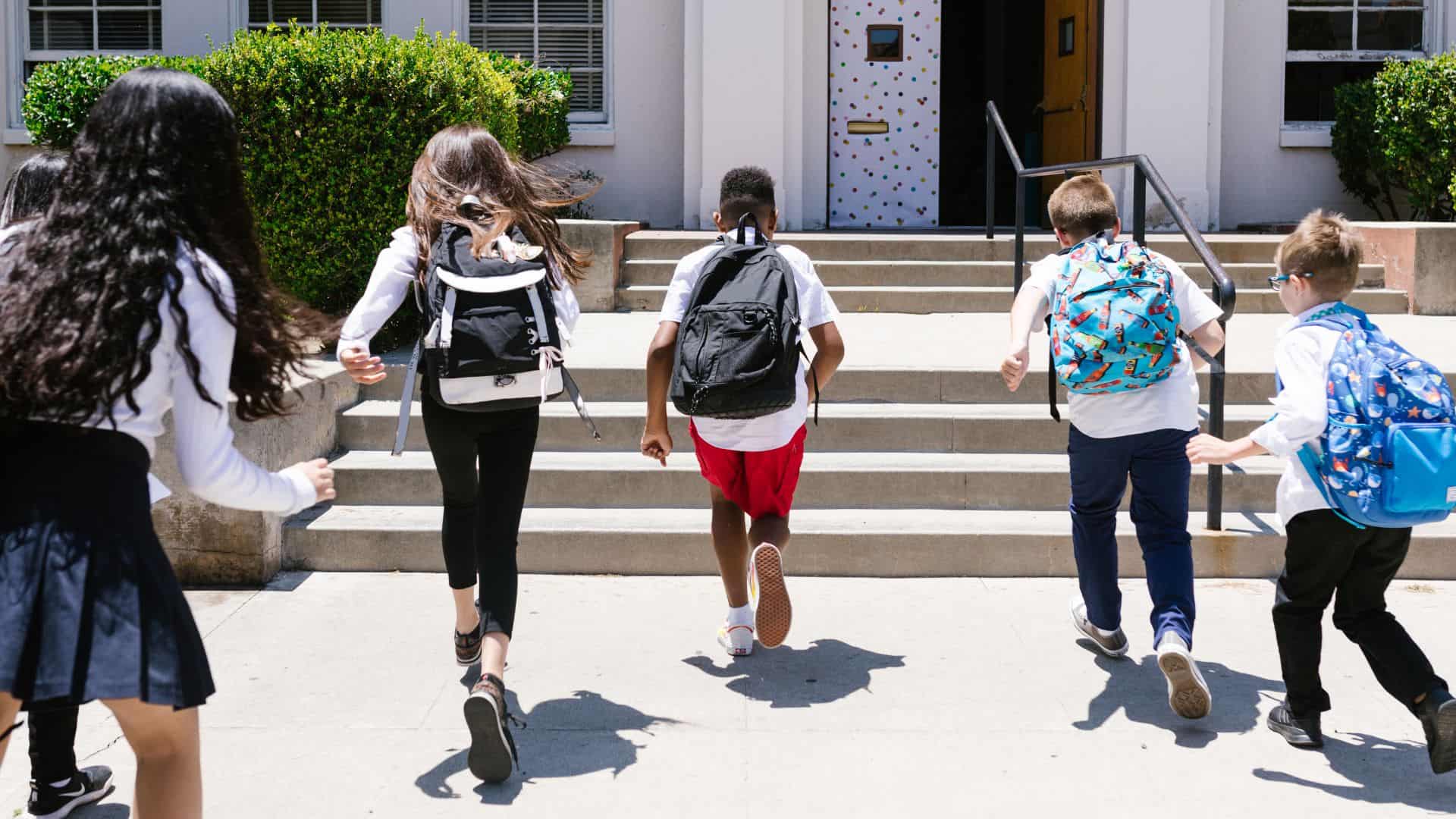
Education and the school system are constantly changing and adapting. Every year brings new updates, from integrating cutting-edge tech into classrooms to rethinking which subjects are essential and which are not beneficial. Keeping up with these shifts is key to understanding the way new generations learn, think, and form their values. But have you ever wondered how much schools have really transformed in recent years? We wanted to point out a few major educational changes that older generations might not even know about. They are pretty fascinating!
Common Core

Do you remember having to graph out and group numbers in order to add items? No? In the 1990s, memorization and learning how to “carry the 1” was the norm. Since 2010, states started to adopt common core.
This style of teaching is controversial, primarily because it’s often more confusing than it is helpful. Even parents have struggled to understand these math methods, which is why there’s now a growing movement to get rid of Common Core.
No More Cursive!

Remember how you had to learn how to write in cursive? Cursive writing was developed to help children write easily and prevent quills from breaking. It’s been around for hundreds of years.
The advent of computers made cursive fairly obsolete. As a result, it’s no longer taught in school.
Crowded Classes

Depending on the school you went to, it wasn’t unusual to hear of classes as small as five or ten back in the 2010s. Unfortunately, that level of individual attention is increasingly rare.
Prior to the 2010s, class sizes were shrinking. Since 2010, they started to balloon once more. For example in Nevada, the average class size started at 28 students per room in 2009. By 2016, that number was 36.
More Tech

Do you remember how teachers used to punish cellphone-toting students? Today, that’s mostly a thing of the past. Tech is everywhere at school, and most students still keep their phones on them.
Most lessons now involve tablets and computers. Teachers help students and parents navigate social media and other similar platforms as part of their job.
Lockdown Drills

Did your child recently have an active shooter drill? They’re not alone. The vast majority of states now require active shooter drills or lockdown drills in all schools. Back in 2013, that wasn’t entirely normal.
The early 2010s were the first years of law enforcement working to create lockdown drills for schools. Today, they are widespread and viewed as the norm.
More Mixed Demographics

America’s school systems now reflect the country’s changing demographics. The number of white students dropped from 52.4 percent to 46.6 percent from 2010 to 2019. Schools have become increasingly diverse, and that trend doesn’t look like it’ll stop anytime soon. As schools become more diverse, it becomes crucial for educational institutions to adapt their policies and support systems to serve the needs of students from diverse backgrounds effectively.
Less Fun

Remember how much fun you used to have at recess? That’s quickly becoming a thing of the past, but not because of cell phones. Rather, school administrators have been chipping away at students’ spare time.
Schools now have less playtime and recess time than ever before. Academics have taken on a bigger focus, leaving kids to suffer for it. The average school system slashed unstructured playtime by 60 minutes per week since 2001.
Mental Health
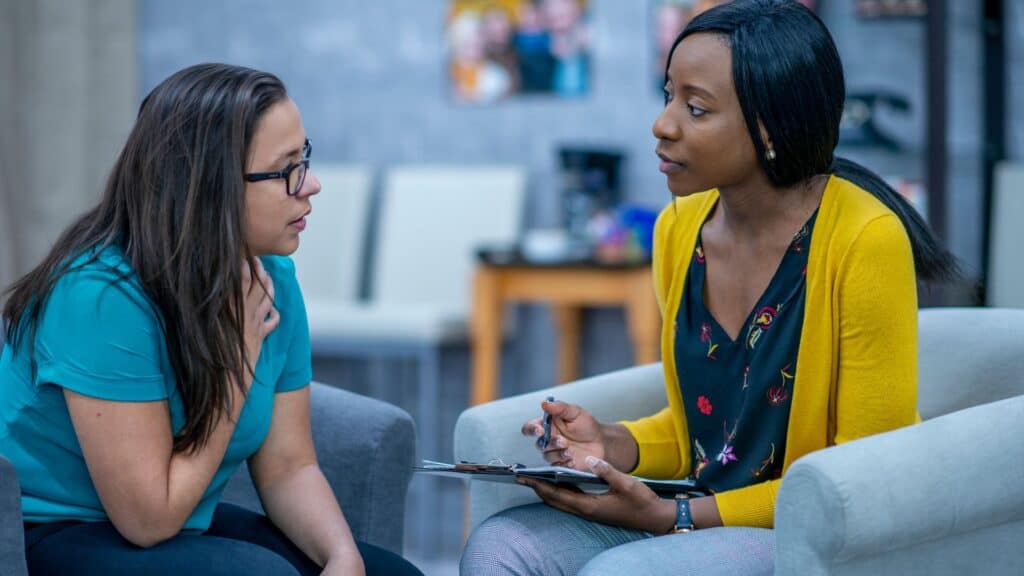
By now, it’s no secret that students are suffering from record-high rates of depression and suicide attempts. Youth suicides rose by a shocking 62 percent between 2007 and 2021, making it one of the most alarming changes this decade has seen.
Depression and anxiety over grade performance have also risen during these years. It’s gotten to the point that schools now have social workers and therapists on staff. Teen suicides are also one of the reasons for the new mental health crisis number 988.
Checked-Out Teachers

Did you know that teacher pay actually decreased over the past 10 years? It’s true. Teachers are now paid approximately $3,644 less per year when compared to 10 years ago when adjusted for inflation.
They also are expected to pay for school supplies out of pocket. Between the sky-high cost of college and the low pay, it’s not surprising to hear that teachers are quitting en masse. It’s simply not a sustainable business model.
Focus On Food
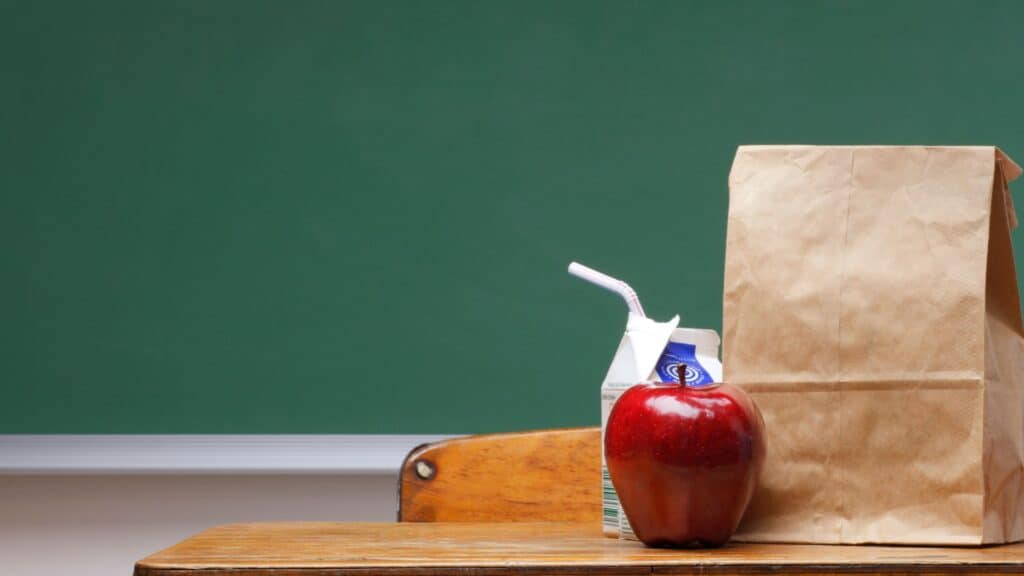
Did you hear your kid laughing about the taste of bad school lunches? It’s no joke. School lunches have become so bad that they’re worse than jail meals in many districts. In Brooklyn, students even photographed lunches served to them covered in mold.
Between the higher cost of lunches, withholding student graduations due to unpaid lunch tabs, and the terrible food quality, it’s not surprising to hear that lunches are now a hot topic at school. School food is quickly becoming a major political issue at local levels.
Soft Skills
By now, everyone noticed that children have been struggling to find friends after the COVID-19 lockdown. Social skills have become stunted. To help students feel more connected to one another, schools are starting to implement soft skills classes that include lessons on emotional regulation and abuse recognition.
More English Learners

The demographic change also means more foreign children learn English in public schools. Kids whose parents don’t speak this language as their mother tongue often have to learn this while in school, something quite admirable at such a young age.
College Is A Must

Another key difference is that nowadays, it is almost taken for granted that all students will go to college to continue their studies. Unfortunately, unlike previous generations, finding a job without a college degree has become increasingly difficult. This can be problematic for families unable to pay the high college fees.
Online Classes

Why not make the most of the internet once you can access it? It turns out that we are! In the 2016/2017 academic year, 20% of all high school and middle school credits were completed thanks to online programs. In addition, 40% of all high school senior students reported taking at least one online course. Studying online has plenty of benefits, allowing for a more flexible schedule.
STEM Emphasis
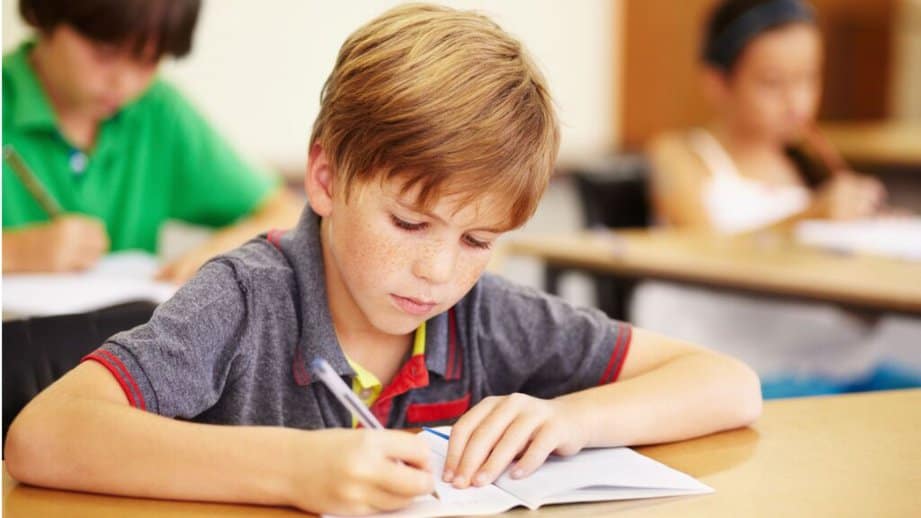
A few years ago, STEM was not even a thing. Now, the emphasis on STEM (Science, Technology, Engineering, and Math) education has transformed how schools prepare students for the future. With the growing demand for tech-savvy professionals, schools are prioritizing hands-on learning and problem-solving in these fields. From robotics clubs to coding classes, students now have more opportunities to explore STEM-related interests.
Flexible Grading Systems

Gone are the days of A, B, and C. Instead of relying solely on traditional letter grades, many schools now use tools like portfolio reviews, competency-based grading, or simple pass/fail options. This approach recognizes that students learn in different ways and at different paces, allowing for a more personalized evaluation of their skills. By adapting to individual needs, flexible grading helps create a more supportive and effective learning environment.