

14 Life Skills Parents Need to Teach Their Children

Parenting is a responsibility-filled journey that begins by developing children’s essential life skills, which serve as the foundation for independence, resilience, and success as they navigate through the challenges of growing into adulthood. Good parents not only teach their children these valuable skills but also nurture their emotional intelligence, guiding them to approach life with confidence, clarity, and a sense of purpose.
Effective Communication

Teaching kids to communicate what they are thinking clearly and respectfully is the cornerstone of personal and professional success. The first step is to encourage open dialogue at home, to get them to talk about their thoughts and emotions. Model attentive behavior when talking to them to help them develop active listening skills. Also, teach them about more nuanced topics, such as non-verbal communication like eye contact, tone of voice, and body language, which can significantly improve their interactions.
Emotional Regulation

Teach them to identify and label their feelings with words; is it anger, sadness, or excitement? They need to learn how to manage their emotions properly in that situation. Remind them to be calm, but teach them to practice techniques such as deep breathing or counting to ten when they forget to be calm. When you encourage emotional regulation, it assists them to respond appropriately rather than react without thinking. This will create a foundation for developing healthier relationships.
Critical Thinking
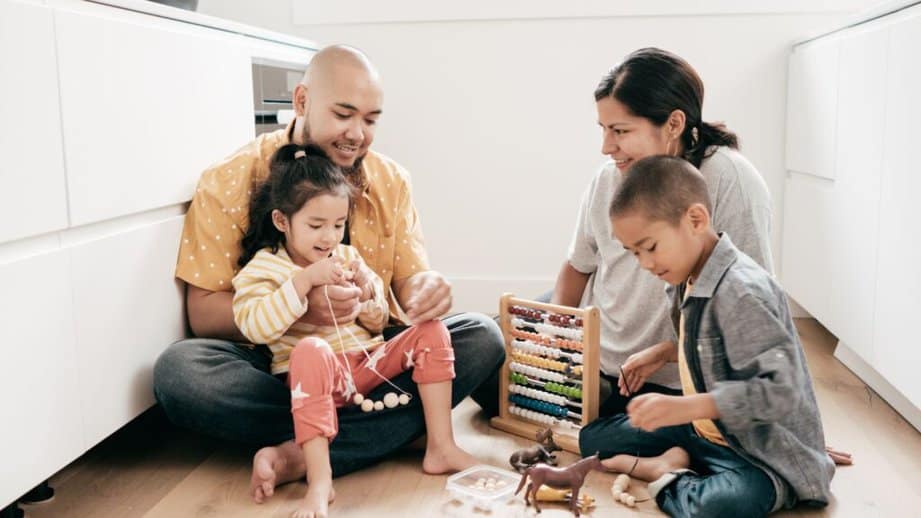
Critical thinking skills help children analyze scenarios and make the proper judgment. Problem-solving games and puzzles early on teach you to think logically. Challenge them to question and even solve the challenge with multiple solutions. Describe the benefits of weighing pros and cons before making decisions so they begin to recognize the results of their choices.
Financial Literacy

Understanding money management as you become independent is essential. Help children learn about the value of money by assigning age-appropriate chores and giving them a small allowance to learn how to manage money. Explain ways to save, spend, and budget. As they get older, you can explain concepts like banking, interest, and how to take on or avoid debt. These building blocks will be helpful to gain financial knowledge.
Time Management

Time management is a practical skill that helps keep you on track, boosts productivity, and decreases stress. Begin with simple daily routines and set priorities and deadlines. Once they get older, you can teach them to use planners or digital calendars to handle their schedules. Explain the importance of balancing obligations, leisure, and rest to set a healthy time management approach.
Conflict Resolution

Conflicts are unavoidable, but resolving them skillfully is absolutely one of the things we should teach our children. Explain why it is important to listen to other people’s opinions and how they can calmly share their own position during an argument. Teach them to find win-win solutions instead of striving to “win” the argument. This can be implemented by practicing role-playing scenarios at home and highlighting the significance of empathy and compromise.
Personal Hygiene
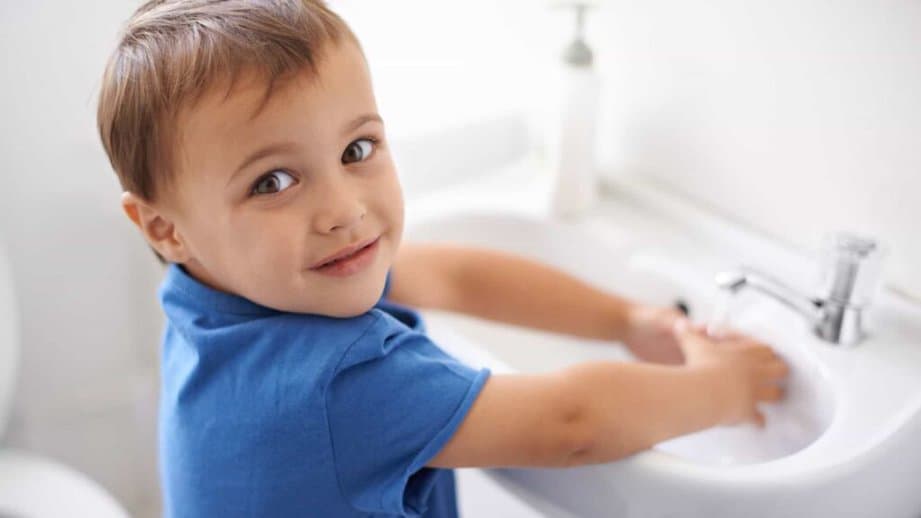
Good hygiene habits and solid knowledge of basic health practices are important tools to preserve a lifetime of wellness. Much like they help avoid disease, they help to have a healthier lifestyle, contributing to vitality and happiness. Teach children how to brush their teeth, wash their hands, and keep things clean around them. Educate them on healthy nutrition, moderate daily exercise, and the importance of quality sleep. This is the foundation of a balanced lifestyle. Ideally, by cultivating these early, you can ensure good health in the future.
Household Maintenance

Teaching kids basic skills around the home allows them to be more responsible and self-sufficient as adults. Focus on easier jobs like making their bed, folding the laundry, or washing the dishes. Teach them how to complete these skills and then gradually increase their level of independence. Introduce them to more complex chores — like cooking basic meals, fixing minor repairs, or even managing the household cleaning. These skill sets will help children build their confidence and prepare them for a self-sustaining life.
Cultural Awareness

In an ever-globalizing world, it is beneficial to understand and appreciate different cultures, languages, and cuisines. Urge them to discuss their beliefs and learn from the experiences of others to cultivate empathy and respect for diversity. Teaching cultural awareness encourages them to be more inclusive in their thinking and to assimilate in any environment they encounter.
First Aid

Knowing how to respond in an emergency can help save lives and give an understanding of how to respond in a crisis situation. Teach your child primary first aid skills such as how to clean a wound, how to bandage a wound, or how to do CPR if they are old enough. For instance, speak about emergency procedures, make a family safety plan, and show them how to dial for help. Practice drills to ensure they act like they should in a fire or natural disaster scenario.
Environmental Responsibility
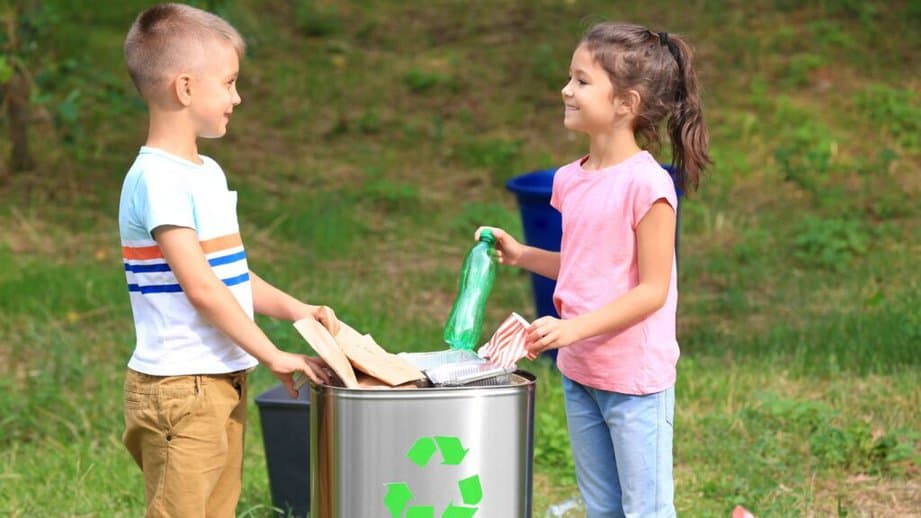
It is every generation’s responsibility to care and look after the environment. Teach your child about recycling, conserving water, and reducing trash through simple actions. Model these by doing them at home as well. Engage them in planting trees and composting or join them in local clean-up drives. By doing this, you create eco-conscious values that lead your children to become responsible stewards of the planet.
Digital Etiquette

Technology is involved daily, so digital etiquette and safety are non-negotiable. Promote your child’s responsible, respectful use of devices and teach them kindness and authenticity online. Talk about the dangers of oversharing information and the importance of privacy settings. Give them the tools to recognize cyberbullying and alert them about suspicious activities while exploring the digital world.
It’s not just academic knowledge but also crucial life skills that your child needs to acquire to become a successful adult. These skills are the building blocks that children will use throughout life to lead successful, fulfilling lives. Nurturing children’s communication, emotional intelligence, and practical skills will give them independence and confidence in the future. Teaching these lessons today is an investment of time that will pay dividends for them in the future.


