

16 Daily Things Introverts Hate Doing
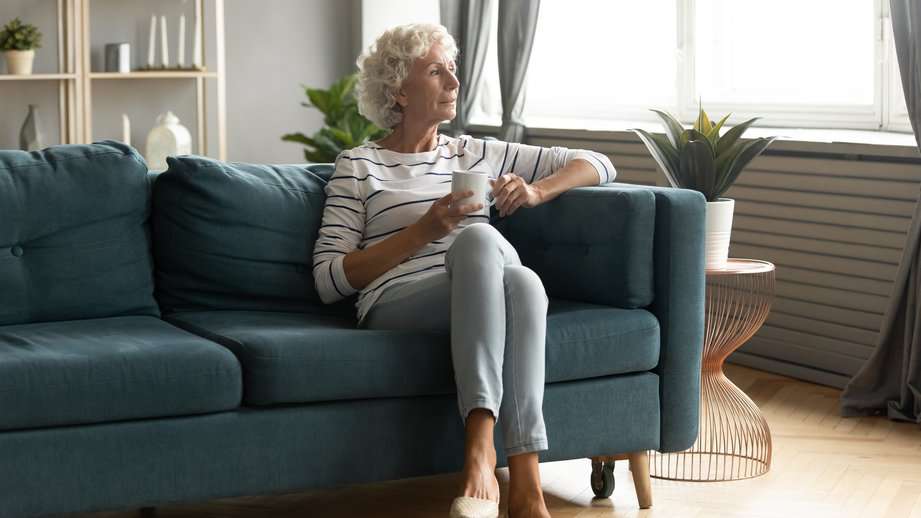
People often assume introverts just want to be alone 24/7, but that couldn’t be further from the truth. Introverts actually enjoy socializing, too; they just have their own unique rhythm for it. If you truly want to learn about introverts and understand your introverted friends a little bit better, you should take a look at these things that those personalities hate to do. Learning what makes introverts tick is key to nurturing relationships with them, and if you’re introverted yourself, it might even help you better understand your own needs, too.
Doing Small Talk

As an introvert, engaging in small talk can often be exhausting and mentally draining due to the need to expend energy in social situations. They prefer more meaningful conversations over superficial exchanges about the weather or other trivial matters. Instead of small talk, introverts enjoy discussing topics that interest them and allow for a more profound connection; casual chit-chat often wastes energy.
Being in Crowded Places

Large social gatherings can be pretty overwhelming for introverts due to the high level of social interaction, noise, and stimulation they entail. They may see such events as mentally and physically exhausting due to the constant need to interact with many people. Introverts usually prefer smaller, more intimate gatherings where they can connect with a few individuals on a deeper level; these environments allow them to feel more at ease and engaged.
Being the Focus of Attention

Introverted individuals usually feel uneasy and anxious when placed in situations where they are the center of attention or are expected to be the focus of a group. Public speaking, large presentations, or events in the spotlight can be highly uncomfortable; they usually prefer roles where they can contribute quietly and effectively without being in the limelight. When they are required to deliver a performance in front of an audience, the added pressure often causes an increase in their anxiety levels.
Constant Social Interactions

For introverts, the need to engage in frequent social interactions can be exhausting and overwhelming. Taking the time to be alone and reflect is crucial for individuals to recharge their energy and contemplate their thoughts and ideas. Without sufficient alone time, introverts may feel crushed and stressed, affecting their overall well-being; balancing social interactions with quiet time is crucial for their mental health.
Changing Plans on the Fly

Introverted individuals often find it more comfortable to have ample time to prepare mentally for social activities; they need this time to recharge and feel mentally ready to engage in social interactions. Impromptu plans or last-minute invitations can be stressful because they disrupt their routine and don’t require mental preparation. They appreciate having a planned schedule with ample downtime; sudden changes can make them feel unprepared and anxious.
Being in Loud Places

Introverts often find loud and chaotic environments overwhelming and mentally exhausting due to their heightened sensitivity to external stimuli and need for quiet, calm surroundings to recharge. Places like crowded bars, concerts, or bustling parties can overwhelm and drain their senses; the constant noise can interfere with their concentration and sense of peace. Introverts generally favour calm and tranquil environments where they can unwind and contemplate without distractions.
Working in a Group

Introverted individuals often struggle with group work due to the need for ongoing interaction and cooperation. They usually work better independently, where they can focus intensely without the distractions of group dynamics. Group settings can also be complicated for them to navigate due to the need for continual communication and compromise; the pressure to contribute to a group can hinder their productivity.
Doing Networking Events

Networking events are often designed for extroverted interactions, which can be uncomfortable for introverts. Navigating the expectation to socialize with unfamiliar individuals and participate in multiple discussions can feel overwhelming. Introverts prefer building more natural and less forced relationships, often one-on-one. They find deep connections more rewarding than broad acquaintanceships.
Opening Up to Others

Introverts often prefer to keep their personal lives private and are more inclined to be reserved in social situations. They may feel uncomfortable sharing personal details with acquaintances or in public forums; revealing too much about themselves can make them feel vulnerable. They value their privacy and prefer to open up only to those they trust and feel close to.
Getting Into Conflicts

Introverts usually avoid conflicts and confrontations; they may struggle to express their feelings in heated situations and prefer to resolve issues calmly and thoughtfully. Conflict can be particularly draining for introverts, who often seek peaceful and harmonious environments. In a more formal and polite tone, they prefer to engage in thoughtful and considerate discussions.
Joining Group Activities

Group activities, especially those that require active participation, like team sports or group discussions, can be daunting for introverts. They may feel out of place or uncomfortable in such settings, preferring solitary activities or small group interactions. In a large group setting, they find it challenging to express their viewpoints due to the presence of many other voices and opinions.
Public Speaking

Introverts typically prefer to think before they speak. Being put on the spot to answer questions or give opinions without preparation can be stressful and challenging. They feel more comfortable when they have time to communicate their ideas effectively; they need to arrange their thoughts logically and express them coherently. Spontaneous speaking can lead to feelings of insecurity and pressure.
Having Their Privacy Invaded
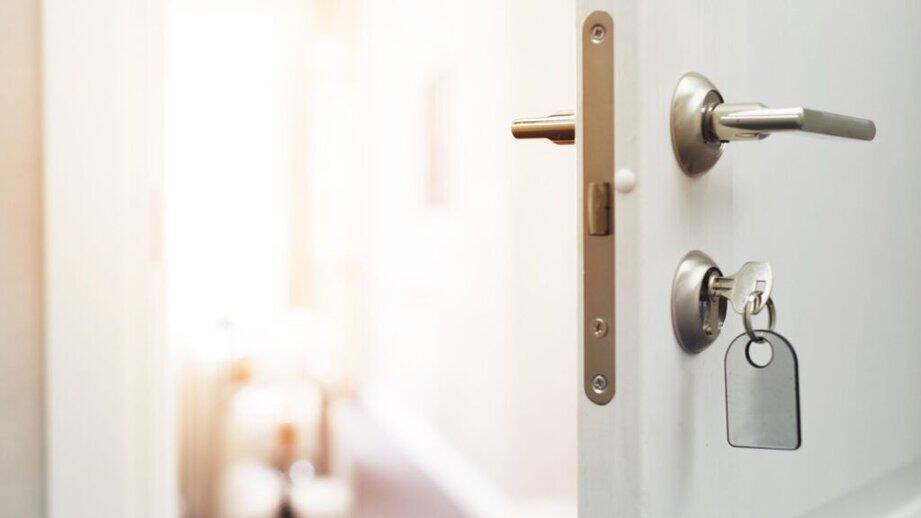
Leaving the door open means that everyone can come in at any time. While it may seem silly to some, introverts prefer closing their doors to get that real sense of privacy when living with housemates. So never, ever enter their room without knocking! Plus, once inside, close the door behind you when you leave. Introverts will be eternally grateful.
Multi-Tasking

Introverts often prefer to concentrate on a single task at a time. Multitasking can be quite tiring for them. For instance, they much prefer talking to a single person at the time instead of having heated debates in which dozens of people shout at each other to ensure everyone is listening to them. This is also the case for practical things. Introverts prefer to focus on a single task at a time instead of diverting their attention between hundreds of small tasks.
Be in Unfamiliar Places

Introverts don’t tend to like going to new, unfamiliar places. They often seek comfort as they recharge best in calm, familiar environments where they feel safe and at ease. Being in their own comfy house tucked under a cozy blanket with a nice cup of warm tea gives them a chance to unwind and process their thoughts and emotions. This need for comfort is a form of self-care, helping introverts restore balance and regain the energy needed for social interactions. They don’t want to be in an uncomfortable, unknown place where their anxiety will just go up and up.
Being Told They Are Shy

Getting hit with “Why are you so quiet?” is the ultimate introvert cringe moment. What’s the right response to that—“Because I have nothing to say” or “Because I’m secretly plotting my escape”? Introverts aren’t quiet because they’re bored or rude; they’re just observing, thinking, or waiting for the right moment to chime in. Trust us, when we do speak up, it’s worth the wait!
Understanding these preferences can help create more inclusive environments that respect and accommodate introverts’ needs. By recognizing what introverts generally prefer to avoid, we can foster better communication and relationships in personal and professional settings. Appreciating introverts’ unique strengths and needs contributes to a more balanced and harmonious society.


