

16 Surprising Statistics That Prove Gender Inequality is Very Real
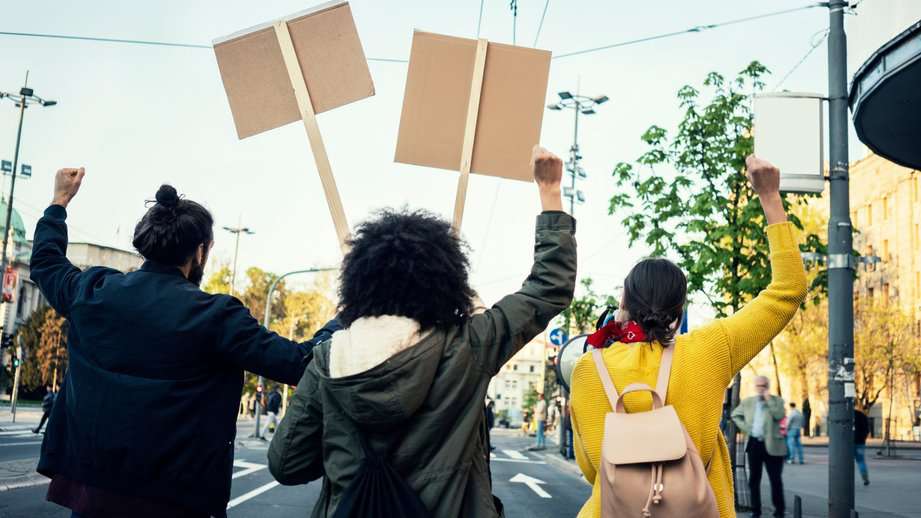
Despite the progress made toward gender equality, we’re still a long way from true balance. These surprising statistics reveal the persistent gaps and inequalities that continue to affect women worldwide. When we are able to understand and recognize the struggles that so many women still face, we can better identify the changes needed to create a fairer world. Think about these numbers and consider how you can be part of the movement to turn the vision of gender equality into reality. Change starts with awareness, and you can make a difference. Your journey can begin right now!
1 in every 10 women in the world are living in extreme poverty
UN Women states that the number of women and girls living in conflict-affected areas has doubled since 2017, which now stands at around 614 million. By 2030, climate change is expected to leave a further 235 million women and girls hungry, compared with 131 million men. On top of this, women living in these areas are 7.7 times more likely to live in extreme poverty.
Women earn 77 cents for every dollar earned by a man
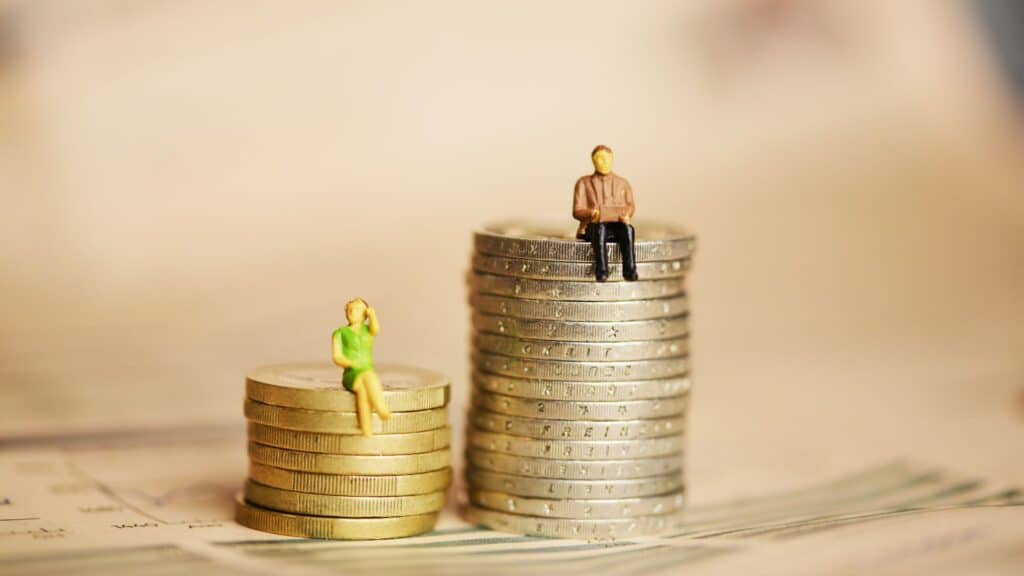
Research by UN Women found that there is an average 23-cent pay gap between men and women worldwide, across all industries. The gender pay gap is indeed a significant issue that highlights systemic inequalities in many societies worldwide. It’s essential to raise awareness and advocate for policies and practices that promote equal pay for equal work, regardless of gender.
Not one country has achieved gender equality
In fact, according to Global Citizen, 18 countries have seen a regression towards gender equality since the Global Goals were signed in 2015. This leaves us wondering whether we will ever be able to achieve true gender equality or if this is just a utopia. Despite our doubts, it’s important to keep working on this to increase our chances to create a more equal society.
12 million underage girls are forced into marriage each year
An analysis by Save The Children found that by 2025, a further 2.5 million young girls will be forced into marriage as a result of the COVID-19 pandemic. This statistic sheds light on the disproportionate impact of crises like pandemics on vulnerable populations, exacerbating existing inequalities and injustices. It underscores the urgent need for comprehensive support systems and interventions to protect the rights and well-being of young girls, ensuring they have the opportunity to thrive and fulfill their potential, free from harmful practices like child marriage.
40% of women are living in countries that restrict abortions
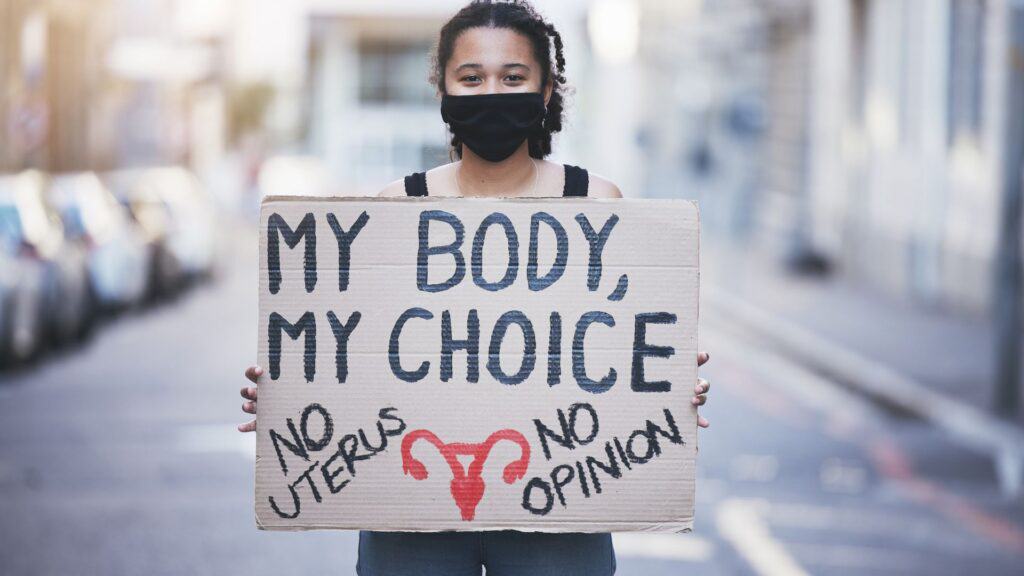
The World Health Organization estimates that around 39,000 women lose their lives every year as a result of unsafe abortions. It emphasizes the importance of promoting sexual and reproductive health rights for all individuals, ensuring access to comprehensive family planning services, and safe abortion care to prevent unnecessary maternal deaths and suffering.
Car safety features are designed for men
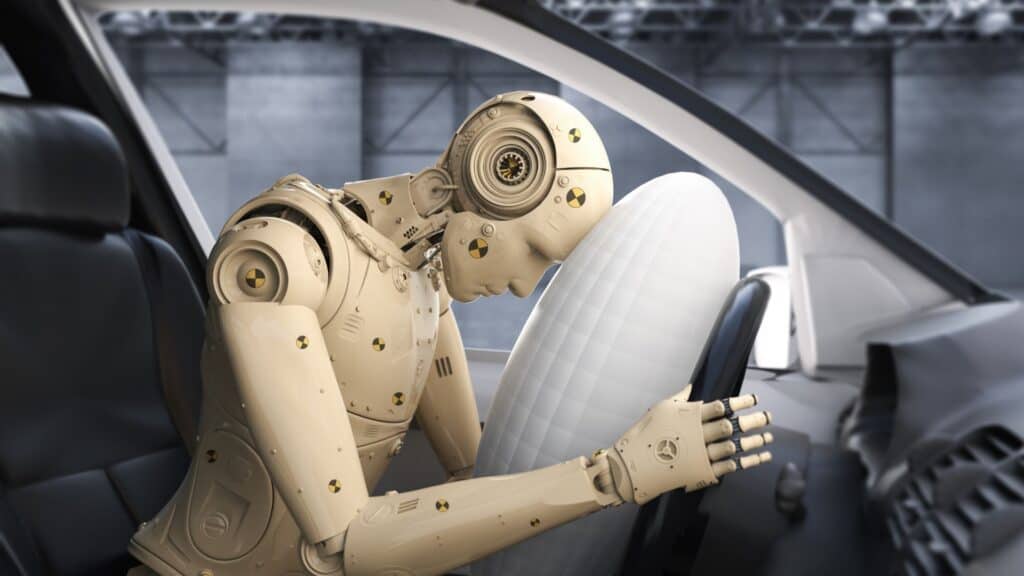
Euro News states that women are 73% more likely to suffer severe injuries as a result of a car wreck. This may be because car crash dummies used for test purposes are typically designed to replicate the body of the average male while female crash dummies are still incredibly rare. It’s 2024! It’s time to start designing cars that are not only safe for men but for women, too.
Only 6 countries give women and men equal legal work rights
According to the World Bank, women are faced with some form of job restriction in 86 countries. Additionally, 95 countries also do not offer equal pay when it comes to work. “While progress has been made, the gap between men’s and women’s expected lifetime earnings globally is US$172 trillion – nearly two times the world’s annual GDP,” said Mari Pangestu, World Bank Managing Director of Development Policy and Partnerships.
The U.S. offers no federal paid maternity leave
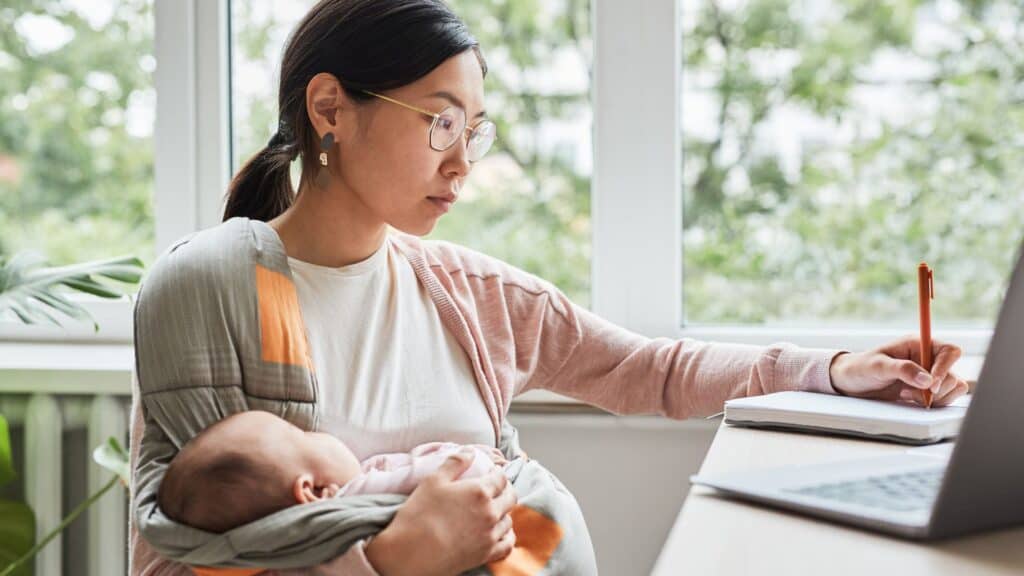
Healthline states that this is left to each individual state to figure out, meaning that a woman may have to consider going back to work straight after giving birth. 25 percent of women are forced to return to work within two weeks of giving birth to support their families. This reality not only jeopardizes the health and well-being of new mothers but also undermines their ability to bond with their newborns and recover properly from childbirth. It highlights the urgent need for policies that guarantee adequate maternity leave and support for working mothers.
Women work more low-paying jobs

Timewise states that jobs traditionally done by women, e.g., more nurturing and caring jobs, are lower paid because the skills required are undervalued. No wonder there persists a significant gender pay gap across various industries. This undervaluation not only perpetuates economic inequality but also undermines the recognition of essential contributions made by women in the workforce.
COVID-19 heavily impacted gender inequality
Economic and social inequalities have deepened since the global pandemic. This includes the increase in unpaid care and domestic work for women and girls. On top of this, gender-based violence has also increased in our households, which has a terrible toll on women’s mental health all over the world. Despite the worrying statistics, not enough is being done to fix this situation.
773 million people in the world can’t read – 2/3 of which are women
In some countries, there is less emphasis on teaching young girls how to read. This lack of emphasis perpetuates cycles of inequality, limiting their opportunities for personal and professional advancement. By prioritizing education for all children, regardless of gender, societies can empower girls to reach their full potential and contribute meaningfully to their communities and economies.
Almost 30% of women globally have experienced abuse in a relationship
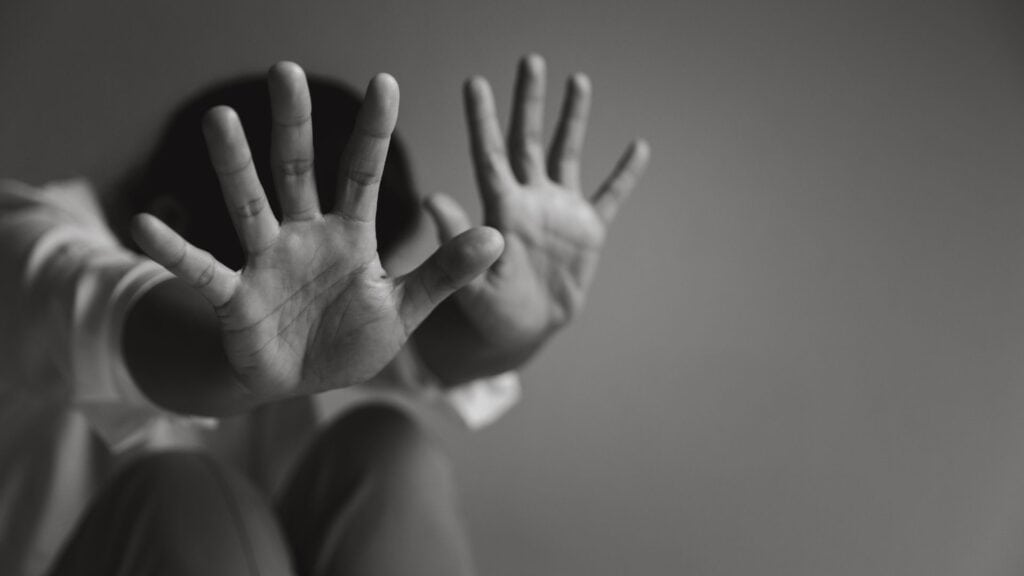
According to World Health Organization, 1 in 3 women worldwide have suffered violence, whether it be sexual or physical, at the hands of an intimate partner or a non-intimate partner. This can negatively affect a woman’s health, for instance, increasing the chances of acquiring HIV in some settings or causing psychological trauma that may take years to heal.
Safety Concerns
Women also have to worry about things men rarely think about. From going home alone at night to hitchhiking in foreign countries, women often are at a higher risk of ending up in dangerous situations. This, unfortunately, has led many women to avoid traveling to certain countries or going out at night if they are not certain that someone will walk home with them.
Difficulties Getting Hired

Women also have a harder time being hired as they may be asked inappropriate questions during their job interview. While men are never asked whether they intend to have kids soon, this question is not so uncommon when interviewing women. Companies tend to avoid hiring women planning to get pregnant as they may leave their jobs for a few months to take care of their babies.
Too Many Women Die Giving Birth
It’s 2024, yet so many women keep dying while giving birth. In 2020, 800 women died every day from preventable causes related to either pregnancy or childbirth. This means that a woman lost her life roughly every two minutes. The vast majority of these deaths took place in low and lower-middle-income countries where medical facilities are unfortunately not very advanced.
Lacking Basic Access to Clean Water

It is unbelievable that so many women still struggle for access to clean water. However, statistics from 2022 show that 1 in 10 adolescent girls, or 55 million girls, still did not have access to clean water. This issue is especially prevalent in Africa and South Asia, where about 37% of women between the age of 10-19 do not have reliable access to clean drinking water. On top of that, women are typically the ones in charge of attaining water for the family, spending hours every day traveling to find drinking water. While there have been improvements over the years to help improve the availability of clean water, there is still a long way to go to get women and girls this essential thing.


