16 Ways to Make Your Home More Comfortable in Your 60s

As we age, our bodies and minds go through changes, and some things that once brought joy and comfort might now cause frustration or even pain. This is especially true in your home, where certain design choices may no longer suit your needs. What looked sleek and modern before might now make daily life a little harder and even dangerous. If you’re over 60, it’s time to rethink these common home design mistakes that could cause you harm or simply cease to be necessary. A few simple changes to your home can really transform your space into the cozy, safe haven you deserve.
Skipping Non-Slip Flooring
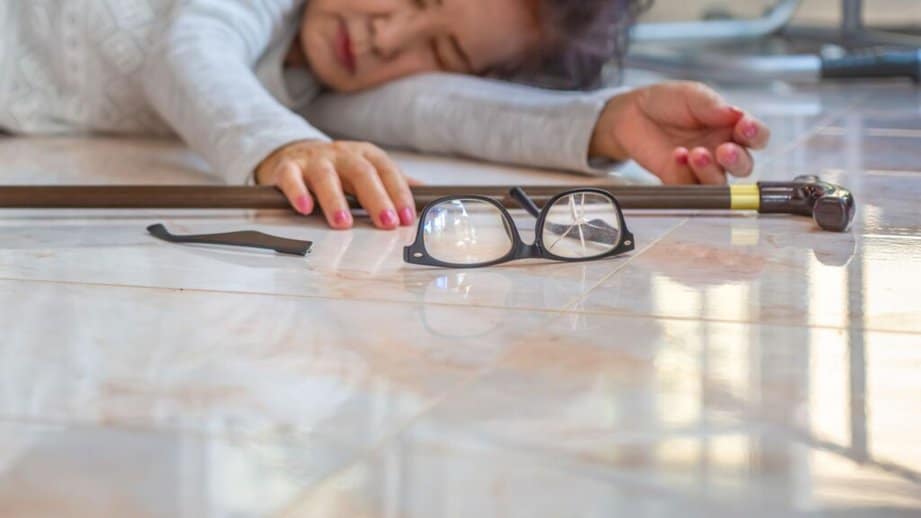
Slippery floors are a significant hazard as you age, elevating the perils of falls and injuries. Opting for non-slip flooring materials like textured vinyl, rubber, or non-slip tiles can significantly enhance safety. Carpets with low piles can also provide better traction and reduce tripping hazards. It’s essential to avoid polished surfaces that can become slick when wet. Prioritizing non-slip flooring ensures a safer and more comfortable home environment.
Ignoring Proper Lighting

Insufficient lighting can result in eye strain and make moving inside your home difficult. As vision diminishes with age, it’s crucial to have ample, well-distributed lighting throughout your home. Consider adding more light fixtures, using brighter bulbs, and incorporating task lighting in areas like the kitchen and bathroom. Motion-sensor lights can also be beneficial in hallways and staircases. Good lighting improves visibility and enhances your overall comfort.
Overlooking Bathroom Safety
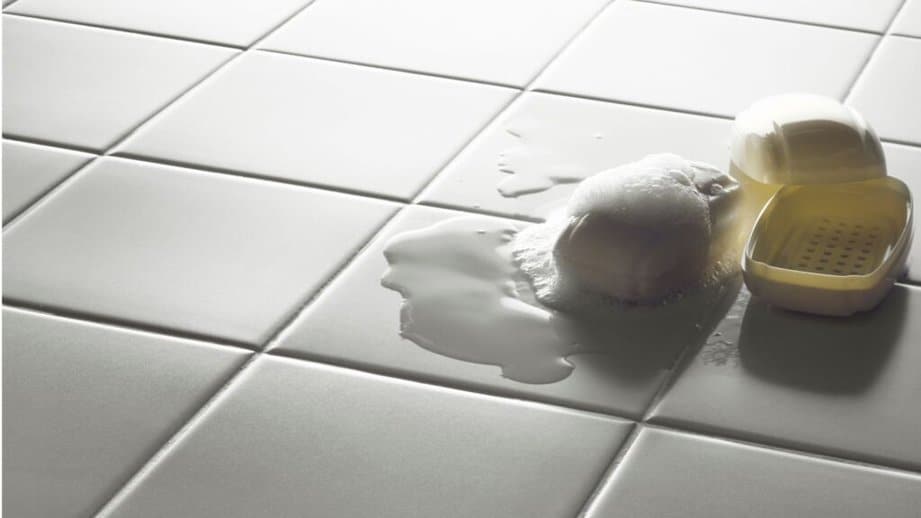
Bathrooms can be risky due to wet surfaces and the need to maneuver in small spaces. Installing grab bars, non-slip mats, and a walk-in shower can reduce the risk of falls. Consider raising the toilet seat height for easier use and ensuring all surfaces are easy to clean. These modifications can make your bathroom a safer and more comfortable space. Prioritizing bathroom safety is essential for maintaining independence and peace of mind.
Choosing Hard-to-Use Fixtures

Fixtures such as faucets, door handles, and cabinet knobs should be easy to use, especially if you have arthritis or limited hand strength. Lever-style handles and touch-activated faucets are more user-friendly compared to traditional round knobs. Ensuring these fixtures are accessible can prevent frustration and make daily tasks more manageable. Small changes can have a considerable effect on your overall comfort. Opting for ergonomic designs enhances ease of use and empowers you to navigate your home quickly.
Neglecting Accessible Storage
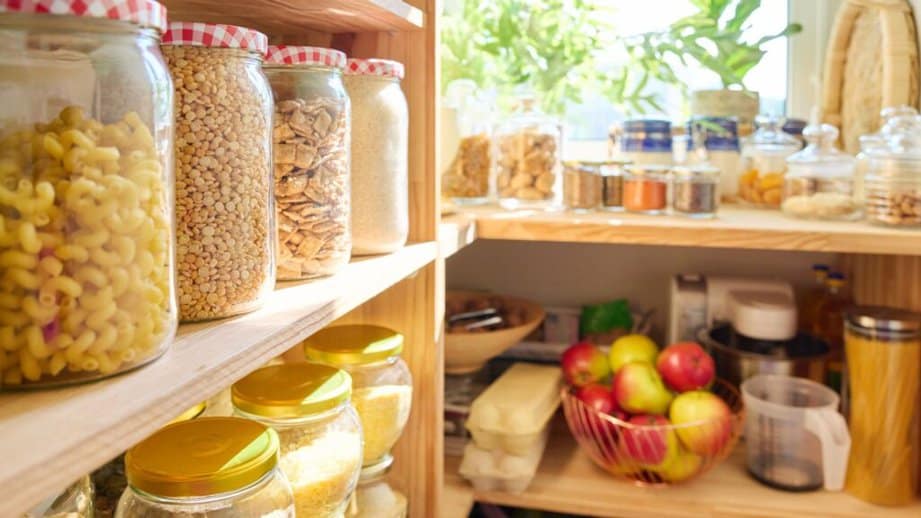
Storage that is difficult to reach can be both inconvenient and dangerous. Installing pull-out shelves, lazy Susans, and cabinets with easy-access hardware can make a world of difference. Consider placing regularly used items at waist height to avoid excessive bending or stretching. Accessible storage solutions help maintain organization without physical strain. It’s about creating a home that works for you and not against you.
Using High-Maintenance Materials

High-maintenance materials like marble countertops or hardwood floors can require significant upkeep, which can become burdensome. Opting for low-maintenance materials such as quartz countertops, laminate flooring, or vinyl can save time and effort. These materials are heavy-duty and hassle-free to clean, making your home more comfortable and manageable. Choosing practical materials helps reduce daily stress. Simplifying home care allows you to focus on enjoying your space.
Ignoring Proper Ventilation
Good ventilation is imperative for maintaining indoor air quality and comfort. Poor ventilation can lead to mold growth, increased allergens, and general discomfort. Ensure your home has adequate ventilation by using exhaust fans and air purifiers and regularly opening windows to circulate fresh air. Proper ventilation can improve your health and overall well-being. Ensure only fresh, clean air, critical to a comfortable living environment, can come in.
Overloading on Clutter

Clutter can create tripping hazards and increase stress levels. Keeping your home tidy and organized can enhance comfort and safety. On a regular basis, declutter and donate items you no longer need, and use organizational tools like shelves, bins, and labels. A clutter-free home feels more spacious and serene. Simplifying your space promotes peace of mind and physical safety.
Ignoring Outdoor Safety
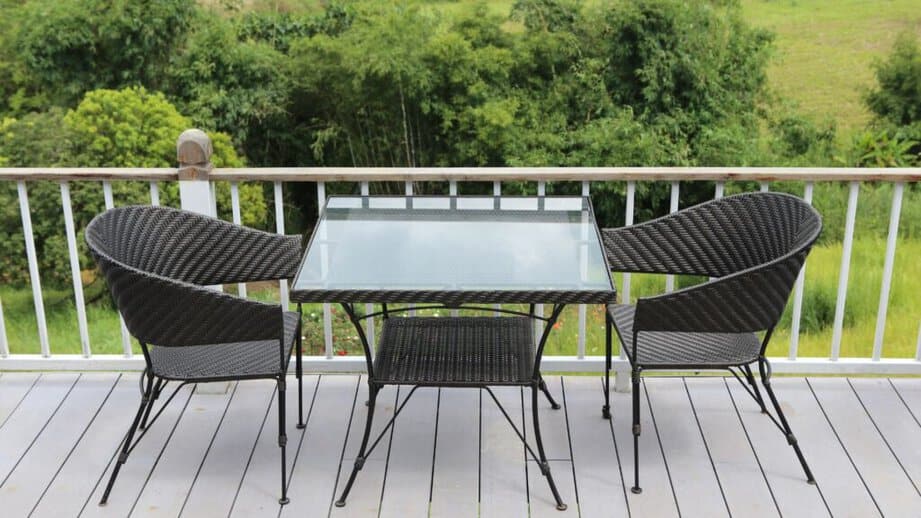
Outdoor areas should be just as safe and comfortable as indoor spaces. Ensure walkways are well-lit and free of obstacles. Installing railings on stairs and ramps can provide additional support. Non-slip surfaces for patios and decks are also essential to prevent falls. A safe and inviting outdoor area encourages more activity and enjoyment. Prioritizing outdoor safety improves your overall living experience and provides a sense of security.
Skimping on Comfortable Seating

Uncomfortable seating can cause neck or back pain and general discomfort. In old age, these can be troubling. Invest mainly in chairs and sofas that support your back and hips. Look for furniture with firm cushions and ergonomic designs. Having a comfortable place to sit can significantly improve your quality of life. It’s about creating a space where you can relax and feel supported.
Not Installing Smart Home Devices

Smart home devices can enhance comfort, convenience, and safety. Consider installing smart thermostats, lighting systems, and security cameras. These devices can be moved with the help of a remote, making it easier to manage your home environment. Voice-activated assistants can also help with daily tasks and provide reminders. Embracing technology can simplify your life and increase comfort.
Overlooking Color Choices
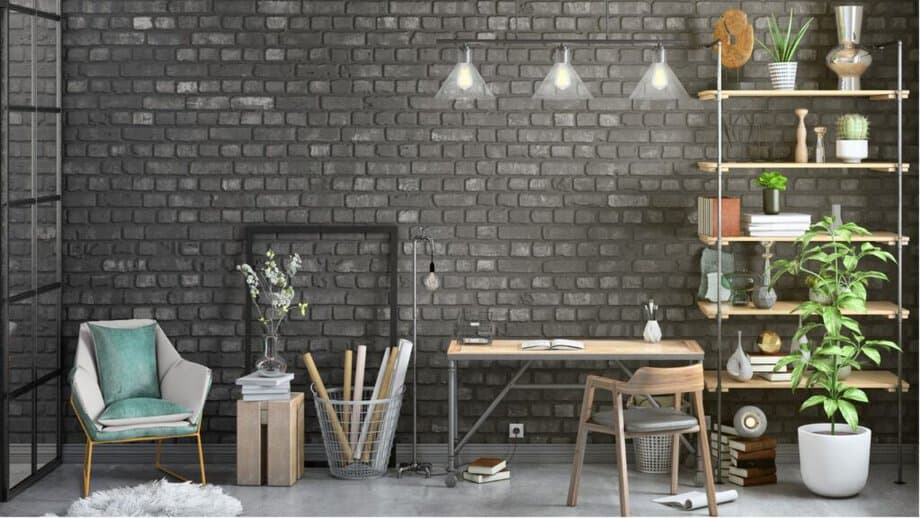
The colors you choose for your home can impact your mood and comfort. Bright, glaring colors might be stimulating but can also be overwhelming. Soft, neutral tones help curate a calm and soothing ambiance. Consider how different colors make you feel and choose accordingly. Creating a relaxing environment through color can enhance your overall well-being.
Buying a Cheap Mattress

While you may have been able to sleep on any hard surface in your youth, your older body needs a little bit more comfort and support to rest. Having a cheap mattress or an old, worn mattress is sure to cause discomfort and possibly even pain. Invest in a high-quality mattress that gives you the support and comfort you deserve. It will make a huge difference in the quality of your sleep and help keep you feeling healthy and strong!
Avoiding Cleaning Technology

From robot vacuums and lawnmowers to self-cleaning toilets, there are plenty of ways that technology will make caring for your home a lot easier. Once you reach the age of 60, you probably don’t want to waste your time vacuuming or doing dishes everyday. Invest in technology that will help you maintain your home and require less physical activity on your part. A robotic vacuum and mop is a great place to start!
Skipping the Railings

While a stairwell without a railing may look modern and sleek, it can be a very dangerous design. You need railing by stairwells to give you something to hold on to if you are feeling unsteady. A fall on the stairs can lead to serious injury for those over 60 and even those who are younger. While you may like the look of a stairwell without a railing, this is an absolute must when it comes to having a safe home.
Consider Bedroom Location

Do you have to walk upstairs to go to bed? You may want to consider moving your bedroom downstairs. Stairs can be tricky, especially as you get older. Even if you are fully capable of going up and down the stairs now, you may not want to in the near future. Having your bedroom on the first floor makes it easier to access and gaurentees that you don’t have to navigate potentially dangerous stairs.
When you are over 60 years old, the only thing you need is a comfortable and safe living environment. The above points will help you learn from the typical home design mistakes hampering your life. By making small changes, you can make a huge difference in your day-to-day safety and comfort. Let the adjustments mentioned in this blog post sync well. It will help you ensure that your home is a haven you wish to live in until your time on Earth.