

16 Common Home Renovation Mistakes That You Will Regret
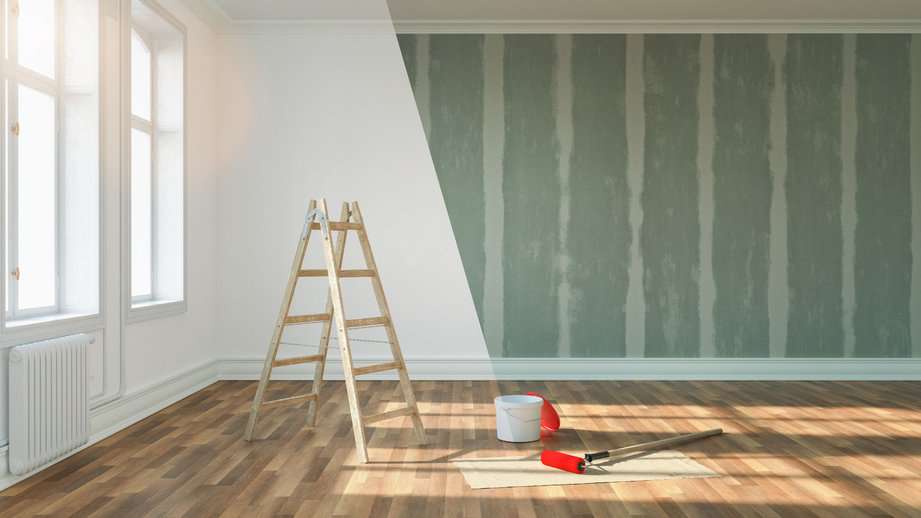
Renovating your home is one of the most exciting adventures of adulthood. You finally get the chance to create a space that’s uniquely yours! From big decisions to the smallest details, you get to turn your vision into a reality. But to make it truly worthwhile, you’ll want to avoid choices that could hurt your home’s value. Make sure you know all of these common renovation mistakes that can potentially turn your dream project into a nightmare. Learn from others’ missteps and make your renovation a total win!
Skip Planning

Proper planning is essential for any renovation project; skipping this step can lead to unexpected delays and additional costs. Before starting, outline your goals, budget, and timeline to ensure everything is in place. Failing to plan can result in running out of materials or discovering that certain elements don’t fit together as intended. It’s essential to create a detailed plan that includes all aspects of the renovation, from design and materials to labor and permits.
Budget Underestimation
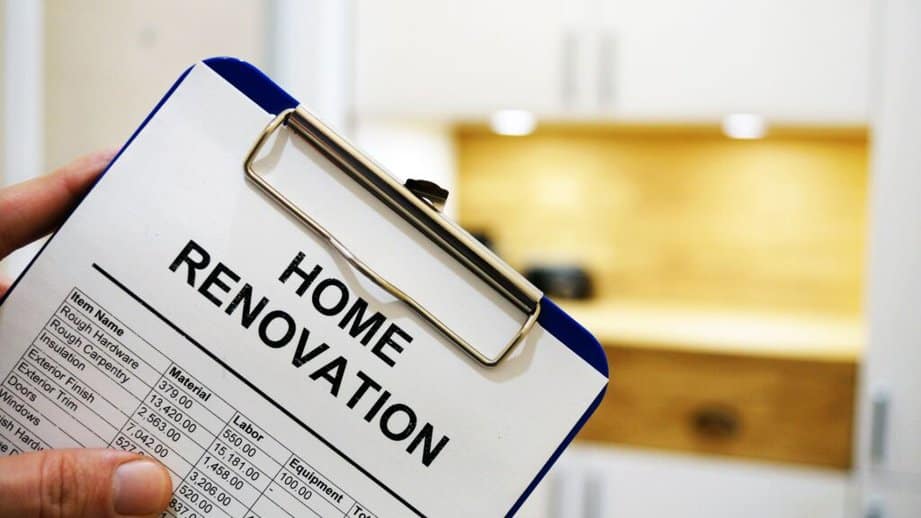
One of the most common mistakes in home renovation is underestimating the budget; unexpected expenses can quickly add up, causing financial strain and project delays. Setting a realistic budget and including a contingency fund for unforeseen costs is crucial. Research the costs of materials, labor, and permits thoroughly before starting. A detailed budget plan can prevent financial surprises and ensure you can complete the renovation without compromising quality.
Wrong Contractor
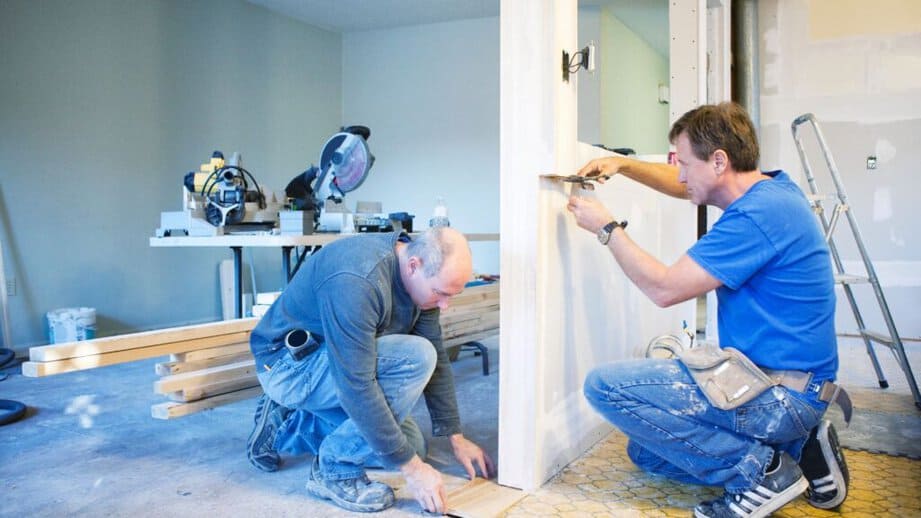
Selecting the appropriate contractor is crucial as it can significantly impact the result of your renovation project; hiring an inexperienced or unreliable contractor can lead to poor artistry, delays, and increased costs. Always do your due diligence by checking references, reading reviews, and verifying credentials before hiring a contractor. A reputed contractor will have a proven track record and provide clear communication throughout the project. Feel free to request a comprehensive quote without hesitation and contract to avoid misunderstandings.
Ignoring Permits

Ignoring local building regulations and codes can result in hefty fines and legal issues. Acquiring the required permits and adhering to local building codes is essential to avoid complications later. Speak with your contractor and contact your local authorities to ensure all permits are in place before beginning the renovation. This step ensures compliance and guarantees the work is safe and up to standard.
Cheap Material
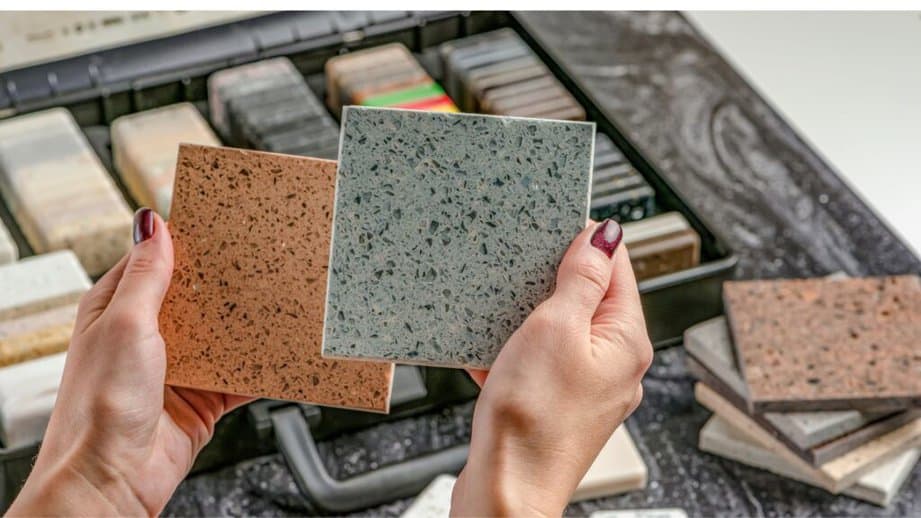
Opting for cheap materials can seem like an excellent way to save money, but it often leads to higher costs in the long run. Low-quality materials can wear out quickly, requiring frequent repairs or replacements. Investing in high-quality materials ensures durability and longevity. Spending a little more upfront is better to avoid the nuisance and expense of replacing inferior materials later.
Small Details

Carefully attending to small details can significantly impact the overall appearance and usability of your renovation. Overlooking these details can result in a less polished final product; pay attention to trim, fixtures, and finishes to ensure a cohesive and high-quality result. Adding small, thoughtful details can enhance your home’s overall look and feel, making it more visually appealing and potentially increasing its value.
Energy Neglect

Neglecting energy efficiency during a renovation can lead to increased utility bills and a less eco-friendly home. By integrating energy-efficient solutions, you can reduce costs and diminish your impact on the environment. Consider installing energy-efficient windows, insulation, and appliances; these upgrades can provide long-term savings and make your home more comfortable.
Improper DIY

While DIY projects can save money, taking on tasks exceeding your skill level can lead to expensive mistakes and potential safety hazards. It’s essential to know your limits and hire professionals for complex tasks. While most homeowners can handle simple projects like painting or minor repairs, electrical work, plumbing, and structural changes should be left to the experts. It ensures the job is done correctly and safely.
Resale Blindness
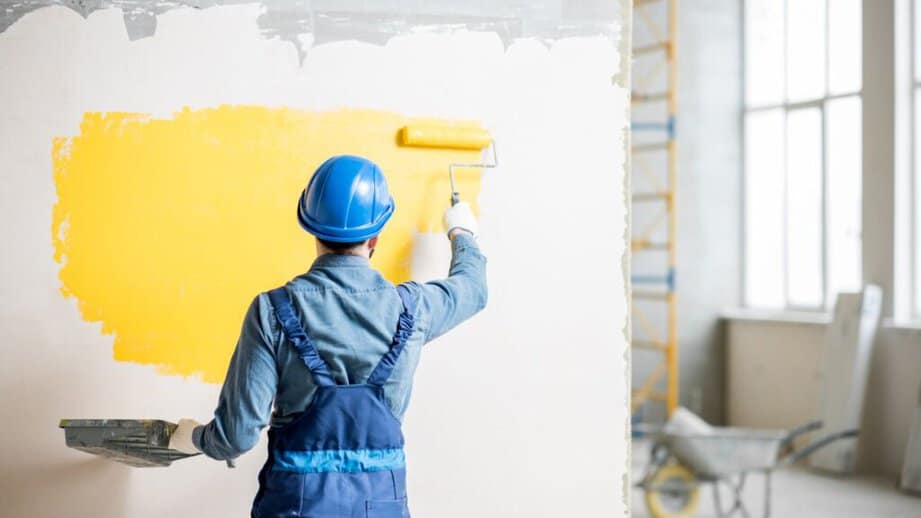
Focusing solely on your personal preferences without considering resale value can be a mistake if you plan to sell your home in the future. Balancing personal preferences for your space with design elements that are broadly appealing to potential buyers is crucial when preparing your home for sale. Neutral colors, functional layouts, and modern amenities can increase your home’s appeal and market value. Avoid overly customized features that may deter future buyers.
Poor Communication

Lack of communication with your contractor and team can lead to misunderstandings, delays, and mistakes. Maintaining clear and consistent communication throughout the renovation project ensures its success. Regular meetings and updates can keep everyone on board and address any issues promptly. Make sure all expectations and changes are documented to avoid confusion.
Safety Neglect

Safety should always be a top priority during a renovation. Disregarding safety protocols and failing to follow safety guidelines can increase the risk of accidents and injuries, delay your project, and increase costs. Ensure your contractor follows all safety protocols and that your home has safety features like smoke detectors and fire extinguishers. Proper ventilation and clean workspaces can also prevent health hazards.
Rush Jobs
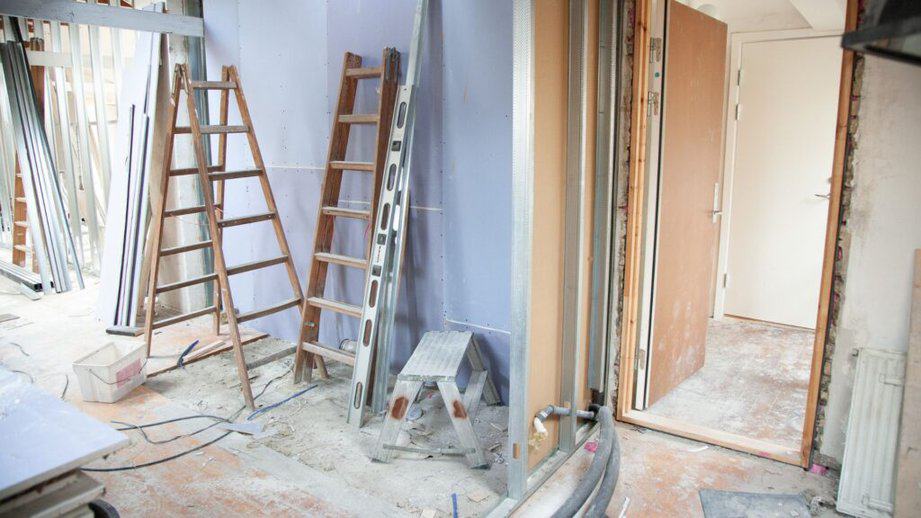
Renovations take time; rushing the process can lead to mistakes and subpar results; hastening the process can result in errors and unsatisfactory outcomes. Taking the time to complete renovations properly will ultimately lead to better results; set realistic timelines and be prepared for delays. Quality work requires careful attention to detail, so avoid cutting corners to meet deadlines.
Wrong Measures

When buying new furniture, you must ensure that you take the correct measurements of your room; otherwise, you will have a massive problem. Imagine paying thousands of dollars on a custom-made cabinet and then realizing it doesn’t fit in your kitchen. Our suggestion? Ask one of your friends or partner to also take the measures and compare yours to theirs.
Practicality Underestimation

While design is crucial to ensure you renovate your house to fit your tastes, don’t forget practicality. There is no point in buying a round table if it only fits four people and there are six in your family. A double bed may look nice in your daughter’s room, but is it necessary? She probably won’t need one for years, so why not opt for a single bed to save some space and money?
Too Many Trends

You may want to renovate your home to look extremely modern and on-trend. Just remember that trends quickly change, and you don’t want to be stuck in an outdated house that you cannot change. While you can definitely incorporate trends into your renovation, make sure they are ones you truly enjoy and also ones that you can easily change. An overhead light can be quickly swapped out when trends change, but replacing that stained wooden floor may be much harder. Be smart about what trends you include and which you skip.
Ignoring Storage Space

Forgetting to plan for storage space can turn your dream home into a cluttered mess faster than you can say, “Where do I put this?” Sure, those sleek open shelves look amazing on Pinterest, but where are you going to hide all your random stuff? Without enough storage, even the most beautiful renovation can feel chaotic and unorganized. Try to plan for hidden nooks, clever closets, or extra cabinets so your home stays tidy and stylish.
Home renovation can be a fulfilling endeavor when approached with careful planning and consideration. By steering clear of these common mistakes, you can ensure a smoother, more successful renovation process that results in a beautiful, functional, and valuable home. Remember, thorough planning, quality materials, and professional help are crucial to achieving the best results.


