

16 Health Issues Women Often Forget About Until It’s Too Late
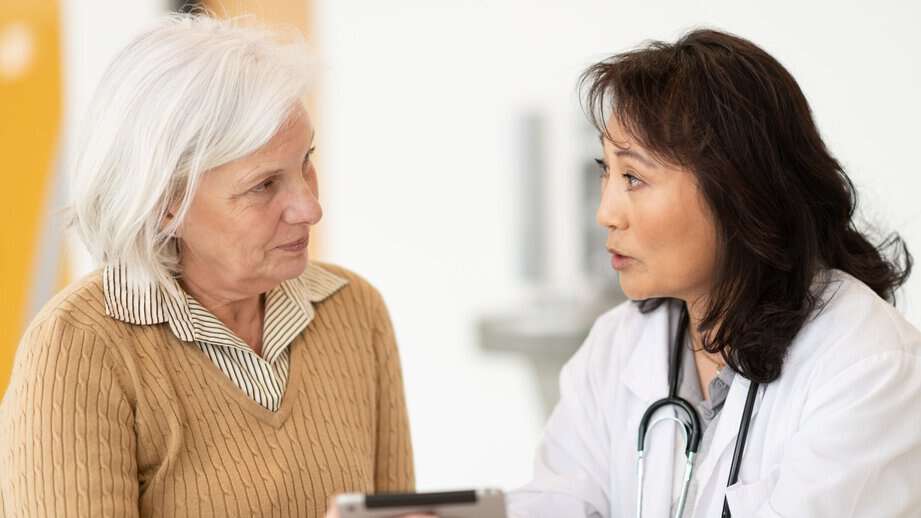
When was the last time you visited your doctor for a routine check-up? No matter how old we are, it’s crucial to prioritize our health as we age. While eating well, staying active, and nurturing our mental well-being are essential habits, it’s important to remember that some health issues can arise regardless of these practices. That’s why every woman should see a healthcare professional at least once a year to stay on top of her health. Here are some common health risks that women often overlook. Look out for them now and then continue to talk to your doctor about any other issues you may be wondering about.
Note: The content of this article is for informational purposes only and is not a substitute for professional advice. Always consult with a qualified professional for advice tailored to your individual circumstances.
Silent Heart Disease

Heart disease is often considered a male problem, but it’s a leading cause of death among women, too. Unlike men, women may experience subtler symptoms like fatigue, shortness of breath, and jaw pain instead of the classic chest pain. This can result in impeded diagnosis and treatment. Regular check-ups and awareness of these symptoms are crucial. Don’t ignore unusual fatigue or discomfort; it could be your heart’s way of signaling distress.
Osteoporosis

Many women believe osteoporosis is only a concern for older people, but it can start developing much earlier. Genetics, diet, and lifestyle can contribute to early bone density loss. Women with risk factors should consider bone density tests even before menopause. Adequate calcium intake and weight-bearing exercises are essential preventive measures. Early detection can help manage and slow down the progression of osteoporosis.
Polycystic Ovary Syndrome (PCOS)

PCOS is a prevalent endocrine disorder that can result in different types of health issues, including infertility, diabetes, and heart disease. Symptoms like irregular periods, weight gain, and acne are often overlooked or misattributed. Early diagnosis and management are crucial to mitigating long-term health impacts. Regular consultations with a gynecologist can help in managing PCOS effectively. Awareness and proactive health checks can make a significant difference.
Thyroid Disorders

Thyroid disorders, such as hypothyroidism and hyperthyroidism, can present with subtle symptoms like weight changes, mood swings, and fatigue. These symptoms are often mistaken for stress or aging. Regular thyroid function tests are essential, especially if you have a family history of thyroid issues. Early detection can prevent serious complications. Don’t dismiss persistent fatigue or unexplained weight changes; they might be signs of thyroid issues.
Autoimmune Diseases

Women are more likely than men to develop autoimmune diseases, where the immune system ambushes the body’s own tissues. Conditions like rheumatoid arthritis, lupus, and multiple sclerosis often have overlapping and vague symptoms, making diagnosis challenging. Awareness and early consultation with a rheumatologist can help in managing these diseases. Persistent symptoms like joint pain, fatigue, and unexplained fevers should not be ignored.
Mental Health Issues Post-Childbirth

Postpartum depression is widely recognized, but other mental health issues post-childbirth, such as anxiety and obsessive-compulsive disorder, often go unnoticed. These conditions can drastically affect a woman’s quality of life and potential to care for her newborn. Asking for mental health support and counseling can be vital. Don’t hesitate to discuss your mental health with your healthcare provider post-childbirth.
Chronic Urinary Tract Infections (UTIs)

Recurring UTIs are often dismissed as minor annoyances, but they can signal underlying health issues such as kidney problems or diabetes. Frequent infections can also lead to antibiotic resistance. If you experience recurrent UTIs, it’s essential to seek medical advice. Proper diagnosis and treatment can prevent complications. Maintaining good hydration and hygiene can help reduce the risk of UTIs.
Sleep Disorders

Sleep disorders, comprising insomnia and sleep apnea, are often underdiagnosed in women. Chronic sleeplessness can result in serious health problems like hypertension, obesity, and depression. If you struggle with sleep, it’s essential to seek medical advice. Sleep studies can diagnose underlying disorders that might require treatment. Sleep health is crucial for overall well-being.
Perimenopausal Symptoms

Perimenopause can bring about a host of symptoms, such as mood swings, memory problems, and joint pains, which are often mistaken for other health issues. Understanding that these symptoms are related to hormonal changes can help manage them better. Discuss the symptoms and potential treatments with a healthcare provider. Hormonal therapies or lifestyle changes can provide relief.
Digestive Disorders

Conditions encompassing irritable bowel syndrome (IBS) and celiac disease can have subtle and overlapping symptoms, including changes in bowel habits, abdominal pain, and bloating. These are often dismissed as diet-related issues. Persistent digestive problems warrant a thorough medical evaluation. Proper diagnosis can lead to effective management plans.
Chronic Fatigue Syndrome (CFS)

Chronic Fatigue Syndrome is a complicated problem characterized by extreme fatigue that doesn’t improve with rest and worsens with physical or mental activity. The exact cause is unknown, making it challenging to diagnose and treat. Symptoms often include headaches, joint pain, and memory issues. Women are more likely to develop CFS, and it can severely impact daily life. If you experience persistent fatigue that interferes with your routine, consult a healthcare provider for a thorough evaluation.
Interstitial Cystitis

Interstitial Cystitis (IC), popularly called painful bladder syndrome, is a severe condition causing bladder pressure, bladder pain, and sometimes pelvic pain. Symptoms can be mistaken for recurrent UTIs, but IC does not respond to antibiotics. It can have a drastic impact on the overall quality of life, leading to frequent urination and chronic pain. Diagnosis often involves ruling out other conditions, making it a complex process.
Breast Cancer

Breast cancer is the second most common type of cancer – right after skin cancer – in women living in the USA. The positive side is that the number of people dying because of this is steadily decreasing. This is because doctors can now diagnose patients early on and have plenty of time to act. So, when was the last time you got a check?
STDs

Most people end up dealing with one or more STDs throughout their lives. This is why we should all get a check at least once a year, especially if you have more than one partner. This will give you that much-needed peace of mind we all crave while ensuring you won’t spread any STDs to your partners. Remember that some diseases are not associated with visible symptoms, so regular checks are essential for your reproductive health.
Depression

While in recent years, depression has become a central topic for women’s health, still plenty of us tend to ignore its signs. Feeling hopeless or helpless, constant low mood or intense sadness, and lack of motivation and interest are all signs that you may be dealing with this mental disorder. Contacting an expert is crucial to ensure you start an effective healing journey.
Vertigo
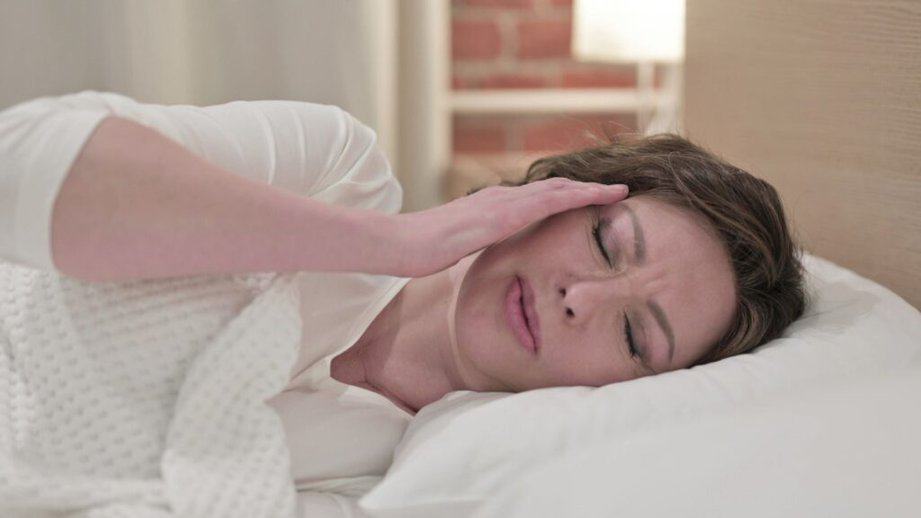
Vertigo is a sensation of spinning or dizziness that can significantly impact daily life, especially for those over 60. As people age, the inner ear structures that help maintain balance may undergo changes, making them more susceptible to episodes of vertigo. This condition can lead to difficulties with mobility, increasing the risk of falls and injuries. Understanding vertigo and its effects is essential for older adults to seek appropriate treatment and maintain their independence.
When you are fully aware of these often-overlooked health risks, it can help you as a woman to take proactive measures to lead a healthy life. We suggest you go for regular check-ups, stay informed, and seek medical advice whenever any of the symptoms enumerated in this blog post arise. Addressing these risks at an early stage can help you as a woman lead a higher quality of life without any fear of potential hazards at a later stage.


