

16 Lies About The Elderly You Need to Stop Believing
There are a lot of misconceptions about the elderly that need to be stopped. For example, look at these 15 stereotypes about older people that many of us believe to be true. They are all myths! Breaking these myths and exposing them as false truths is our goal today. Hopefully, in doing so, it will lead to a deeper understanding of the elderly and give them the respect and care the deserve. The change starts now!
Older People Are Out of Touch with Technology

There’s a common belief that older adults don’t understand technology, but that’s not the case. Many seniors are not only keeping up with technology but also mastering it. Some older adults are using technology to start businesses and connect with people around the world. This stereotype underestimates the ability of older people to adapt to new tools and ways of living. Age doesn’t stop anyone from being tech-savvy.
Older People Are Stuck in the Past

The idea that older adults are stuck in their ways and resistant to change is far from the truth. Many seniors are open to new ideas and eager to learn new things. The experience they’ve gained over the years often gives them a unique perspective that blends the wisdom of the past with an openness to the future. This stereotype doesn’t recognize the adaptability and growth that older people are capable of.
Older People Are Dependent on Others

There’s a stereotype that all older adults need help with everything, but that’s not true for everyone. Many seniors live independently and manage their homes, finances, and social lives on their own. In fact, some older adults are caregivers themselves, looking after spouses, friends, or even grandchildren. This stereotype doesn’t do justice to the independence and strength of many older people. Older adults often play crucial roles in their families and communities.
Older People Aren’t Creative

The notion that creativity fades with age is simply wrong. Many older adults find that their creativity only gets stronger with age. They are involved in painting, writing, crafting, and other artistic activities, using their life experiences as inspiration. Some even start new creative careers later in life, showing that the creative spirit has no age limit. This stereotype fails to see the endless possibilities for creativity at any stage of life.
Older People Don’t Care About Fitness

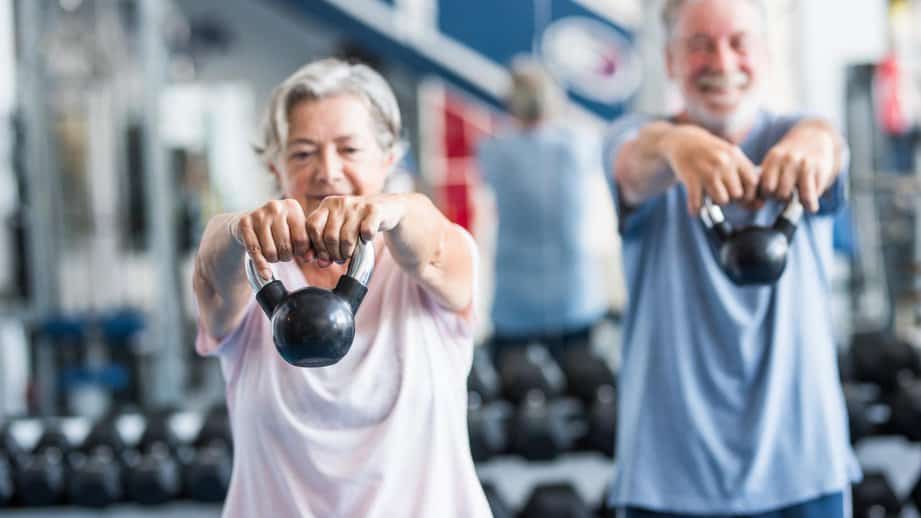
Another common stereotype is that older adults aren’t interested in staying fit, but that’s far from the truth. Many seniors are dedicated to staying active through activities like walking, yoga, swimming, and even weightlifting. Some older adults even participate in marathons and other sports typically associated with younger people. This stereotype doesn’t reflect the active and health-conscious lives many older people lead.
Older People Aren’t Interested in Intimacy
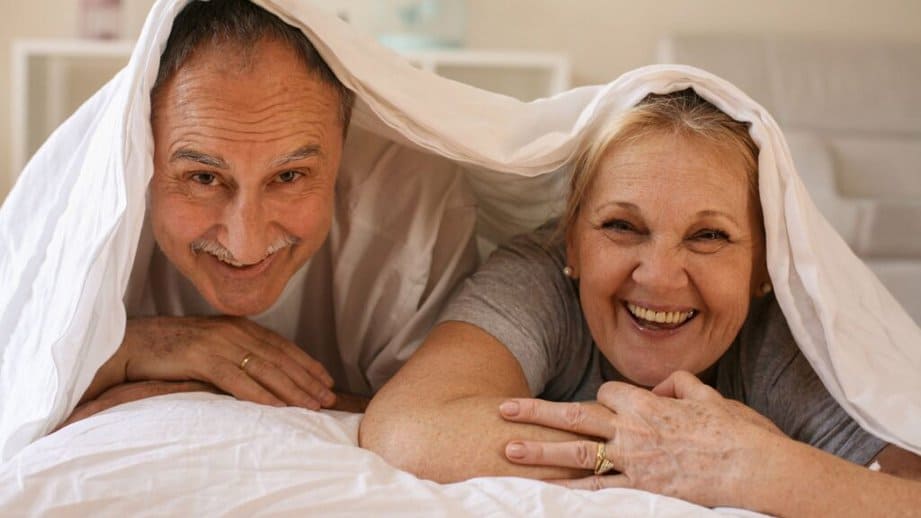
One of the most harmful stereotypes is the belief that older adults are no longer interested in or capable of having a fulfilling, intimate life. But the truth is that many older people continue to have healthy, vibrant relationships. Intimacy doesn’t disappear with age; it changes and evolves. For many, intimacy becomes even more meaningful in later years. This stereotype denies the reality of the rich lives that many older adults enjoy.
Older People Aren’t Good with Money

Some people think older adults aren’t good with money, but that’s not true. Many seniors are very good at managing their money because they have much experience. They know how to budget, invest, and make wise money choices. Some older adults even teach younger people how to handle money well. This idea doesn’t show how wise and intelligent they are with finances.
Older People Are a Burden on Society

The idea that older adults are a drain on society is not just untrue—it’s damaging. Many seniors continue to contribute significantly to their communities through volunteer work, mentoring, and even starting new careers. They bring a wealth of knowledge and experience that benefits everyone. This stereotype fails to recognize the important roles that older adults play in keeping society strong and connected. Older people are valuable members of our communities, not a burden.
Older People Don’t Like Adventure

The stereotype that older adults prefer a quiet, uneventful life doesn’t reflect reality. Many seniors have a strong sense of adventure and a “now or never” attitude. They travel to new places, try out extreme sports, and pursue lifelong dreams. This stereotype limits our understanding of what older people are capable of and overlooks the excitement they find in new experiences. Older age doesn’t mean the end of adventure—it can be just the beginning.
Older People Are Out of Touch with Modern Culture

There’s a belief that older adults don’t keep up with modern trends, but that’s not true. Many seniors fully engage with the latest music, movies, fashion, and social trends. They often share these interests with younger family members and stay connected through social media and streaming services. This stereotype overlooks the way older people enjoy and participate in modern culture. Older adults are just as capable of staying current and connected as anyone else.
Older People Don’t Contribute to Innovation

Some people think that only young people can develop new ideas, but that’s untrue. Many older adults still create and innovate in technology, business, and other areas. They have years of experience and bring fresh ideas that can lead to significant changes. This idea misses how much older people contribute to new and essential things. Including people of all ages in innovation helps everyone.
Older People Are Unhappy
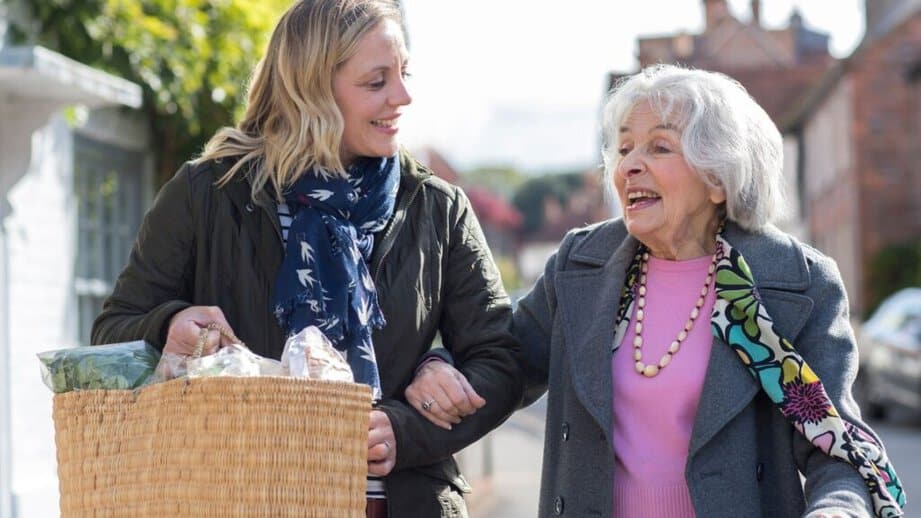
The stereotype that older people are unhappy is both false and harmful. Many older adults find that their happiness increases with age as they focus on the things that truly matter. They often experience a deep sense of contentment and fulfillment from a life well-lived. This stereotype doesn’t acknowledge the joy and satisfaction many seniors feel in their later years.
Older People are Typically Sick
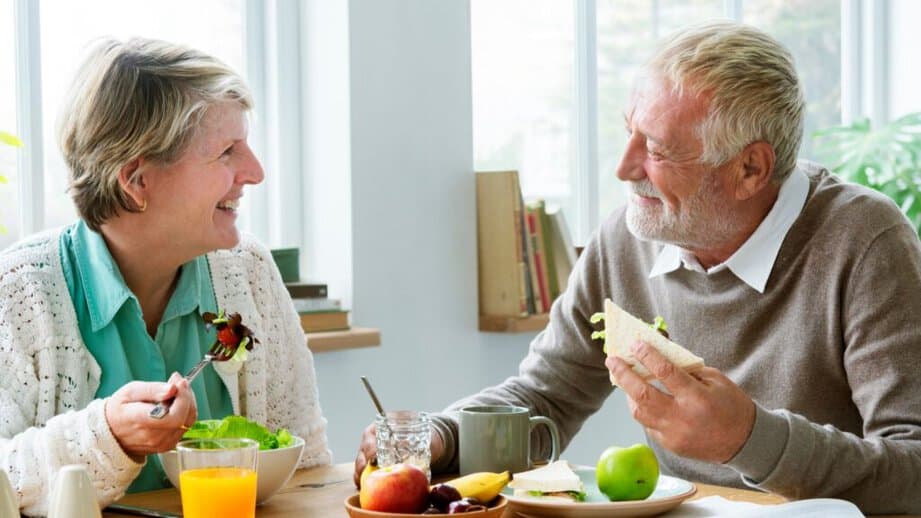
As your body ages, you may be faced with more challenges than you were in your younger years. However, this does not mean that all older people are sick or incapable of daily activity. In fact, many elderly people say they feel better and healthier in the latter years of life. To assume that people are unwell just because of their age is a stereotype that is completely false.
Old People Dislike Younger Generations

It is true that there can be huge gaps between older generations and the youth of today. However, that does not mean that older people hate everyone who is younger than them. In reality, the elderly are often fascinated and impressed by the innovation and creativity of the younger generations. They enjoy being around youthful people, and they feel inspired and invigorated by the energy that younger people have. Not all older individuals are put off by youth!
The Elderly Watch Too Much TV

There is a strange misconception that elderly people watch a lot of television. This may be linked to the fact that older people are simply home more than younger, working generations. But that doesn’t mean they are hooked to day time soap operas and endless news cycles. Many elderly people don’t watch TV at all! It is unfair to think that older generations just sit around watching TV all day. Sure, some may, but some teenagers do this too!
The stereotypes mentioned above about the elderly paint a wrong picture of them. In this article, we have tried to challenge these stereotypes so that you can start looking at older people through a different lens. They can be creative, vibrant, and full of potential. Aging should not make people feel petrified. Instead, it is that time of life when you celebrate the progress, growth, contribution, and fulfillment you have made.


