

14 Costly Credit Card Mistakes Most People Make Without Realizing

Almost everyone has at least one credit card in their wallet. However, knowing how to use that credit card properly is essential. If you start making any of these 14 common credit card mistakes, you will be sorry! Make sure you read all about these credit card blunders so you know how to avoid them. A credit card can be a powerful tool when you know how to use it correctly! Do not fall into these traps.
Note: The content of this article is for informational purposes only and is not a substitute for professional advice. Always consult with a qualified professional for advice tailored to your individual circumstances.
Missing Payments

Most credit cards require you to pay at least once a month. If you miss this payment or pay later than the due date, you will incur an interest charge. Some cards will also charge additional fines and fees. One late payment will cost you quite a bit! Lots of people make this mistake, sometimes multiple times. Do not be one of those people!
Paying Only the Minimum

Most credit cards do not require paying the entire balance when your monthly payment is due. Instead, you can pay a minimum, which many people opt to do. However, you will then be charged interest on the remaining balance. This is a costly mistake. Your interest payments will add up quickly, causing your credit card balance to go up and up, regardless of your minimum payments.
Maxing Out Your Limit
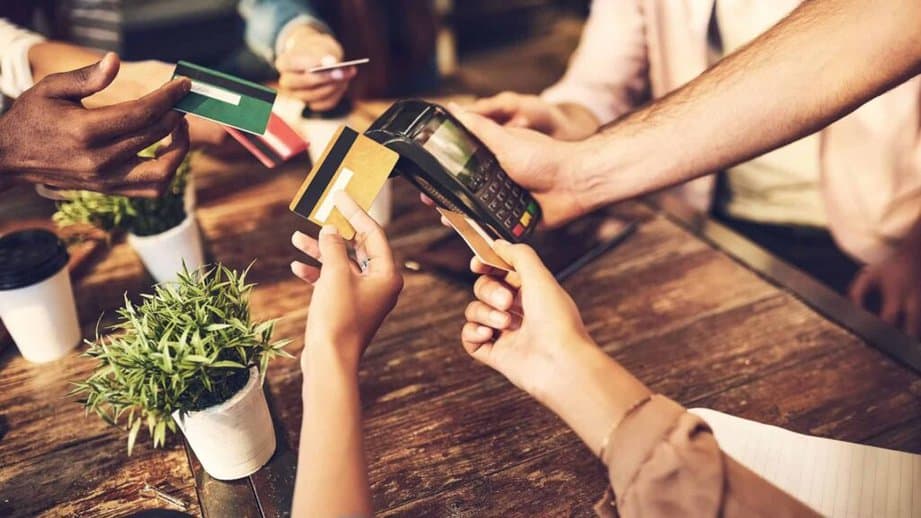
Spending the maximum amount possible on your credit card is a terrible mistake. Just because you have that available credit does not mean you need to spend it! Carrying a high balance can lead to significant interest charges, making it difficult to pay off the debt. You can easily become stuck in a cycle of increasing debt. It also leaves you with little to no available credit, making paying for emergencies or unexpected expenses almost impossible.
A maxed-out credit card can also ruin your credit score which is calculated using your available credit. You can see why maxing out your card is such a terrible idea!
Failing to Track Your Statements

If you do not pay attention to your credit card statements, you may not know when your payments are due, causing you to pay late and incur fees. Plus, you may also miss spotting credit card fraud or incorrect charges. If you do not pay attention to your bill, you may not realize how much you owe, causing you to overspend.
Using Credit Cards Every Day

If you are excellent about monitoring your credit card bills and paying the balance in full every month, using your credit card often may help you earn rewards. However, if you use your credit card to pay for everyday expenses and then forget to pay your bill, you can be in serious trouble. Using your credit card for day-to-day expenses can quickly lead to overspending and massive amounts of debt, especially if you’re not paying off the balance in full each month. It also increases your credit utilization, negatively impacting your credit score over time.
Not Understanding Fees

All credit cards have fees, some of which are hidden more than others. You need to make sure you read the fine print of your credit card terms so you know the ins and outs of your credit card fines and fees. There may be late fees on top of interest fees and sometimes even annual fees you must pay to have a credit card. Learn the fees before you sign up for the credit card, as it may deter you from choosing a specific card. With so many options, you can surely find a card with reasonable fees.
Closing Accounts Quickly
You may be surprised to learn that you should keep old credit cards open. Having a credit card with a balance of zero is actually very good for your credit score. Your credit score goes up when you have available credit and long-term credit. If you close your credit card, it shortens your credit length, lowering your score. It is actually good to have open credit cards, as long as they have a zero-dollar balance!
Using Cash Advances

Some credit cards offer cash advances. You can withdraw money from an ATM or bank using your credit card to access the cash. However, most credit cards charge very high rates for access to cash. You will likely pay a high fee and an immediate interest charge. This can quickly lead to significant debt, making it one of the most expensive ways to access cash.
Applying for Too Many Cards

When your credit card starts to reach a high balance, it is a bad idea to open a new card. Applying for multiple credit cards will actually lower your credit score. Every time you try to get a new card, your score immediately drops. Plus, having too many credit cards with a high balance will cause you to go into debt rapidly. Do a little research and find the best card for you. Then, apply for just that one.
Ignoring Your Rewards Programs

Almost every credit card has a rewards program, ranging from simple cash-back programs to more complicated point systems. Make sure you totally understand how your credit card rewards programs work so you get the most out of each card. Rewards may be one of the best things about owning and using a credit card!
Overlooking Introductory Offers

Many credit cards offer great introductory offers that you should take advantage of. You may get 0% interest on purchases for an extended period or double the amount of rewards in the first few months. Make sure you assess the introductory offers when choosing a new credit card. Also, pay attention to when those offers end so you do not get hit with any unexpected charges.
Not Having a Budget

Credit cards are not unlimited free money. You still need to pay the balance monthly. Making a credit card budget is as essential as having a budget in daily life. Have a budget for your credit card to help you control spending, ensuring you only charge what you can afford to pay off each month. A budget will also prevent you from accumulating debt and keep your credit score healthy.
Not Protecting Your Information

It is so easy to type your credit card information into the computer and buy everything you need. However, that information can easily get stolen. You need to be wary of websites and check the security before you type in your information. Consider going through larger companies, like PayPal, that have added security to prevent credit card theft.
Not Knowing Your Limit

All credit cards have limits, and those limits will vary based on your personal credit score and specific card. You should always know what your credit card limit is! For one thing, you do not want to spend more than your limit, or you will be hit with unexpected fees. You also want to know your limit so you keep your balance low. Your credit score is calculated based on the percentage of your credit card usage, so having a low balance in comparison to your limit is essential.


