

Interesting Reasons Why Many People in Japan Choose to Marry Their Friends
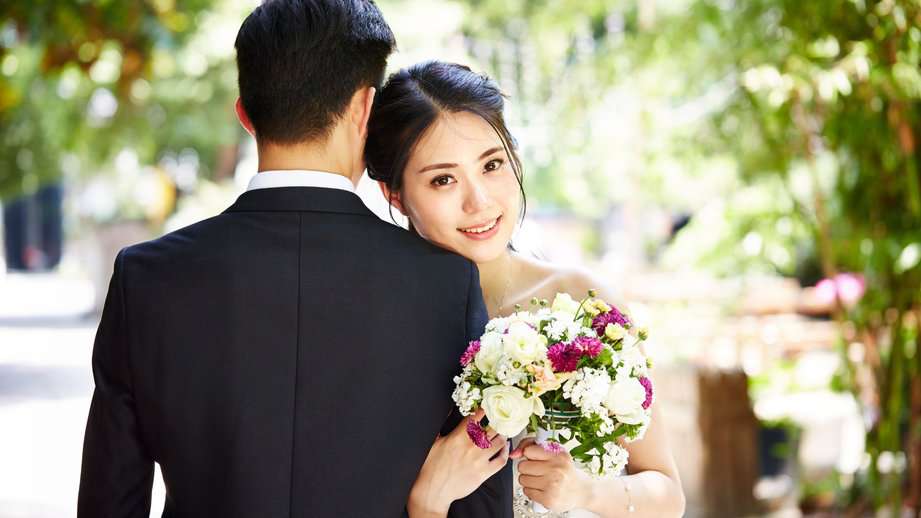
There is a unique trend in Japan right now called “friendship marriage,” which is when people choose to marry their friends instead of romantic partners. This movement is driven by a mix of cultural, social, and economic factors, offering a practical and modern twist on traditional marriage. Friendship marriages provide companionship, shared goals, and stability without the pressures of romantic expectations. As more people redefine what partnership means, this alternative is becoming a socially accepted and empowering choice for many. Take a look at why so many are choosing this path over a traditional marriage.
Pressure-Free
Romantic relationships can come with a lot of pressure and expectations. In friendship marriages, there is less emphasis on passion and more on companionship and mutual support. It can create a tranquil and cozy atmosphere where both parties feel less pressured to meet traditional romantic ideals.
Emotional Security
One of the primary reasons for friendship marriages is the emotional security that comes from marrying a close friend. These marriages are often built on long-term relationships where both parties know and trust each other deeply. This strong foundation can provide stability and mutual understanding, sometimes lacking in traditional romantic marriages.
Shared Values
Friendship marriages often involve partners who share similar values and life goals. Friends who have spent significant time together likely have aligned perspectives on important issues, making it easier to build a life together. This alignment can reduce conflicts and increase harmony in the marriage.
Financial Stability

Economic factors play a significant role in the rise of friendship marriages. Many young people in Japan face financial uncertainties, making the prospect of combining resources with a trusted friend appealing. Combining resources with a trusted friend offers economic stability and helps manage financial responsibilities more effectively.
Social Acceptance

In recent years, there has been a growing acceptance of diverse relationship models in Japan. Friendship marriages are becoming more socially acceptable, allowing people to choose partners based on companionship rather than romantic love. This shift in societal norms has made it easier for people to consider alternative forms of marriage.
Career Focus

Many individuals in Japan prioritize their careers and personal development over romantic relationships. Friendship marriages offer a way to have a supportive partnership without sacrificing personal or professional ambitions. This arrangement allows both partners to pursue their goals while having a reliable support system.
Avoiding Divorce
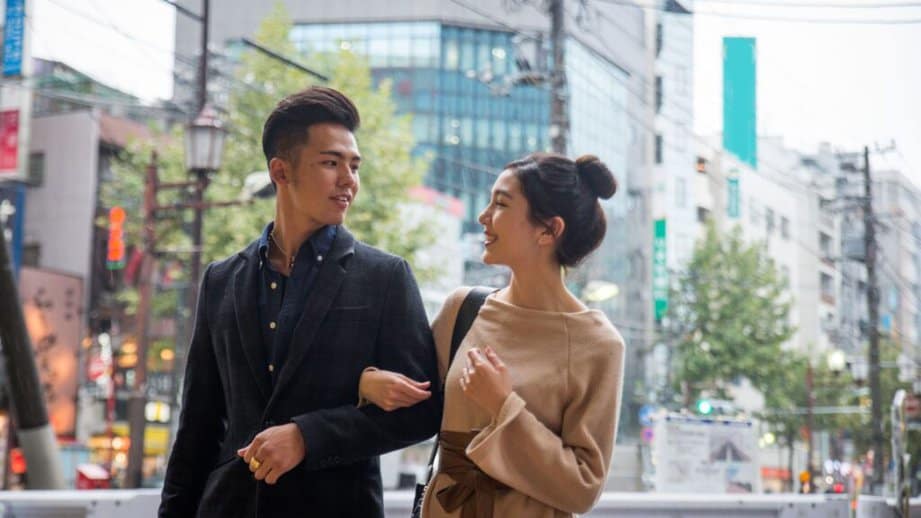
Another factor driving friendship marriages is the fear of divorce and its emotional and financial consequences. Marrying a friend can seem like a safer bet, as the relationship is often based on mutual respect and understanding. Friendship marriages based on mutual respect and understanding can reduce the likelihood of conflicts that lead to divorce.
Child-Friendly

Friendship marriages also offer practical advantages, particularly for those wishing to have children. Many of the partners in friendship marriages choose this relationship model to have children, as single motherhood remains socially challenging in Japan. Additionally, these marriages can provide tangible benefits such as tax advantages and societal approval, which are especially valuable in a society where marriage often translates into policy benefits.
Supportive Network

Friendship marriages often benefit from a strong support network. Those who marry usually have a shared social circle, which can provide additional support and resources. This network can be invaluable in navigating the challenges of married life and raising a family.
Loneliness Cure
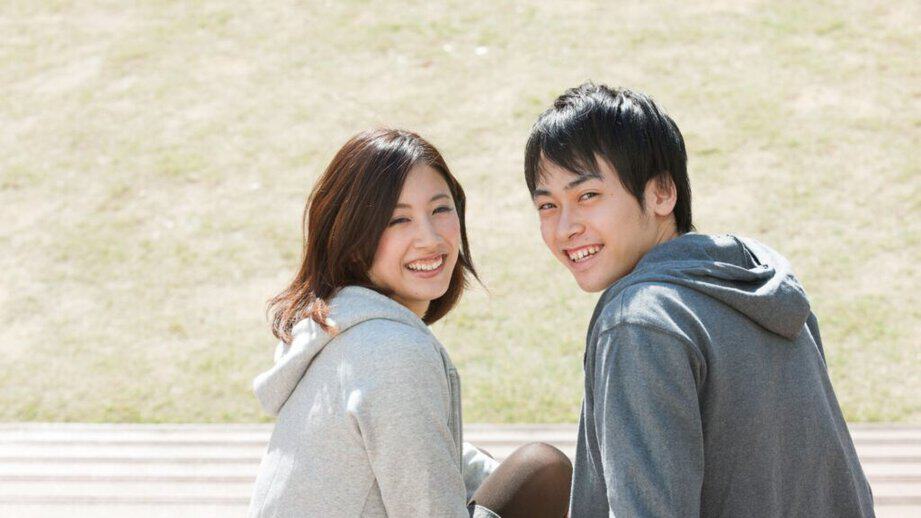
Loneliness is a growing issue in modern society, and friendship marriages can help address this problem. Marrying a friend ensures both partners have a constant companion and support system. It can significantly reduce feelings of isolation and improve overall well-being; this practical approach to building a life together through marriage can create a more organized and peaceful home environment.
Flexible Roles

Friendship marriages offer flexibility in relationship dynamics, allowing partners to define their roles and expectations. Without the traditional pressures of a romantic marriage, friends can create a partnership that suits their unique needs and preferences. Practical considerations also play a role in friendship marriages. Friends who marry can share living expenses, household chores, and other responsibilities, making life more manageable.
Parental Peace
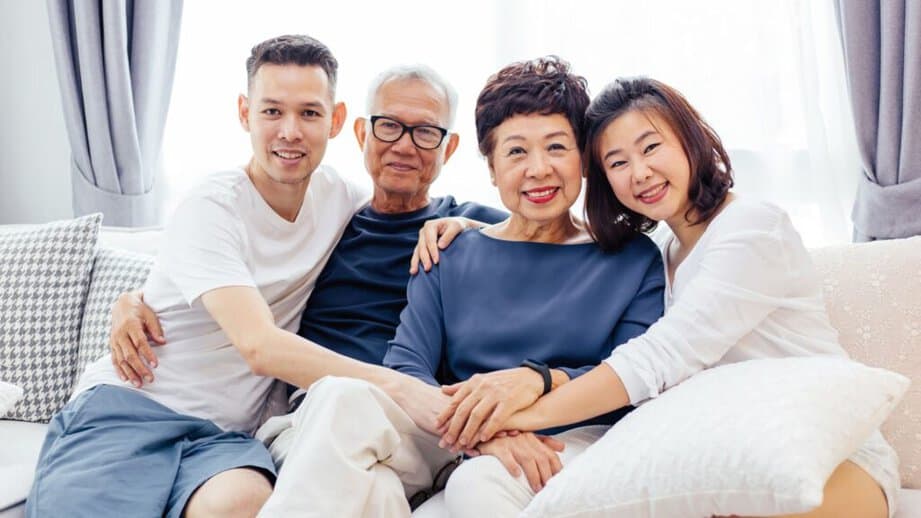
For many young Japanese, friendship marriage is a strategic way to meet societal and familial expectations; these arrangements often help individuals fulfill their parents’ wishes to settle down. Living in a society that highly values marriage and family stability, entering into a friendship marriage can present an image of maturity and responsibility.
For many, friendship marriage is a way to please parents and show a stable image in society without the pressures of romantic expectations.
Friendship marriages in Japan reflect changing societal norms and the evolving nature of relationships. By prioritizing emotional security, shared values, and practical considerations, these marriages offer an alternative model that meets the needs of many modern individuals. As social acceptance of diverse relationship forms grows, friendship marriages may become an increasingly common choice for those seeking a stable and fulfilling partnership.


