

14 Common Errors That Will Kill Your Plants
Having plants around your house can be really refreshing, but keeping them healthy can sometimes feel tricky. Many plant lovers unintentionally make simple mistakes that can stop their plants from thriving. The key to happy plants isn’t about being perfect. It is about understanding what they need and avoiding common problems. Learning to spot and fix these issues can turn struggling plants into lush, green companions. Here are the common mistakes, as per Kremp Florist, that can kill your plants.
Overwatering Your Plants
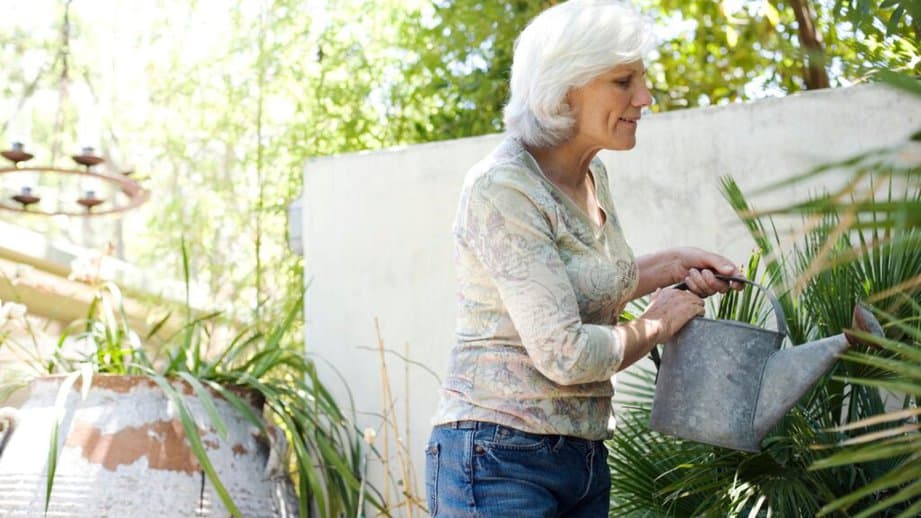
Watering too often can harm plants by suffocating the roots and encouraging rot. Many plants must dry out slightly between waterings to stay healthy. Observing your plants and checking the soil can help you decide when they need water. Not every plant has the same water needs. Watering wisely ensures your plants get what they need without the risk of overwatering.
Not Understanding Your Plants’ Sunlight Needs
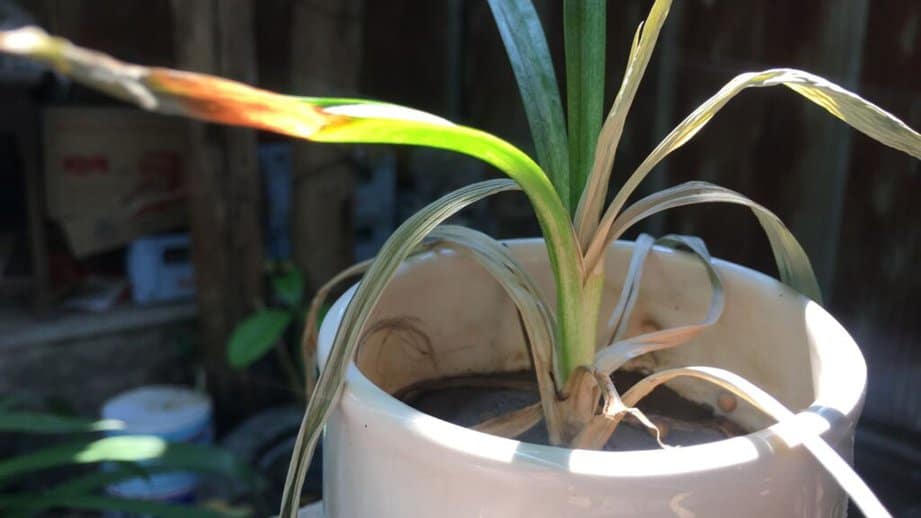
Every plant has unique light requirements. Placing them in the wrong spot can affect their growth. Some plants thrive in full sunlight, while others need partial shade. You need to observe how much sunlight your garden receives daily. It will help you decide where to place each plant. Matching the right plants with the right lighting conditions is important to avoid unnecessary stress. Paying attention to sunlight needs helps your plants grow stronger and healthier.
Planting Without Testing Soil
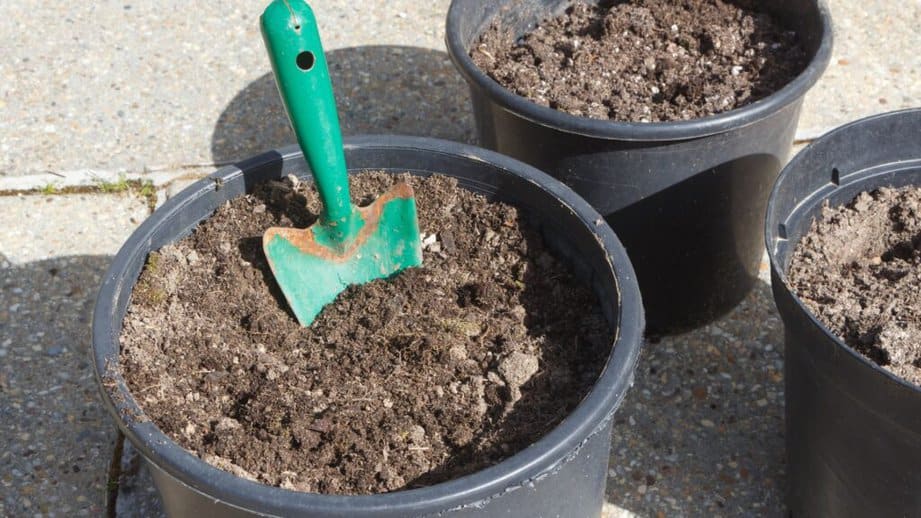
Healthy soil is one of the most important factors for successful gardening. Poor soil can lack the nutrients plants need to grow, leading to weak or unhealthy plants. Adding compost can improve soil quality and help plants thrive. Over time, neglected soil can become compacted and stop water and air from reaching the roots. Focusing on good soil preparation makes a big difference in the success of your garden.
Over-Fertilizing
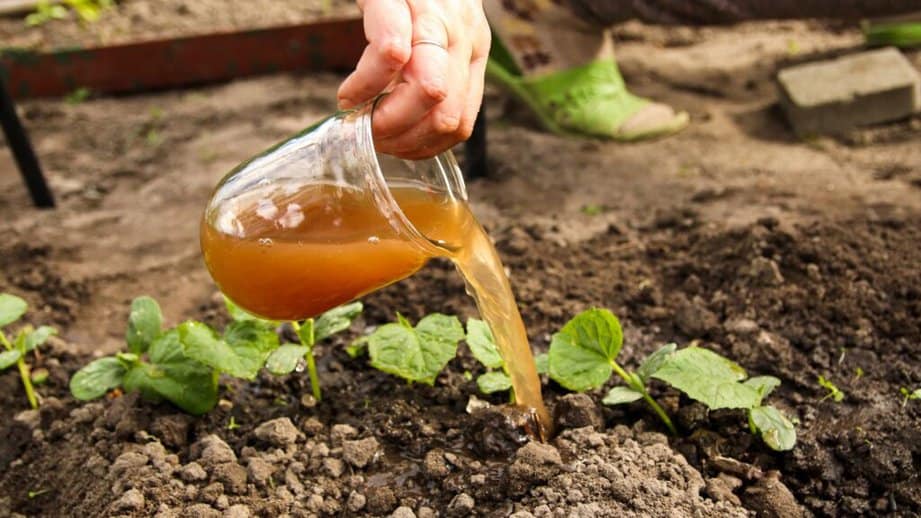
Fertilizer provides essential nutrients to your plants. But using too much or the wrong type can harm your plants. Over-fertilizing can burn roots, while under-fertilizing may lead to nutrient deficiencies. Understanding the needs of your plants helps you choose the right fertilizer and use it appropriately. Testing your soil beforehand ensures you add only what your plants need. Proper fertilization supports healthy and balanced growth.
Improper Spacing
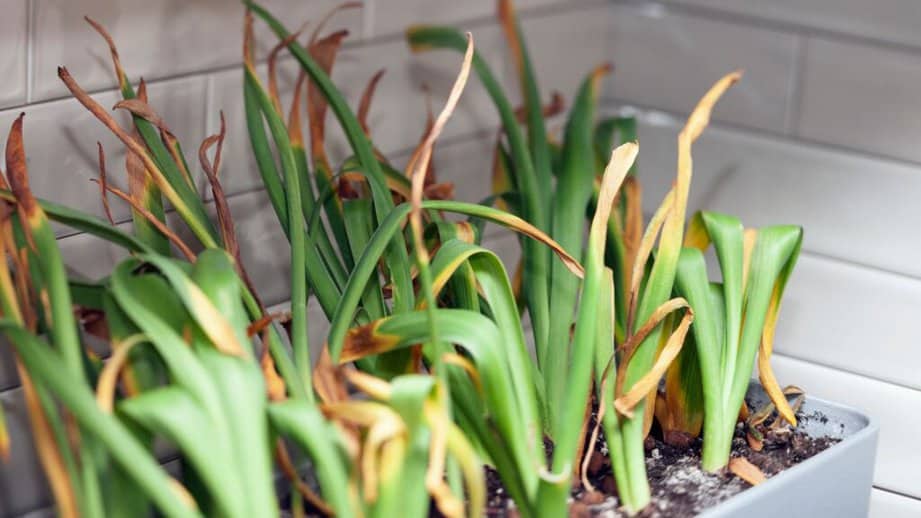
Crowded plants must compete for sunlight, water, and nutrients, limiting their growth. Giving plants enough space allows them to grow to their full potential and avoid diseases. Proper spacing also helps air circulate better and it reduces the risk of fungal infections. While filling your garden with as many plants as possible might be tempting, leaving space leads to healthier plants in the long run. Thoughtful planting ensures your garden remains vibrant and productive.
Forgetting About Wildlife
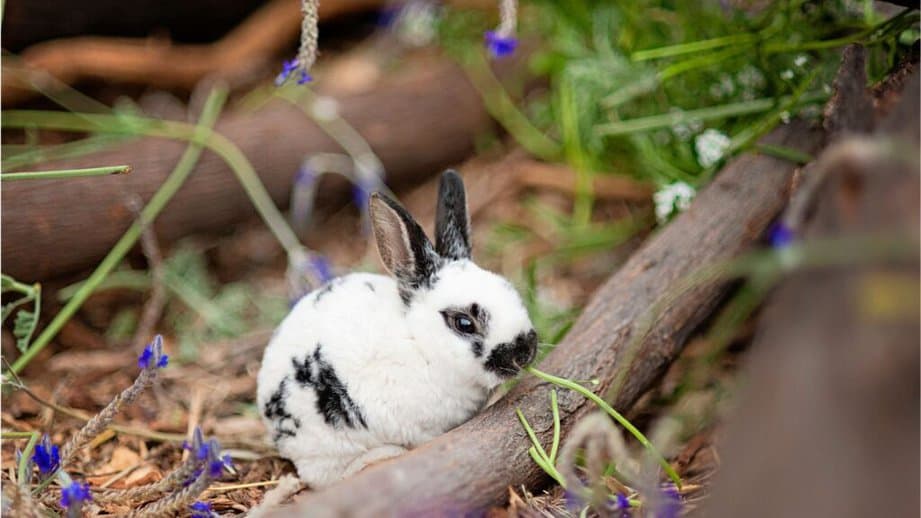
Wildlife can quickly turn a garden into an all-you-can-eat buffet. Deer, rabbits, and other animals often target fruits, vegetables, and flowers. Fences are the most effective way to keep vegetables safe, while ornamental plants can be protected by choosing unappealing varieties for animals. Planning to deter wildlife will save a lot of effort and heartache later.
Planting Invasive Species

Some plants spread aggressively and take over gardens, making them difficult to control. In long term, these might even kill other plants. Varieties like mint, bamboo, and certain grasses are notorious for this behavior. Planting invasive species directly in the ground allows them to dominate nearby plants. Containing them in pots or designated areas prevents them from spreading unchecked.
Not Considering a Plant’s Full Size
Ignoring a plant’s mature size can lead to overcrowding and poor growth. Shrubs, trees, and perennials need space to grow to their full height and width. Planting without considering this can result in plants that overshadow or choke out others. It can even affect other plants. Reading plant labels and planning for their final size ensures a well-organized and thriving garden for years.
Choosing Plants Only for Their Flowers

Focusing solely on blooms can leave a garden empty once the flowers fade. Many flowering plants have short bloom periods, so they must be paired with others offering year-round interest. Plants with unique foliage, berries, or seed pods can add texture and variety to the garden even when not in bloom. A mix of plants ensures beauty in every season.
Purchasing Sick Plants
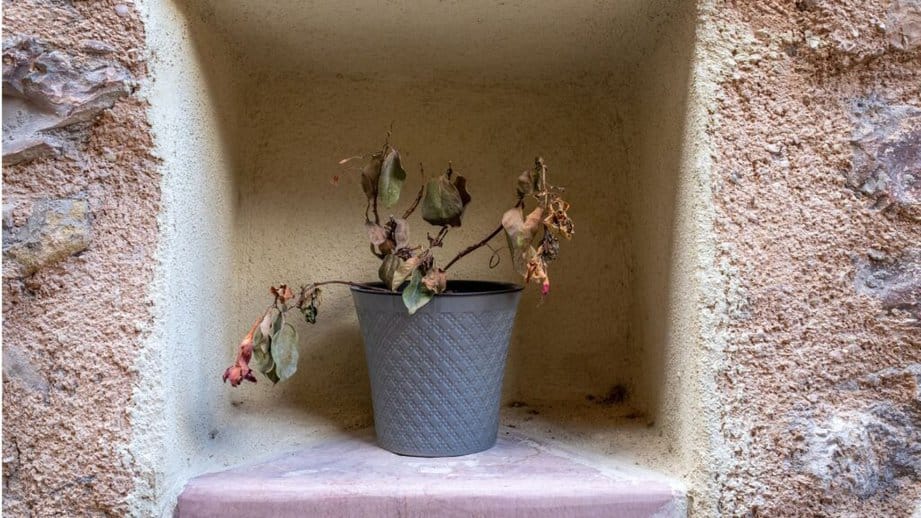
Buying unhealthy plants introduces pests and diseases into the garden. Such plants can also impact the life of the plants. Discolored leaves, wilted stems, or visible pests are warning signs to avoid. Inspect plants carefully before purchasing to ensure they are healthy and pest-free. Starting with healthy plants reduces the risk of spreading problems to other parts of the garden.
Skipping the Hardening-Off Process
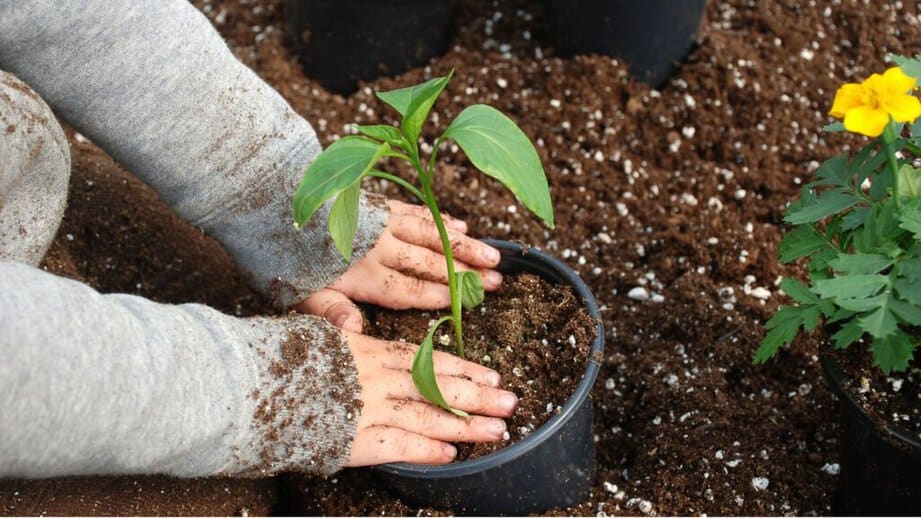
Seedlings started indoors need time to adjust to outdoor conditions before planting. Skipping this step can shock plants and lead to their failure. Gradually exposing seedlings to outdoor light, temperatures, and wind for short periods each day helps them adapt. Over a week or two, the time outside can be increased until they are ready to be planted in the garden.
Overusing Pesticides
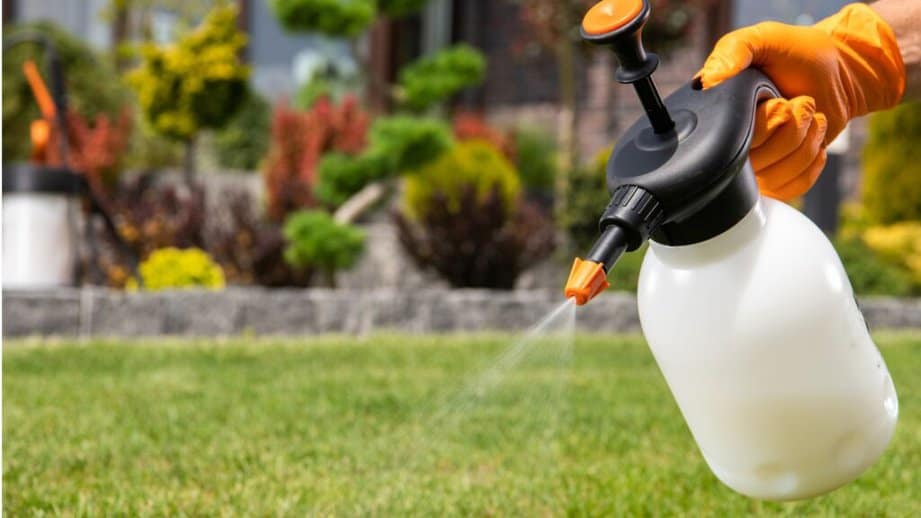
While pesticides can protect plants from pests, overuse can harm beneficial insects and the environment. Healthy plants that are properly watered, pruned, and cared for are naturally more resistant to pests. Using pesticides only when necessary helps maintain the garden’s ecosystem and reduces the risk of damaging plants. Planting extra vegetables can also help offset minor pest losses.
Taking care of plants is easier when you understand what they need and make a few small changes. Avoiding these mistakes can lead to healthier plants in your home or garden. Figuring out what helps it grow is part of the fun. Plants make your space more beautiful and bring a sense of calm and joy.
This article was inspired by Kremp Florist.


