

16 Pieces of Frugal Living Advice From Baby Boomers

Younger generations are not that good at saving money. We live in a spending economy where we would rather waste away money than put it in the bank for later. Saving money can also be very confusing, and figuring out how to save it the right way can be tricky. Luckily, we have the older generations to ask for advice!
Take a look at these 16 money-saving tips from baby boomers that all the younger generations should learn from. These tricks will help your savings accounts grow and show you the right way to save. There is so much we can learn from the older generations, and it is time we start taking their advice, especially when it comes to finances!
Fixing Instead Of Replacing
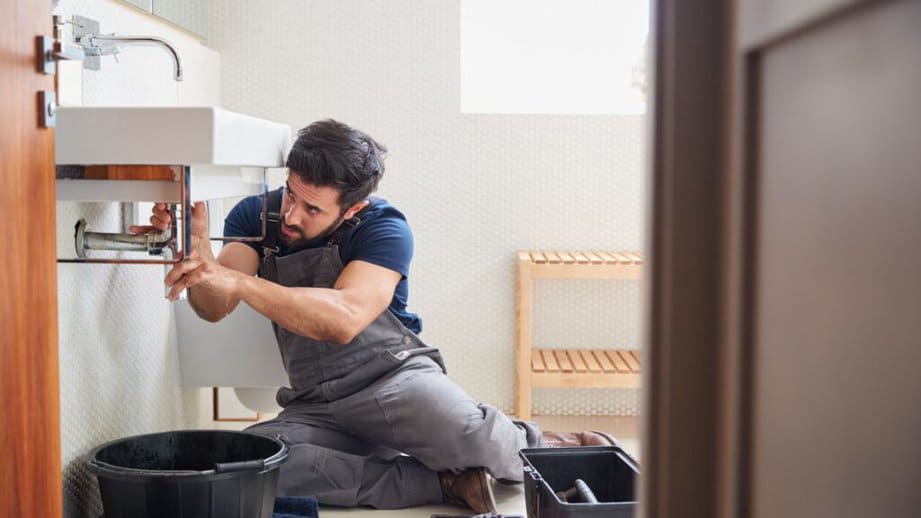
Boomers grew up in a time when if something broke, you fixed it. Whether it’s mending clothes and shoes, repairing appliances, or tinkering with cars, repairing instead of replacing can help you save. Younger generations often opt for new purchases instead of repairs, but learning to fix things can be both economical and rewarding. If you don’t have the time, look for someone who can fix it for you!
Cooking At Home

Eating out was a rare treat for Baby Boomers, not a regular occurrence. Cooking at home not only saves money but also tends to be healthier. When making your food, you know the ingredients, portion sizes, and leftovers. Learning to cook a few staple dishes can greatly impact and reduce your monthly food costs. This doesn’t mean you shouldn’t ever order food but try to limit this.
Growing Your Own Food

Many Boomers had gardens where they grew their own fruits and vegetables. This practice is economical and allows you to have fresh produce. Even if you don’t have a lot of space, you can still yield significant savings on grocery bills by having certain ingredients at home that you grew for less. If you don’t have a garden, you can always grow some plants on your balcony!
Buying Second-Hand

Thrift stores, garage sales, and hand-me-downs were staples for Boomers. Shopping second-hand for clothes, furniture, and household items can help your finances and limit your carbon footprint. Younger generations are increasingly embracing this trend, and for good reason—it’s both frugal and sustainable while giving you access to unique pieces everyone will love.
DIY Projects

From home repairs to crafting gifts, doing it yourself was common among Boomers. Doing things yourself can save you money and provide a sense of accomplishment. With many online tutorials available, there’s no reason younger generations can’t pick up a few DIY skills to cut costs and personalize their spaces. You can DYI everything, from home decor to candles, gifts, and more.
Coupons And Sales

Boomers are masters of using coupons and waiting for sales before making purchases. This strategy can significantly reduce spending. While it might seem time-consuming, the savings can be substantial. Younger shoppers can use apps and websites to find the best deals and discounts to capitalize on the digital age or their savings hacks. Try it once and you’ll never go back.
Paying With Cash

Many Boomers preferred to pay with cash rather than credit to avoid debt. This habit helps keep spending in check because it’s easier to track your spending when you see the money leaving your hands. It can be a useful practice for younger generations to prevent unnecessary debt accumulation. Try to see whether it works for you or if you prefer to keep using your card.
Reducing Energy Consumption

Boomers often implement simple strategies to reduce energy consumption, like turning off lights when leaving a room, using energy-efficient appliances, hanging clothes to dry, or unplugging appliances when they aren’t in use. These can lead to significant savings on utility bills and are environmentally friendly. When empty, avoid leaving all the lights on in main rooms like the kitchen or living room.
Hand-Me-Downs And Multipurpose Items

Boomers frequently reused and repurposed items to get the most out of them. Hand-me-downs and items that serve multiple purposes (like mason jars for storage and drinking glasses) are cost-effective ways to use what you have. This can help younger generations maximize their resources. Gather your “junk” and see what items you can repurpose or even donate for someone else to repurpose.
Budgeting

The Baby Boomer generation was known for committing to stringent budgeting and prioritizing savings. One can effectively manage their finances by creating a personal budget and adhering to it with steadfast discipline. This simple but responsible act will help you manage your finances more effectively. For instance, how much are you going to spend each month on food? Nights out? And for rent and other necessary expenses?
Live Within Your Means

Living within one’s means was a mantra for many Boomers. Avoiding debt, saving for big purchases, and prioritizing needs over wants were key strategies. Embracing a simpler lifestyle and avoiding the pressure to keep up with the latest trends can help younger generations achieve financial stability. Being content with our lives is a forgotten skill we should practice.
Community Sharing

Boomers often relied on community sharing and borrowing rather than buying everything new. Whether it is tools, books, or even cars, sharing resources within a community can significantly cut costs. This practice also fosters a sense of community and mutual support, which is invaluable to have in life. So next time you need something for a few hours, ask your neighbor!
Less is Best

Baby boomers are not typically ones to buy tons of extra things just to have around the house. They often have minimalist homes that have only the essentials. Stop wasting your money on tons of trinkets and unnecessary home items. You probably don’t need that 8th throw pillow on your couch or the decorative wine bottle covers. Don’t spend money on items that you will never use or are simply excessive.
Homemade Gifts

People spend a lot of money on birthday gifts, housewarming presents and anniversary gifts. Rather than spend hundreds of dollars on expensive gifts, try making homemade gifts instead. Use your crafting skills to sew a blanket or bake homemade cookies to bring as a gift. Baby boomers know how to give meaningful, from the heart presents that not only save money, but also truly show how much you care. People will appreciate the time and effort you spent making them a present!
Unnecessary Subscriptions?

Back in the day, our grandparents rarely forgot about their subscriptions. Why? Because they would get a copy of their favorite magazine at the doorstep every Wednesday. Today, however, we often forget our subscriptions as everything tends to be online. This is the perfect time to check your card and see whether you are still paying for services you are not using.
No Instant Orders

We live in a time where you can think of something you want, place and order on your phone, and have that item delivered to your door almost immediately. While this instant gratification can be nice, it is also a great way to waste your money on silly things. Rather than click and purchase things the moment you think of them, try to wait a day, a week, or even a month before you hit that “buy” button. Waiting will help you save money and stop buying things you really don’t need.


