Thriving at Co-Parenting: Best Practices For Putting Your Kids First After Divorce

Divorce is a challenging experience for everyone involved. It takes a toll on you, your ex, and especially your children. While the idea of co-parenting with your ex may feel overwhelming, it’s crucial for your kids’ emotional health. Focusing on their needs and putting aside any lingering negative feelings is key. Here are some helpful tips to guide you toward effective co-parenting after a divorce.
Note: The content of this article is for informational purposes only and is not a substitute for professional advice. Always consult with a qualified professional for advice tailored to your individual circumstances.
Prioritize Open Communication

Open communication is not just a key; it’s the foundation of successful co-parenting. Discussing the children’s needs, schedules, and concerns helps keep both parents aligned. Tools like co-parenting apps can facilitate this communication and minimize misunderstandings. It’s essential to keep a polite tone and focus on constructive discussions. When parents communicate well, children feel more secure and less stressed, knowing they are always in the loop.
Maintain Consistent Routines

Children thrive on stability and predictability. Maintaining consistent school routines, homework, meals, and bedtime across households can provide security. This consistency helps children adjust more quickly to the new family dynamics. It minimizes confusion and makes transitions between homes smoother. A stable routine reassures children that their world remains steady despite the changes.
Foster a Positive Environment
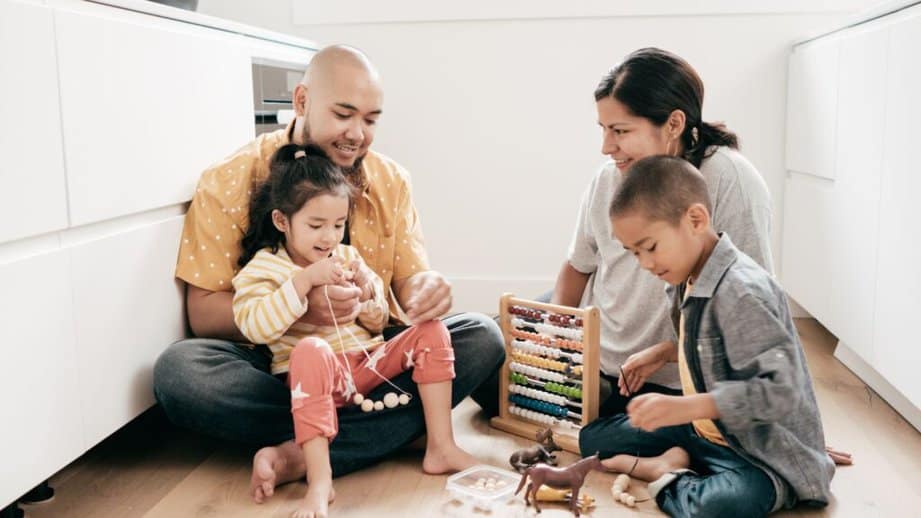
Creating a positive environment in each home is crucial. To foster mutual respect, speak respectfully about the other parent in front of the children. Avoid discussing adult issues or conflicts where children can overhear. Focus on building a loving, supportive atmosphere where children feel safe and valued. A positive environment helps children thrive emotionally and psychologically.
Encourage Emotional Expression

Children need to feel heard and understood during a divorce. Please encourage them to speak about their innermost feelings and thoughts openly. Listen without judgment and validate their emotions. Providing a safe space for children to share their concerns helps them process the changes. This open dialogue makes the parent-child bond unshakeable and promotes emotional well-being.
Collaborate on Parenting Decisions

Co-parenting requires collaboration and joint decision-making. Discuss important matters such as education, health care, and extracurricular activities. Strive for a unified approach that reflects the best interests of the children. When parents work together on these decisions, it shows children that their parents are a team. This cooperation provides a sense of stability and security.
Be Flexible and Adaptable

Flexibility is not just a virtue; it’s the need of the hour in co-parenting arrangements. Life is unpredictable, and plans may need to change. Being adaptable and willing to accommodate each other’s schedules can prevent unnecessary conflicts. This flexibility shows children that their parents are eager to work together for their sake. It sets a positive example of cooperation and compromise, empowering both parents to navigate the challenges of co-parenting.
Respect Each Other’s Parenting Style

Every parent has an exclusive approach to parenting. Respecting each other’s parenting styles and boundaries is essential. Avoid criticizing or undermining the other parent in front of the children. Supporting each other’s parenting decisions fosters a harmonious co-parenting relationship. It also teaches children about respect and cooperation.
Focus on Quality Time

Quality time with each parent is not just important; it’s vital for children’s emotional health. Ensure that the time spent with the children is meaningful and focused. Engage in activities that make your bond unbreakable and create lasting memories. This quality time helps children feel loved and valued by both parents, and it’s a way for parents to stay in touch and be involved in their children’s lives.
Seek Professional Support

Counseling or therapy can benefit both parents and children. Professional guidance can help navigate the emotional challenges of divorce and co-parenting. Therapists can provide strategies for effective communication and conflict resolution. They can also help children express their feelings. Don’t hesitate to seek help when needed.
Develop a Co-Parenting Plan

A detailed co-parenting plan can ease many of the logistical challenges. Outline custody arrangements, visitation schedules, and decision-making responsibilities. Having an explicit agreement reduces misunderstandings and conflicts. It provides a framework for co-parenting that both parents can follow. A co-parenting plan is an essential tool for successful co-parenting.
Keep Children Out of Conflicts

Children should never be involved in parental conflicts. Avoid using them as messengers or involving them in disputes. This can lead to unnecessary stress and emotional burden. Keep adult issues and conversations away from the kids. Focus on providing a harmonious environment for them to grow. As a parent, you must ensure your kids don’t grow up in unhealthy environments.
Take Care of Your Own Well-being

Taking care of your well-being is crucial for effective co-parenting. Manage your stress, seek support from friends or professionals, and ensure you’re in a good place emotionally. You’re better equipped to care for your children when you care for yourself. Your well-being directly impacts your ability to co-parent successfully. When you prioritize self-care, you set a positive example for your children.
Say Nice Things

Even if you’re no longer in love with your spouse, it’s important not to express negative feelings about your ex in front of your child. Regardless of your personal feelings, your child needs to maintain a healthy relationship with both parents. They can’t choose to separate from their other parent, so it’s crucial to speak about your ex respectfully when your kids are around. Avoid using hurtful language, and ensure your children understand that you respect their relationship with their other parent. Try as hard as you can always to be nice, a lesson we all try to teach our children.
Explain The Situation

Children are much smarter than you may think. They are very in tune with situations, especially when it comes to their personal lives. They may know a lot more about your divorce than you give them credit for. Make sure you are honest and open with your kids about your situation. Explain as much as you can to them so they fully grasp their new life. You do not have to go into gritty details, but make sure your kids know what is going on. Let them ask questions and try to help them understand that your love is unwavering. Life may have changed a little, but that remains the same!
Co-parenting after a divorce is undoubtedly challenging, but creating a positive environment for your children is possible. Both parents can ensure their children feel loved and supported by prioritizing their needs, maintaining open communication, and being flexible. The goal is to work together to provide stability and happiness for the kids. Remember, it’s about putting the children first and showing them that even though the family dynamic has changed, the love and care remain constant.