

15 Toxic Habits That Are Making You Gain Weight

If you are having a hard time losing weight, you may want to talk to a doctor or nutritionist. Professional advice can go a long way! But we also have some things you may want to consider when starting a weight loss journey. There are some bad habits that may actually be the reason why you aren’t losing the weight you want to shed. Learn about these mistakes and how you can avoid making them in the future. Stopping these things will help you become a better you and make losing weight a whole lot easier!
Note: The content of this article is for informational purposes only and is not a substitute for professional advice. Always consult with a qualified professional for advice tailored to your individual circumstances.
Eating in Front of the TV

Eating while watching TV makes it easy to lose track of how much you eat. You get so into the show that you don’t notice when you’re full. This can make you eat too much without knowing. Also, TV snacks are often unhealthy. So, it’s not just about how much you eat, but also what you eat. Try eating at the table and focus on your meal—your body will feel better.
Skipping Breakfast

You might think skipping breakfast is an excellent way to cut calories, but it often backfires. Skipping breakfast makes you more likely to get hungry later and overeat. Your body also slows down its metabolism because it’s unsure when it’ll get food again. So it burns fewer calories throughout the day. Even a small, healthy breakfast can help keep your weight in check.
Drinking Sugary Drinks

Do you consume sugary drinks throughout the day? Sugary drinks like soda, sweetened coffee, and juice are packed with calories but don’t fill you up. You can drink a lot of calories without even noticing. Plus, sugar can make you crave more sugar, leading to a cycle of overeating. It’s easy to forget how much sugar is in these drinks, so it’s best to stick with water or unsweetened beverages most of the time.
Not Getting Enough Sleep

Sleep is super important for keeping your weight in check. When you don’t sleep enough, your body’s hunger hormones can get out of whack. This makes you feel hungrier and crave unhealthy foods. Plus, being tired makes it harder to say no to those cravings. So, getting a good night’s sleep isn’t just about feeling rested—it can also help you maintain a healthy weight.
Eating Too Quickly

Many of us who have the habit of eating fast don’t realize that it leads to overeating. See, our brains take time to realize that our stomachs are full. When you eat fast, you can consume much food before your brain gets the signal to stop. As a result, you end up eating more than you need. Slowing down, chewing your food well, and taking breaks between bites can help you eat less and enjoy your food more.
Stress Eating

When stressed, it’s easy to turn to food for comfort. But stress eating usually means eating high-calorie, sugary, or fatty foods that aren’t good for your waistline. Plus, when you’re stressed, your body produces more cortisol, a hormone that can make you store fat. To avoid stress eating, you can try exercising or talking to a friend to keep stress eating in control.
Not Drinking Enough Water

Sometimes, when you think you’re hungry, you’re just thirsty. You might eat more than you need without drinking enough water. Also, when you drink water before meals, it makes you feel fuller, and as a result, you eat less. Staying hydrated helps your body function better, aiding in weight management. So, make sure you’re drinking plenty of water throughout the day.
Eating Too Many Processed Foods

Processed foods are often high in fats, calories, and sugar but low in nutrients. They’re designed to taste good and make you want more, which can lead to overeating. These foods don’t keep you full for long, so you eat more throughout the day. But when you focus on whole, unprocessed foods like fruits, vegetables, and lean proteins, they help you avoid unnecessary weight gain.
Mindless Snacking

Snacking itself isn’t bad, but mindless snacking can be a problem. Eating more than you planned is easy if you snack without paying attention, like while you’re working or driving. But mindless snacking is another major reason for weight gain. To avoid mindless snacking, try to plan your snacks and eat them mindfully so you enjoy them and keep track of how much you’re eating.
Large Portion Sizes

When you serve food on your plate, do you take small portions or try to fill them to avoid getting up again? Portion sizes have grown a lot over the years, and it’s easy to eat more than you need. In such cases, even when you consume healthy foods, it can contribute to weight gain if you overeat. Learning what a healthy portion looks like can help you avoid overeating. You don’t have to cut out your favorite foods; you can enjoy them in smaller amounts.
Eating Out Too Often

Restaurant meals often have more significant portions and are higher in calories, fat, and sugar than home-cooked meals. When you eat out a lot, controlling what goes into your food and how much you eat is hard. Plus, eating out can become a habit that’s tough to break. You will keep adding more calories and weight because of this habit. Cooking more meals at home can help you manage your weight better.
Lack of Exercise

Even when you eat in moderation, you can gain weight if you don’t give your body sufficient exercise. Exercise burns calories and keeps your metabolism active. If you spend a lot of time sitting, whether it’s at work or home, it can be easy to gain weight. Even small amounts of movement, like walking or stretching, can make a difference. Find ways to move more throughout the day—it doesn’t have to be intense, just consistent.
Following Strict Diets

Instead of following a diet after gaining weight, change your lifestyle. Why? Diets are often temporary and tend to be highly restrictive. Spending a whole week eating only salads may lead to weight loss, yet the chances that you’ll go back to your usual diet afterward and get back all the pounds you lost is quite high. If you want to lose weight, focus on changing your lifestyle, for instance, by introducing more healthy foods to your usual diet.
Buying Too Much Unhealthy Food
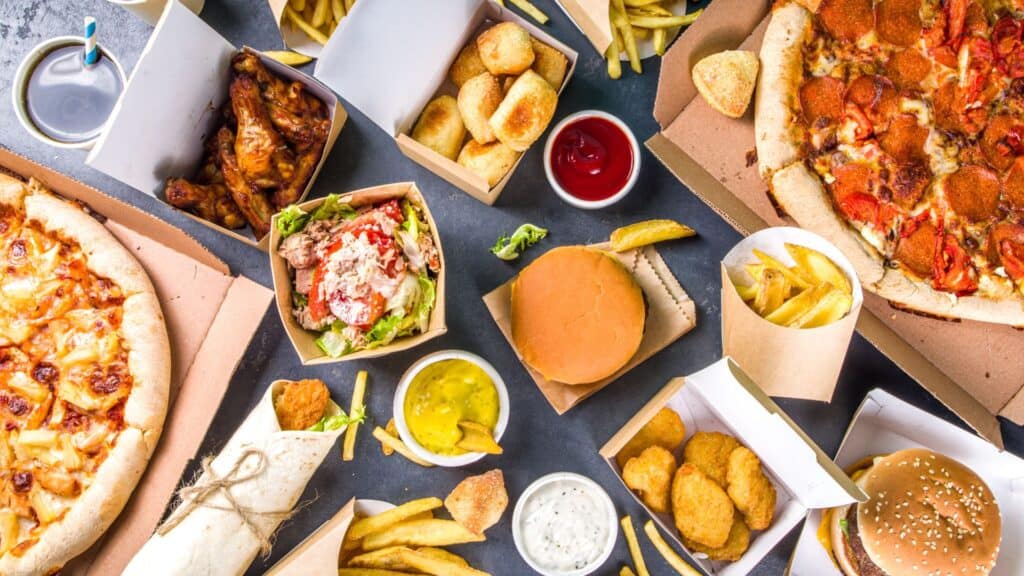
It’s as simple as this: If you shouldn’t eat it, don’t buy it. Of course, you’ll eat a whole bag of chips if it’s in your kitchen cabinet. But what if you have to walk all the way to the store to buy it? You probably will avoid it and opt for something else. That being said, make sure to treat yourself to some snacks every now and then, but don’t fill your kitchen with tons of junk food.
Exercise Makes it Okay

Many people think they can eat whatever they want as long as they exercise. Yes, exercising helps you lose weight and burns calories. But going home after a workout and inhaling those calories again is just a recipe for disaster. Exercise does not give you a free pass to eat an unlimited amount when you get home. Mindful eating paired with exercise is always a good idea and will help you manage your weight.
You can easily fall into habits that can increase your weight without realizing it. But now that you know some of these habits, you can start making small changes. Remember, it’s not about being perfect but about finding balance. When it comes to weight, you need to follow these healthy habits. So, let’s take it one step at a time, and soon, you’ll be on your way to a healthier you!


