

Don’t Be A Tourist! Expert Globe-Trotters Guide To Being An Expert Traveller
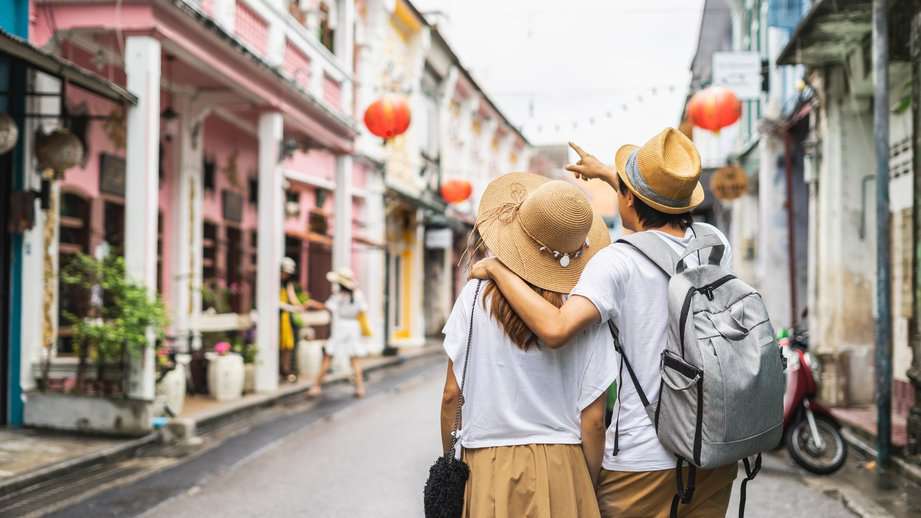
One of my favorite novels is The Sheltering Sky by Paul Bowles. In it, the author brilliantly puts his perspective on traveling, “Whereas the tourist generally hurries back home at the end of a few weeks or months, the traveler, belonging no more to one place than to the next, moves slowly over periods of years, from one part of the earth to another.” This one may sound strange but you don’t need to travel all the time to be a traveler. The key difference is in your focus. Tourists usually visit popular attractions and sites, while travelers seek authentic experiences. How can you shift from being a tourist to a traveler?
Ditch Luxury Hotels

Tourists stay in expensive accommodations with state-of-the-art facilities. However, they don’t tend to travel for cultural connections. They are there for a luxury trip filled with sightseeing.
Travelers opt to stay in hostels, lower-budget hotels, guesthouses, and even homestays rich with authenticity. They’re fascinated by local life and hope to step into their shoes.
Slow Down

Tourists pack tons of activities into a few days and never get a chance to relax. It is always about staying on the move and switching locations every other day.
Travelers take it slow, enjoying every step of the voyage. Since they tend to devote more time to travel, they gravitate towards buses, trains, and ferries. It keeps stress levels down and allows a chance to unwind between busy days.
Take the Road Less Traveled
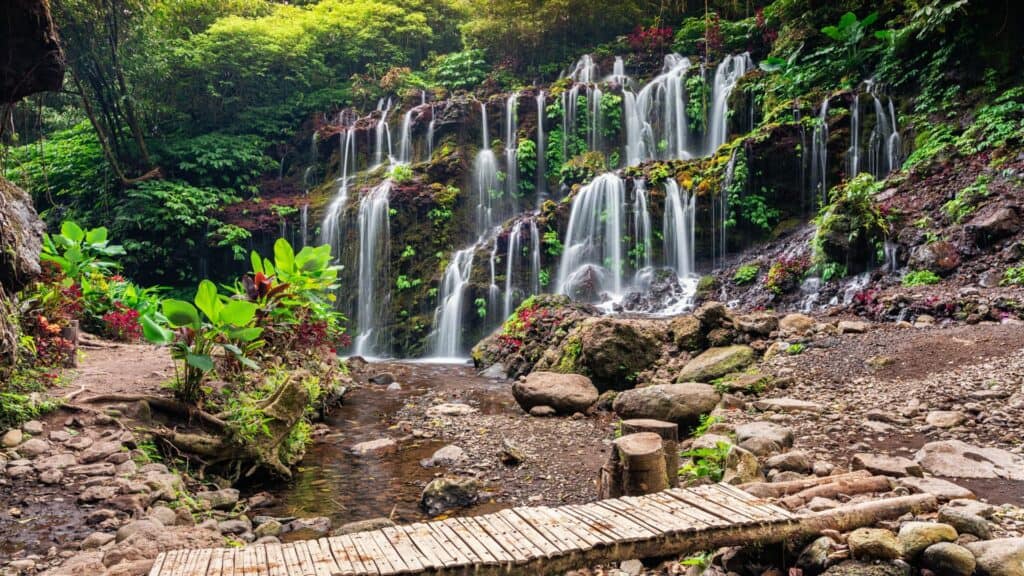
Tourists only make time to see the main attractions and do not explore off the beaten path. This might be time permitting, but tourists will all tend to be in the same small vicinity.
Travelers know hidden gems offer a more authentic experience than ones overrun by crowds. It is an excellent way to perceive a destination for what it is and gain a deeper insight into different ways to live.
Learn the Language

Tourists enter a country not knowing how to say hello or thank you since they don’t plan to interact with locals. They might expect everyone they interact with to learn their language, so there is no point.
Travelers strive to grasp the basics of a language before departure. Respecting locals is always a priority, plus it’s a fun experience to open up to a new country before arriving.
Live Local

Tourists spend time around other tourists and rarely engage with locals unless they are their group tour guides. They bring their culture with them instead of embracing a new one.
Travelers eat what the locals eat, do as the locals do, take cooking classes, and seek out new cultural wisdom. Anything to fit in feels right.
Support Local Business
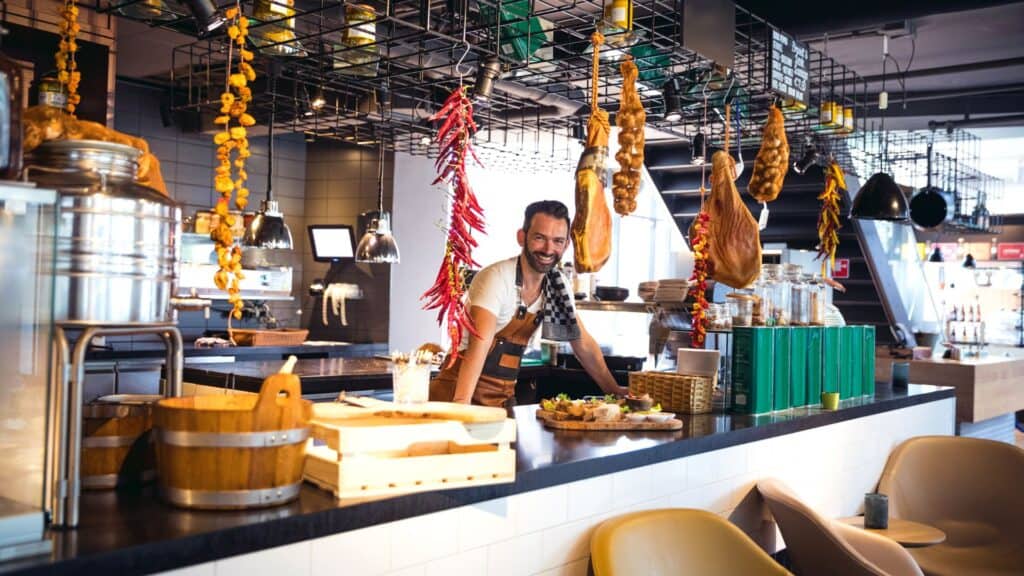
Tourists dine and buy from large chains on vacation unless it’s at a souvenir shop. Dinner might be at a safe restaurant in a heavily traveled area that doesn’t highlight a true dining experience.
Travelers shop responsibly and give back to the community, supporting local mom-and-pop-run establishments. They will look into authentic restaurants that offer a laid-back feel and are loved by locals.
Utilize Public Transport

Tourists tend to think public transport is intimidating, unsafe, or dirty. They don’t want to spend money on a metro or bus, so most will take a taxi or Uber everywhere, which is usually ten times more expensive than public transportation.
Travelers embrace a destination’s public transportation systems. Not only are they cheaper, but they are usually more efficient. People-watching is like a professional sport here, providing constant entertainment.
Just Wander

Tourists always have the next destination in mind and consider the endpoint more than the journey. They miss the little details along the way and do not take the time to admire what is in front of them.
Travelers enjoy journeys without a specific destination, appreciating their surroundings at every turn. Small nuances leave them amazed as they explore culture on every street corner.
Speak to Everyone

Tourists are often nervous about stepping out of their comfort zones because they fear language barriers. As a result, conversations are usually terse and awkward.
Travelers talk to restaurant staff, shop owners, and other adventurers they meet—basically, they engage with others at any chance, even if they don’t speak the same language. Why travel if you are not open to meeting people?
Research, Research, Research
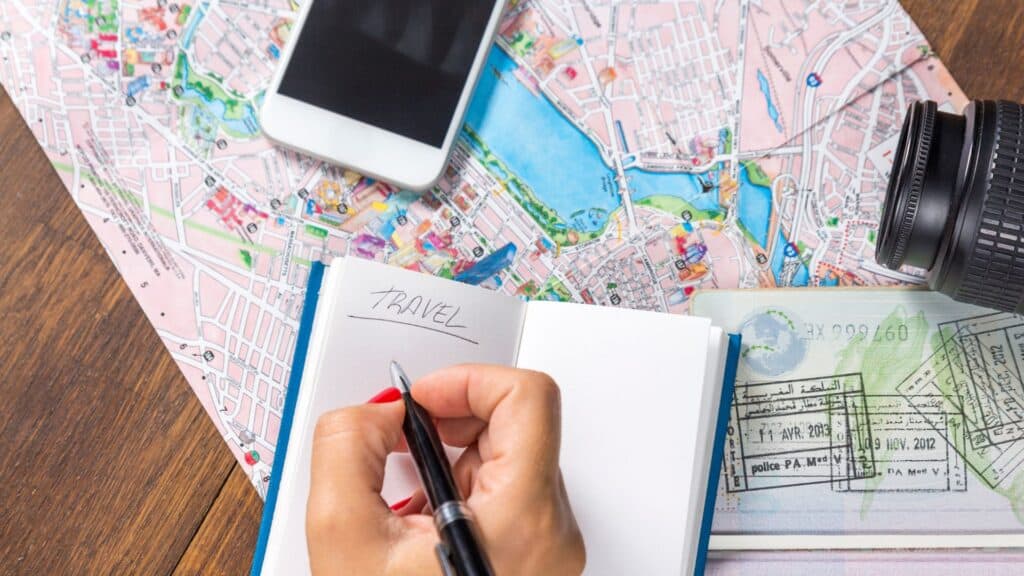
Tourists often rely on social media platforms like Instagram and TikTok for travel recommendations, resulting in limited exposure to off-the-beaten-path destinations, unique activities, and cultural norms.
Travelers know that learning the cultural norms, traditions, and best ways to move around takes time, and preparation for a new place is always necessary. They do research through podcasts, YouTube videos, and blogs.
Journal

Tourists tend to move around so much that they have no time to contemplate their adventures. Pictures can only do so much justice, but they do not show the emotion behind the moment.
Travelers take the time to reflect on experiences and lessons learned every step of their journeys. They know their writing can inspire others and serve as a guide. It is also interesting to look back on and recount a wonderful trip.
Attend Community Events
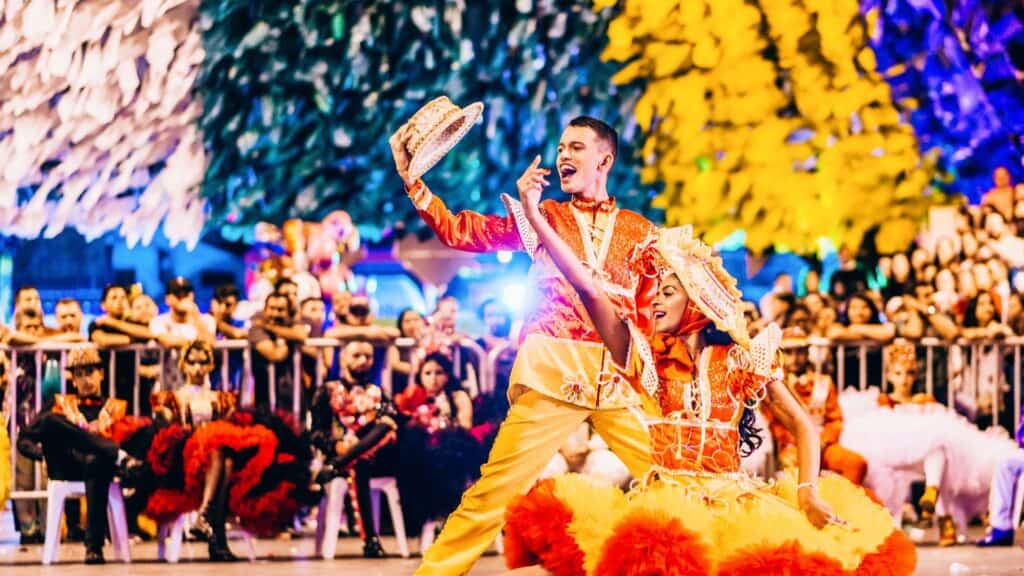
Tourists will not look to get a taste of local culture through community concerts, volunteering, or festivals. They pass by quickly on their busy schedules for a glance.
Travelers purposely seek opportunities to get involved in local events to feel empowered by these connections. Not only will they perceive, but they also love to participate in the fun.
Spontaneity

Tourists often tend to plan every single second of their trip. They don’t only know which hotel they will stay in and which city they will visit but also what activities will keep them busy throughout the day.
Travelers tend to have a general plan but do not fear last-minute changes. This means that they make the most of whatever happens throughout their day. For instance, saying yes to a lunch invite.
What To Avoid
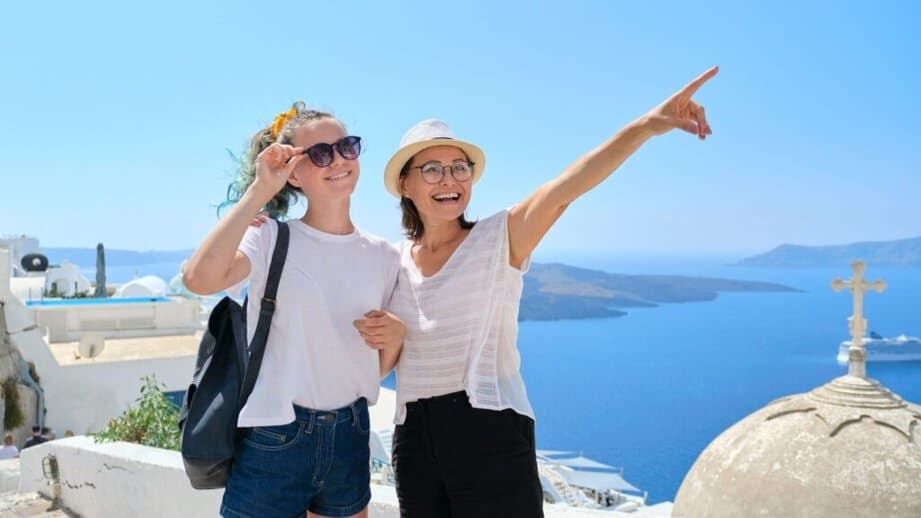
Tourists often avoid whatever is not too familiar to them. For instance, they may prefer to eat in huge fast food chains instead of trying street food for fear of getting sick. Similarly, they tend to book accommodations online in advance instead of just seeing what options are available once they arrive at their destination.
Travelers, on the other hand, tend to avoid everything that seems too touristic. They eat in small restaurants full of locals and sleep in cheap hotels, which may not have the best amenities but are surely more authentic.
Log-Off

Tourists spend a crazy amount of time on their phones, whether taking pictures of a certain historical site, chatting with friends back home, or looking for directions to the nearest restaurant.
Travelers turn off their phones or leave them at their accommodation. They only take pictures of what truly matters, write postcards and letters to their friends back home, and ask locals for the best restaurants in the area.
Volunteer

Tourists rarely volunteer with local associations. This is because they are way too busy running to the next tourist attraction.
Travelers, on the other hand, want to help the society and communities they explore. They may reach out to local nonprofits and see where help is needed. This is one of the best ways to engage with the locals and learn more about the culture you’re visiting.
Tourists travel more at face value, while travelers soak up every experience. With these 16 simple switches, one can begin to travel with intent. Digging deep and indulging in one’s surroundings will transform one from a tourist to a traveler.


