14 Surprising Cultural Adjustments Americans Need to Make When Traveling Abroad
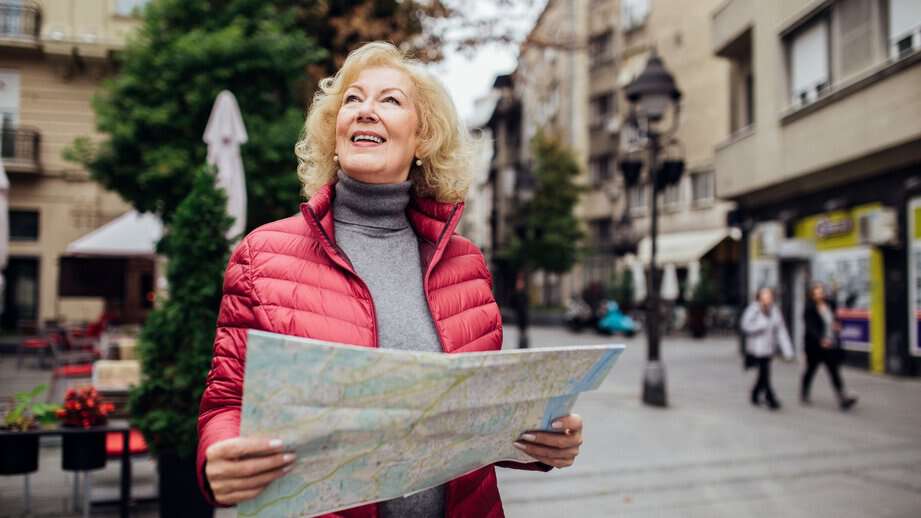
Even if you’ve done your research, looked up as much as possible and thought about every detail of your trip, local customs can still surprise you when you travel abroad. From realizing free water at restaurants isn’t always a thing to learning that you have to pay for ketchup, the difference in culture can be a bit of a shock. Some of these surprises are pretty awesome and make the trip better, while others might leave you scratching your head and longing for home. So, how prepared are you for these cultural curveballs? Read up on these cultural adjustments Americans may have to make when they are traveling abroad and see how prepared you really are.
Note: The content of this article does not reflect the Writer’s personal beliefs.
Paying for Condiments
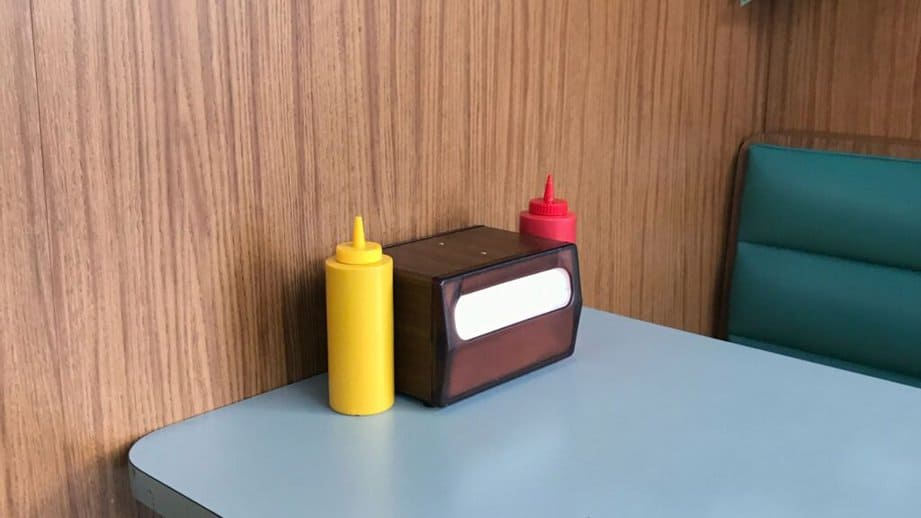
In many European countries, if you want more ketchup or mustard at a restaurant, you might have to pay for it. This might surprise you because, in the U.S., ketchup is usually free, and you can use it as much as you like. In countries like Germany or the Czech Republic, you might have to pay a little money for each small packet of ketchup or mustard. So when you eat out in these countries, be prepared to spend a little more if you like to add lots of sauce to your food.
Quiet Public Transport
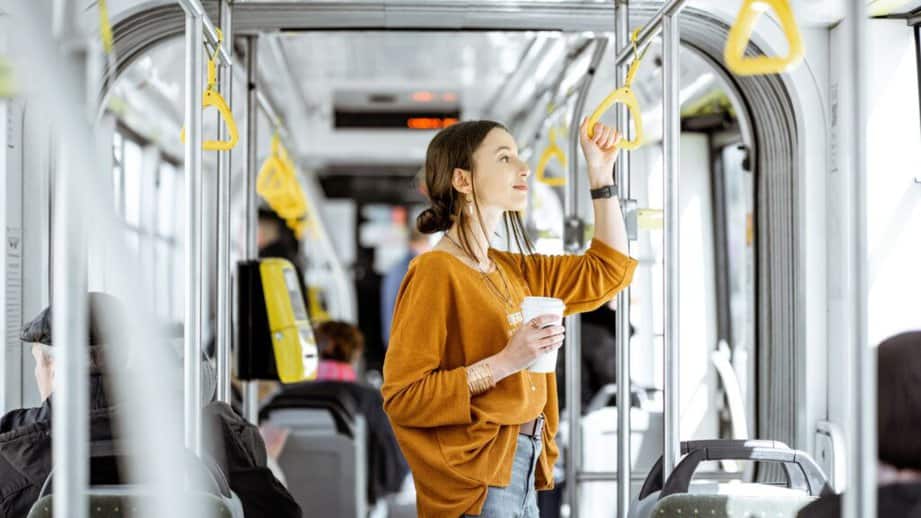
In places like Japan or Switzerland, public transportation is very quiet. People there talk softly or sometimes not at all. This is very different from the buses and trains in American cities, which are often loud. In America, you might hear people talking loudly or listening to music without headphones. But in Japan and Switzerland, everyone is quiet, which helps make the ride peaceful. It is like an unwritten rule that everyone follows to be considerate of others. The best thing you can do while traveling to these countries is keep your voice low when taking public transportation.
No Free Refills
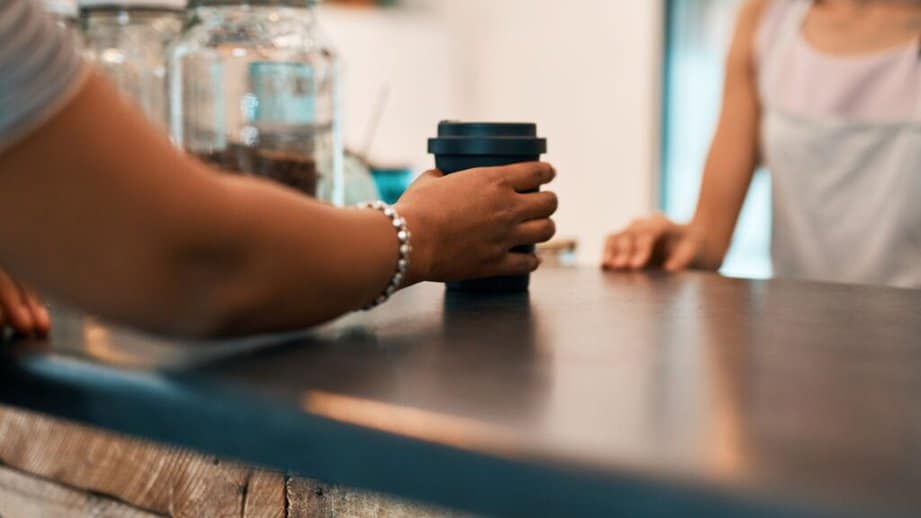
In the U.S., when you eat out, you can often get more soda for free after you finish your first drink. This is called a free refill. However, they do not do this in many places like Europe or Asia. When you are at a restaurant there, you pay for each glass of soda you order. So, if you finish your drink and want more, you must buy another one. This means you might think carefully about how much you drink, enjoying each sip more. It also means you might decide not to have another drink because it will cost you extra money.
Sunday Closures
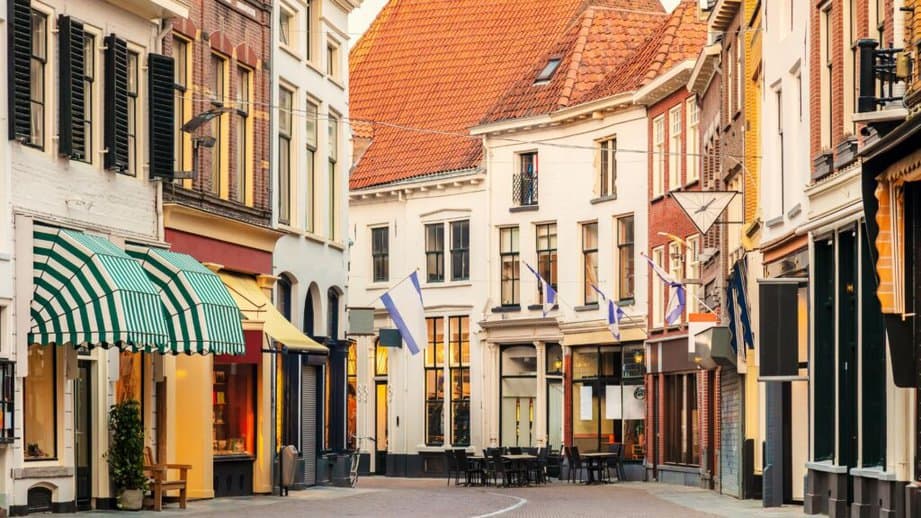
Imagine you plan to go shopping on a Sunday, but when you get there, you find out all the stores are closed. This happens often in many European countries because Sunday is a day to rest, and most shops don’t open. This is very different from the U.S., where Sunday is a busy day for shopping. Since you can’t shop on Sundays in most European countries, it is a good day to do something relaxing instead. You could walk in a park, visit a museum if it is open, or enjoy a quiet day. So, if you are in Europe, remember that Sunday is a good day to take it easy and do something fun outside of shopping. This way, you won’t be disappointed when you see closed store doors.
Paid Public Restrooms
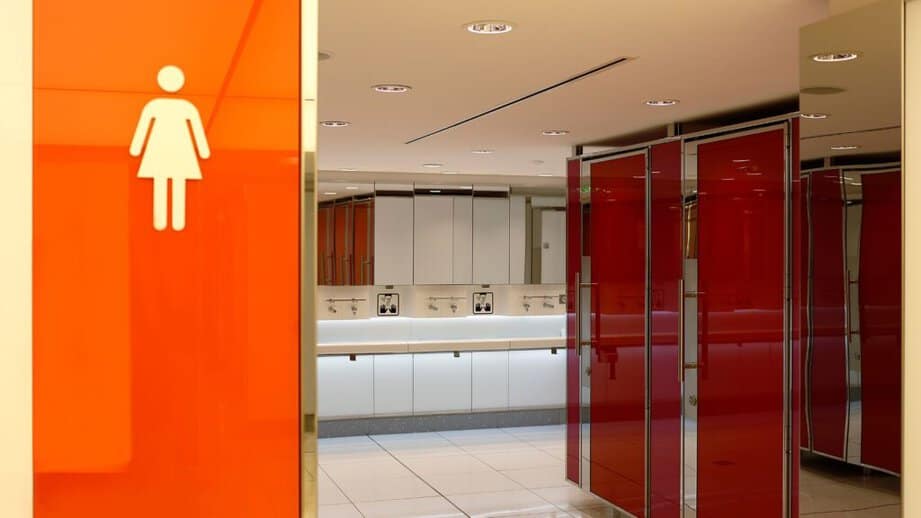
In many parts of Europe, you might have to pay to use a public bathroom at malls or train stations. This can surprise many Americans because, back home, using public restrooms is usually free. In Europe, you often find bathrooms that have a coin-operated gate. This means you need to put a coin in to unlock the door to get in. The money you pay helps keep the bathrooms tidy and stocked with soap and paper towels. It is a good idea always to have some coins when you’re out exploring to be ready if you need to go.
Dining Times

In countries like Spain or Argentina, people eat dinner much later than in the U.S. In the U.S., many people have dinner between 6 PM and 7 PM. But in Spain and Argentina, it is normal for dinner to start at 9 PM or even later. This means that the streets are busy at night, with many people just starting to eat. Going out to eat at this time can be fun because you see how lively everything is. When visiting these countries, try having dinner like the locals do, even if it is later than you are used to. It’s a great way to experience the local culture. Eating late can make your evening more exciting as you join in with everyone else out and about.
Bread Isn’t Free

In the U.S., you often get a complimentary bread basket before your meal at a restaurant. However, in many European countries, this works differently. You might have to pay a little extra if you get bread at your table in Europe. It is not always free like it is back home. So, asking if the bread costs money before eating it is smart. That way, you won’t be surprised when you get your bill and see a charge for the bread. Knowing this can help evade unexpected costs and make your meal more enjoyable.
Less Personal Space

In many parts of the world, people stand closer to each other than we do in the U.S. For example, in countries like Italy or India, it’s normal for people to stand very close to you when you’re in line or talking to them. They are not rude; that’s how they do things there. At first, this might feel strange or uncomfortable because you are not used to it. But it is important to remember that this is how people communicate in some places. Seeing this can be interesting because it shows you how people live differently. It is all part of learning about and understanding new cultures.
Laundry Drying Outside
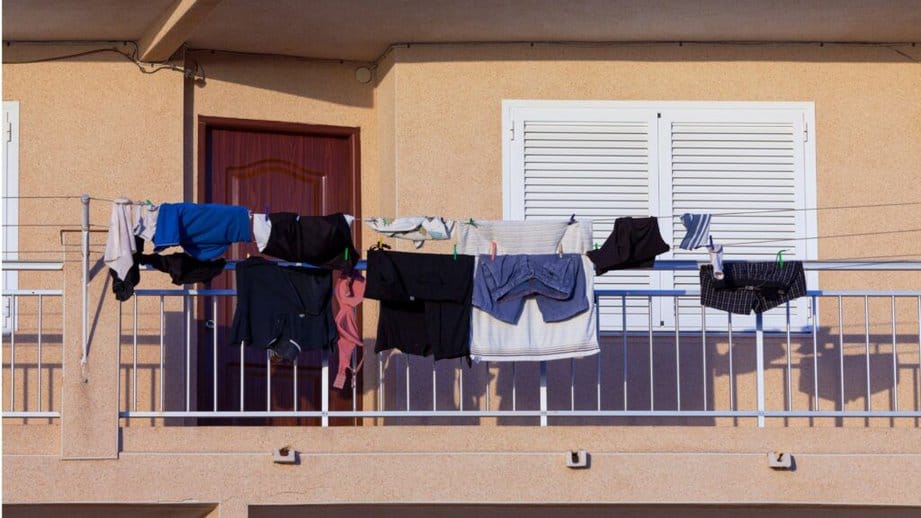
You will often see laundry hanging outside to dry in many places worldwide. Not everyone has a machine to dry their clothes, so they use the sun and the breeze instead. It’s a natural way to get clothes dry. You might notice clotheslines full of shirts, pants, and sheets in the open air, especially in cities, adding bright colors and a lively neighborhood feel, with clothes fluttering like flags on balconies and lines. Drying clothes this way is good for the environment because it uses no electricity. It is also a pretty sight that can make a place seem more homey and welcoming. Seeing all this laundry drying outside might be new and interesting when you visit other countries. It is a simple and charming part of daily life in many parts of the world.
Paying With Cash
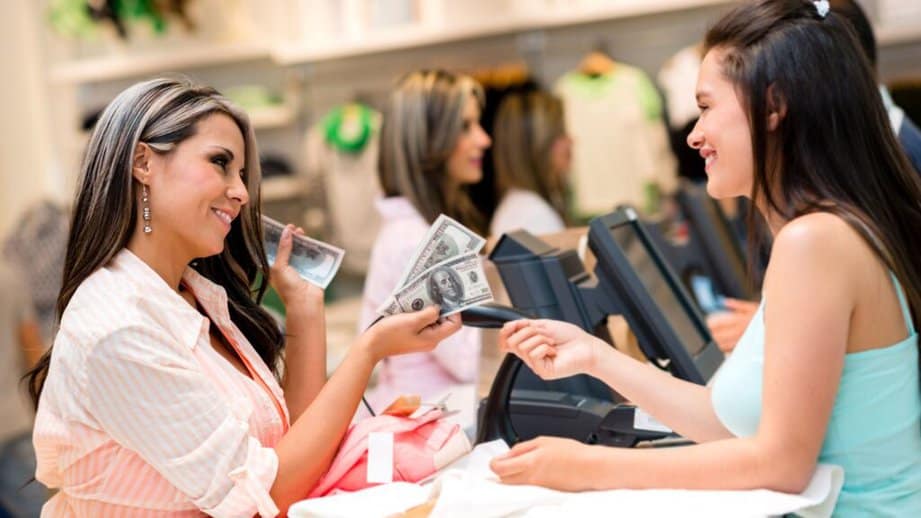
In the U.S., many people use credit cards or their phones to buy things. However, cash is still the most important way to pay in many other countries. For example, some shops and restaurants only take cash in Germany and small towns across Europe. They don’t accept cards at many places. Carrying cash in the local currency is always a good idea when traveling. Cash means you won’t have problems when it is time to pay for something. Remembering this when shopping or eating in smaller or more traditional places is especially important. Carrying cash can help ensure you enjoy your trip without any payment issues.
Removing shoes
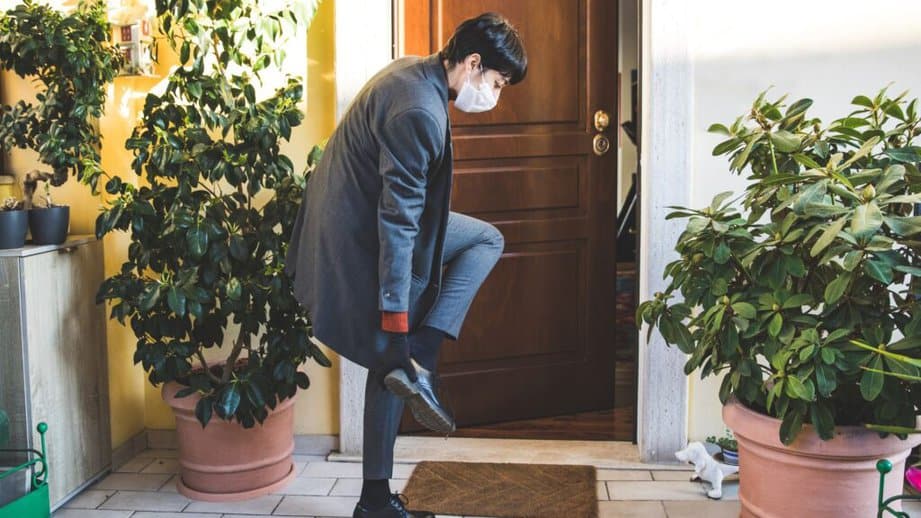
In many Asian countries, people have a polite custom of taking off their shoes before entering someone’s home. This helps keep the house clean because dirt from outside doesn’t get carried in on shoes. When you visit a home, you’ll usually see a place near the door where everyone leaves their shoes. Often, you might even find slippers waiting for you to slip on and wear inside. Taking off your shoes is a way to show respect to the home and people there. It is also more comfortable to walk around inside without shoes. This rule is essential in these countries; following it shows you care about their customs. It feels nice to walk in comfy slippers instead of outdoor shoes!
Different Tipping Customs
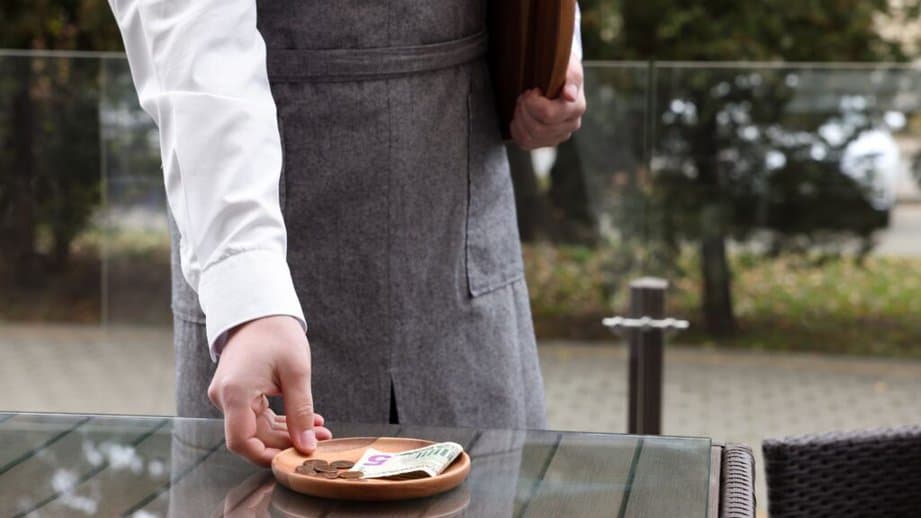
Tipping, or giving extra money for a service, is different in every country. In the U.S., people usually tip at restaurants and for other services. However, leaving a tip can be considered rude in places like Japan. In many European countries, the tip is already included in your bill, so you don’t need to give extra money unless you want to. Decoding the tipping rules of the country you are visiting is a wise idea. This way, you know the right thing to do and won’t accidentally offend anyone. Comprehending these rules helps you be polite and comfortable in a new place.
Mid Day Siestas

Used to a fast-paced, always-open lifestyle, many Americans find it surprising, and sometimes frustrating, to see everything shut down just when they need it. But for locals, siestas are a cherished tradition. These mid day breaks offer time to rest, recharge, and escape the midday heat. Once travelers adjust, they might just realize the beauty of slowing down and taking a well-earned break! Maybe the USA should implement siestas!
Alcoholic Drinks in Vending Machines
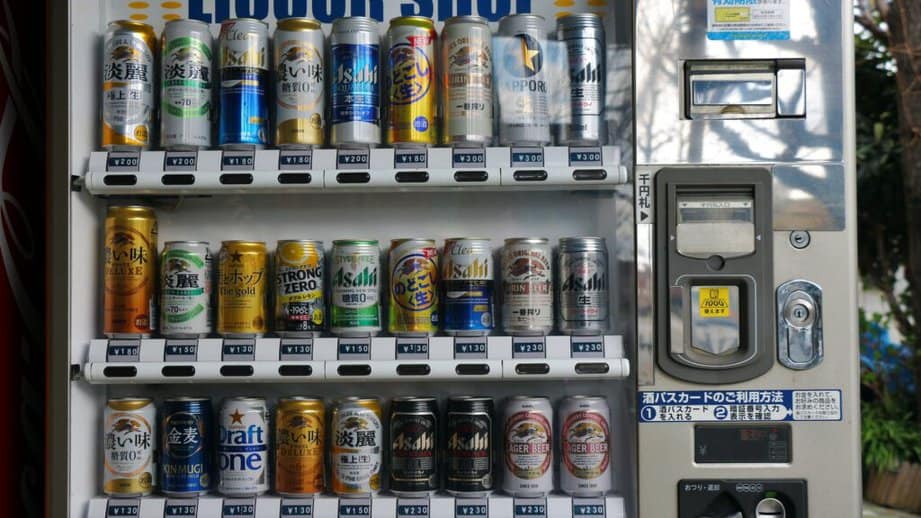
Many vending machines outside of the USA offer alcohol which can be quite a surprise for American travelers, where such convenience is unheard of. Seeing bottles of beer or wine next to snacks and soda feels both novel and a little rebellious. It’s a reflection of Europe’s more relaxed approach to alcohol, where it’s treated as a normal part of life rather than something taboo.
Traveling to new countries is exciting because everyone has different ways of doing things. Each new thing you learn about can make your trip even more fun. Remembering these tips is good because they can help you better understand others and enjoy your trip more. Keep your mind open to learning about new customs from around the world. It is like going on a big adventure where each place has its own set of rules and traditions. Learning and trying these new things makes your travel a great adventure.