

The Interesting Reason Why Finnish Parents Don’t Immediately Name Their Babies
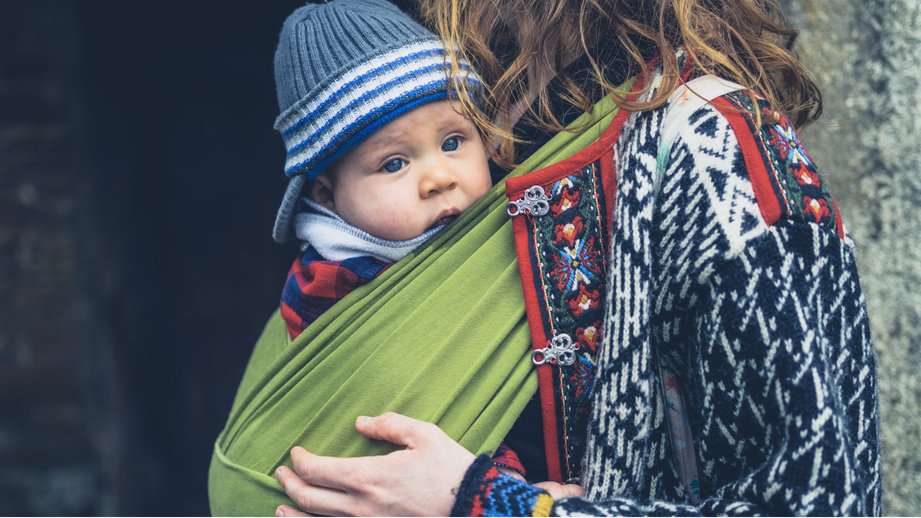
Many babies receive their names before they are born. Most of the world is quick to name a child, but the opposite is true in Finland. In this special country, parents choose to share their baby’s official name only after the christening, and there are several reasons for this. Check out the mystery surrounding Finnish baby names and why this fascinating tradition is still going strong.
Historical Background
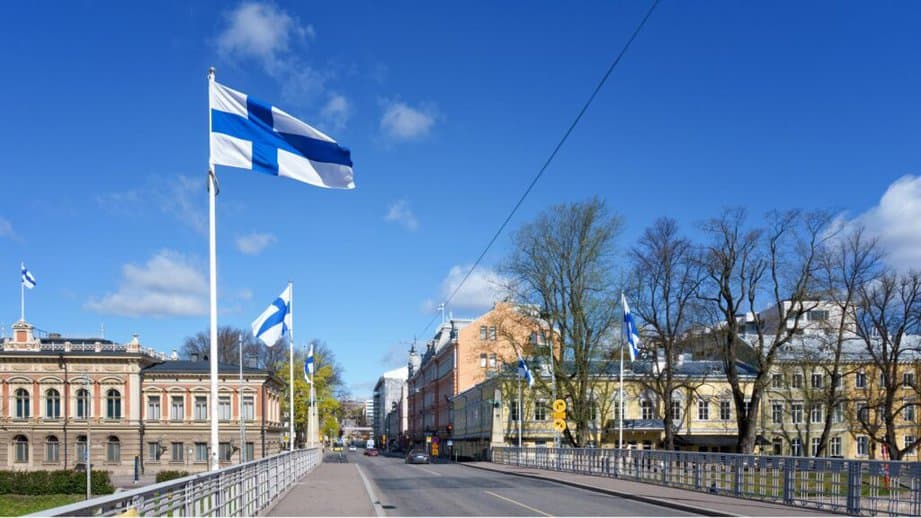
The tradition of waiting to name babies in Finland has historical roots that date back centuries. Historically, Finnish families followed a naming ceremony known as “ristiäiset” or christening, often held months after birth, and this period allowed parents to choose a name that truly fit the child.
Both religious and cultural factors influenced this practice. In earlier times, it was believed that waiting could help protect the child from harm. The naming ceremony became a vital cultural event, marking the child’s official entry into the community.
The Naming Ceremony: Ristiäiset
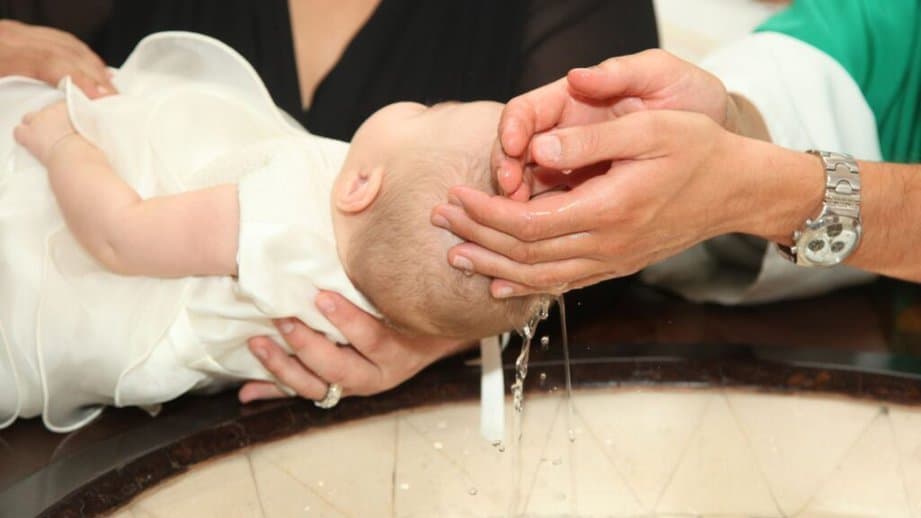
The “ristiäiset” is a cherished tradition in Finnish culture, usually when the baby is between two to six months old. This ceremony involves close family and friends and is often held at home or in a church. It’s a moment of celebration and joy, marking the child’s introduction to the broader community.
The baby’s name is officially announced and entered into the church records during the ceremony. This event is a religious and social milestone, reflecting the importance of community and family bonds. The ristiäiset is a special occasion filled with rituals that honor the child and their place in the family.
Choosing the Perfect Name
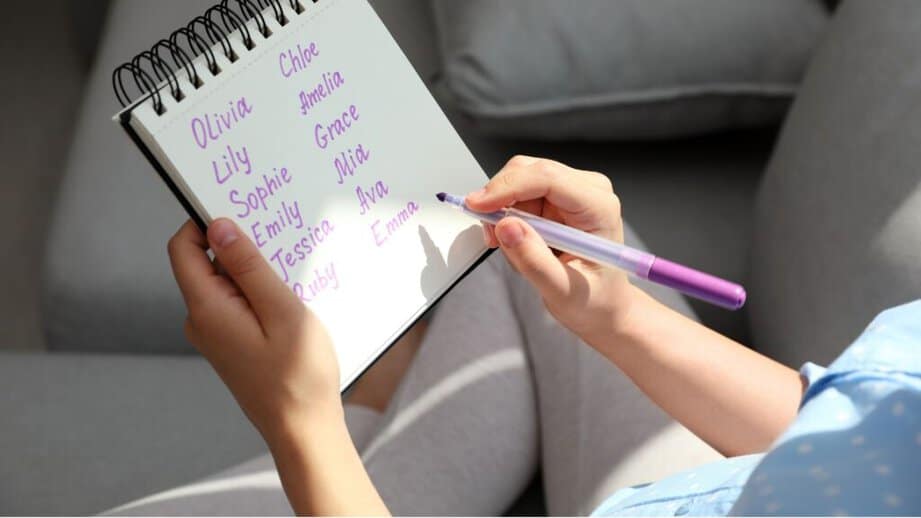
Finnish parents take the naming process very seriously, often spending months deliberating over the perfect name. They consider family traditions, meanings, and how the name will sound. The delay allows them to choose a name that fits the child’s personality.
This thoughtful approach ensures that the chosen name carries significance and resonance. Many parents also look to nature, literature, and Finnish history for inspiration. The chosen name often reflects the parents’ hopes and dreams for their child.
Family Influence on Naming
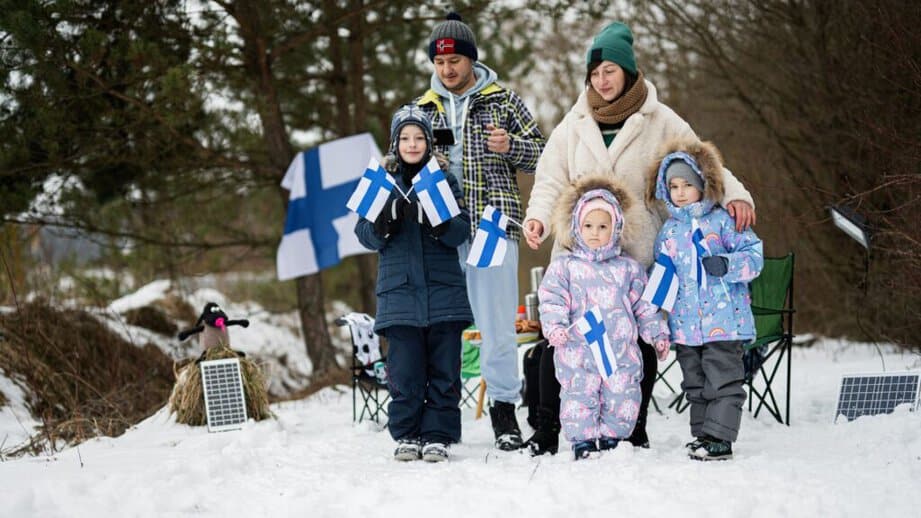
Family plays a crucial role in Finland’s naming process. Names are often chosen to honor relatives, preserving family heritage and traditions. Grandparents and other close family members may suggest names, adding to the sense of continuity and connection.
This collaborative process strengthens family bonds and ensures the child’s name has deep personal significance. It also helps integrate the child into the broader family narrative. Family involvement in naming reinforces the importance of kinship in Finnish culture.
The Role of Religion

Most Finns are Lutherans, and the church has traditionally been involved in the naming ceremony. The christening service is not only a religious event but also a cultural one. The involvement of the church adds a spiritual dimension to the naming process. It signifies the child’s entry into the religious community and bestows blessings upon them. This religious aspect underscores the importance of faith in Finnish naming customs.
Modern Trends and Changes
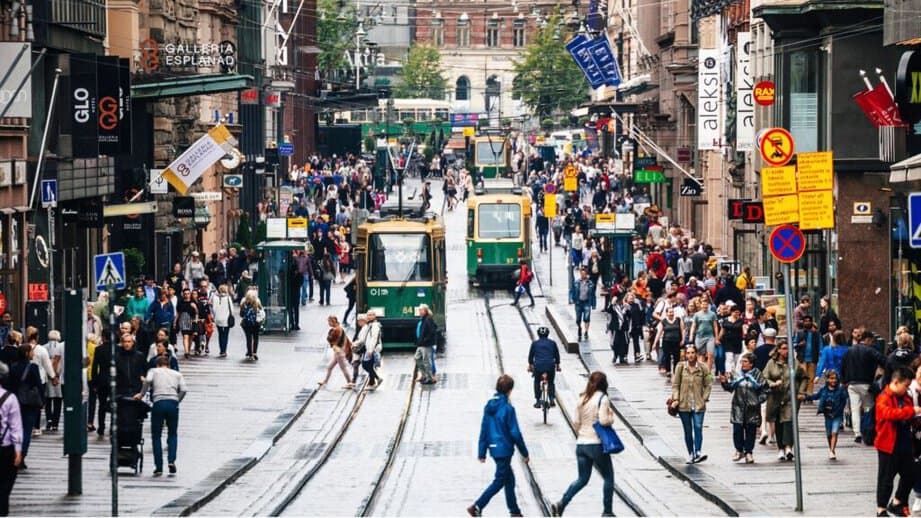
In contemporary Finland, while many families still adhere to traditional naming practices, some opt for more immediate naming. The influence of global cultures and the increasing pace of modern life have led to some changes. However, the core values of thoughtful consideration and family involvement remain strong.
Despite these changes, many Finnish parents continue to appreciate the benefits of waiting. The tradition of delaying naming allows for a more personalized and meaningful choice. It reflects a balance between modernity and tradition in Finnish society.
Cultural Significance of Names
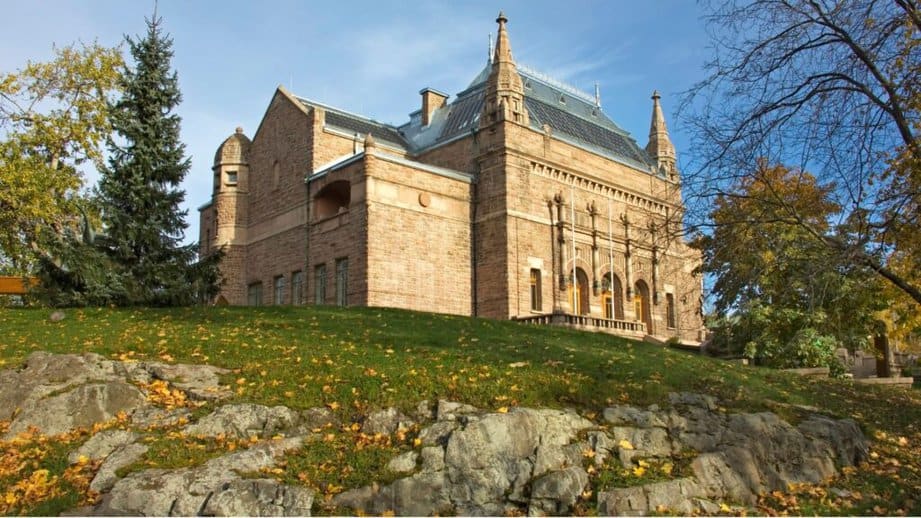
In Finland, names carry profound cultural significance and are seen as more than labels. The naming process is a way to connect the child to their cultural roots and community. Finnish names often have beautiful meanings and are chosen to reflect positive attributes.
The cultural importance placed on names ensures they are selected with care and respect. This deep significance of names is a testament to the value Finns place on heritage and identity.
Legal Aspects of Naming

Finnish law requires a child to be named within two months of birth. This legal framework ensures every child has an official identity within a reasonable time. Parents must register their names with the local magistrate, formalizing the process.
This legal requirement balances the tradition of delayed naming with practical administrative needs. It ensures the child has a legal identity and can be included in official records. The process is straightforward but underscores the importance of a thoughtful naming decision.
Names and Identity
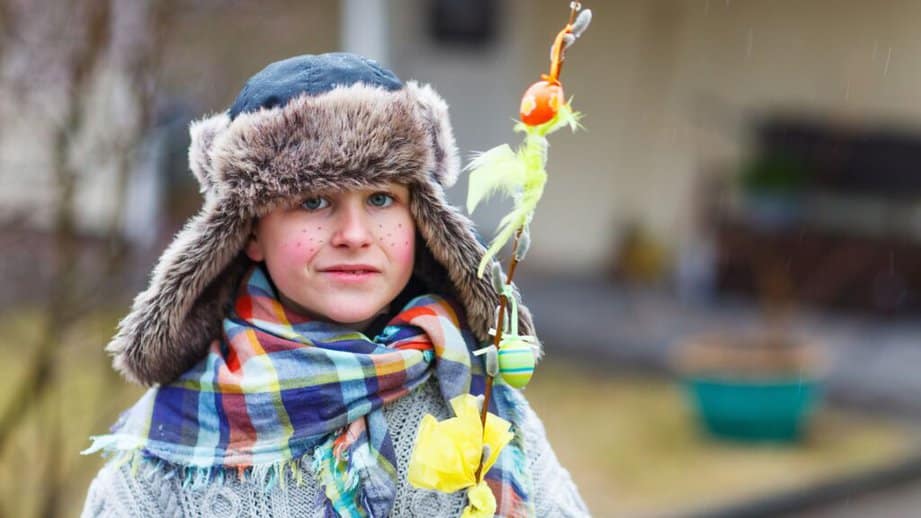
For Finns, a name is closely tied to one’s identity and self-perception. The thoughtful process of choosing a name helps foster a strong sense of self from an early age. Names are seen as a reflection of the individual’s personality and place within the community.
The delay in naming allows parents to observe and understand their children better. This connection between name and identity is deeply ingrained in Finnish culture. It emphasizes the importance of giving a name that truly represents the person.
Community Involvement
The naming ceremony is not just a family event but a community celebration. Friends, relatives, and community members often gather to celebrate the new addition. This communal aspect highlights the collective joy and support surrounding the child.
Community involvement in the naming process fosters a sense of belonging and mutual support. It reinforces the idea that raising a child is a shared responsibility. This communal spirit is a cherished aspect of Finnish life.
Embracing Tradition
The Finnish tradition of delaying baby naming is a unique cultural practice that reflects deep values and thoughtful consideration. It highlights the importance of family, community, and identity. By embracing this tradition, Finns ensure that each child’s name is chosen with love and meaning.
Would Delayed Naming Happen in the US?

Do not expect delayed naming to be a trend in the United States. Most American parents reveal a babies name before the baby is even born. Plus, many US hospitals require parents to give the baby a legal name before they are allowed to leave the building. Waiting to name a baby is next to impossible. If a parent in the US is intrigued by delayed naming, they may nee dto move to Finland!
While different from many global customs, this practice offers valuable lessons in patience and intentionality. It underscores the idea that a name is more than just a label – it’s a significant part of a person’s identity. Embracing this tradition can enrich our understanding of the cultural diversity in naming practices.


