

I’m Over 60 And I Seriously Regret Making These 16 Financial Mistakes

I truly believe that with age comes wisdom. This is especially when it comes to relationships, home life, and even money. Now that I’m 60, I’ve learned a ton about managing my finances and making my money work smarter, not harder. I’ll admit, I made some pretty big money mistakes when I was younger, but those lessons have made me more financially savvy today. I wanted to share these financial blunders from my youth so you can avoid the same serious errors. Learn from my experiences, and you’ll be way ahead of the game!
Note: The content of this article is for informational purposes only and is not a substitute for professional advice. Always consult with a qualified professional for advice tailored to your individual circumstances.
Neglecting Inflation-Protected Securities

I ignored inflation-protected securities like Treasury Inflation-Protected Securities (TIPS), not realizing their importance. These securities adjust for inflation, preserving purchasing power over time. Incorporating them into my investment portfolio has provided a hedge against inflation, helping maintain the value of my savings in a fluctuating economy. Understanding and utilizing inflation-protected securities can safeguard your financial future.
Overlooking Roth Conversions
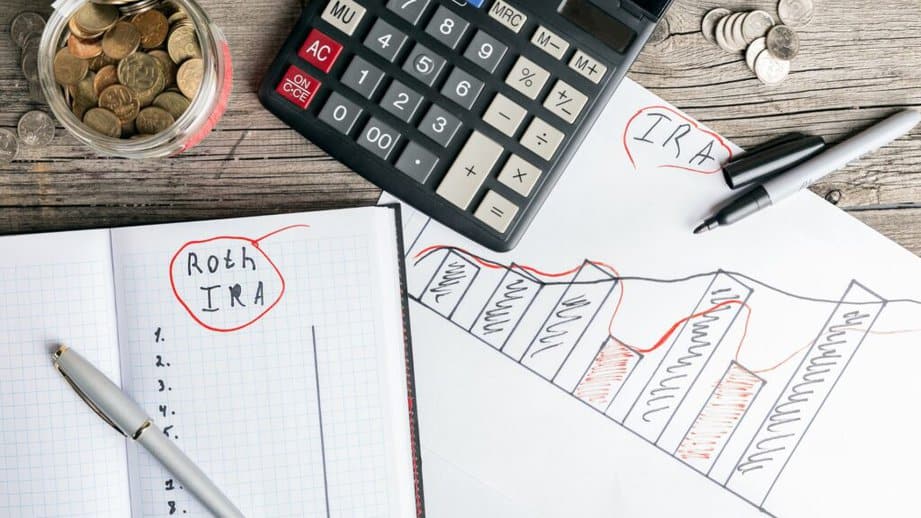
For years, I focused solely on traditional retirement accounts, missing out on the benefits of Roth conversions. Converting some funds to a Roth IRA allows for tax-exempt growth and withdrawals, which can be beneficial in retirement. This strategy has diversified my tax liability and provided more flexibility in managing my retirement income. Roth conversions can be wise for long-term tax planning, increasing your retirement income, and providing more control over your taxes.
Ignoring Charitable Contributions from IRA

I wasn’t aware that once you reach 70½, it is possible to make Qualified Charitable Distributions (QCDs) directly from your IRA. This can satisfy your required minimum distributions (RMDs) without increasing your taxable income. Utilizing QCDs has allowed me to support causes I care about while benefiting my tax situation. Charitable giving through your IRA can be a win-win for you and your community.
Forgetting to Review Beneficiary Designations

I should have noticed the importance of regularly reviewing and updating beneficiary designations on my financial accounts. Outdated beneficiary information can cause legal complications and prevent assets from being distributed according to my wishes. I now make it a point to review these designations annually or after significant life events. Keeping beneficiary information current is crucial for ensuring my assets are passed on correctly and can prevent potential legal issues for your heirs.
Not Utilizing Health Savings Accounts in Retirement
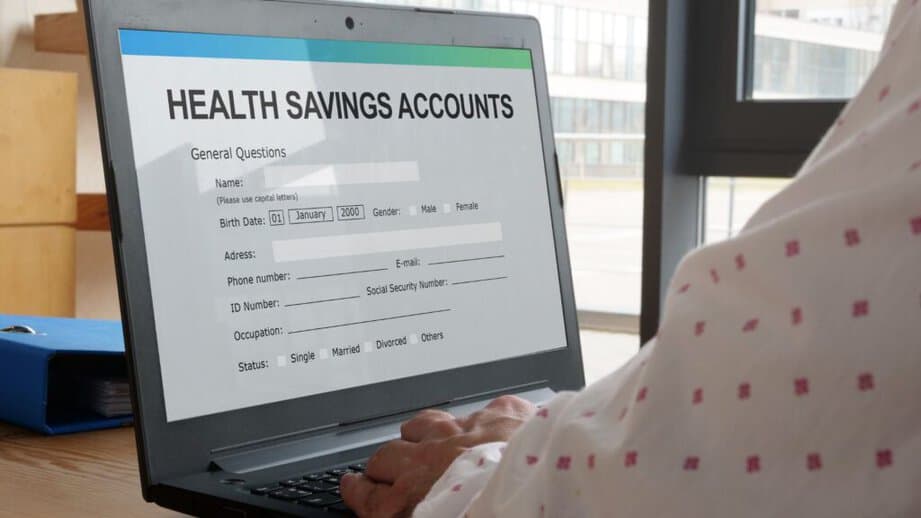
I underestimated the value of Health Savings Accounts (HSAs) beyond paying for current medical expenses. HSAs offer triple tax benefits: contributions are deducted by tax, income grows tax-free, and withdrawals for qualified medical expenses are tax-free. Using HSAs strategically in retirement has helped cover healthcare costs and reduced my taxable income.
Overlooking the Impact of Sequence of Returns Risk

The sequence of returns risk can significantly impact your retirement savings depending on the order of investment returns. Early negative returns can deplete your portfolio more quickly. I manage this risk by maintaining a diversified portfolio and holding a cash reserve to cover expenses during market downturns. Understanding and mitigating the sequence of returns risk is crucial for sustaining your retirement funds.
Neglecting to Optimize Social Security Benefits

I initially claimed Social Security benefits early and needed to understand the long-term implications fully. Delaying benefits can lead to significantly higher monthly payments. I’ve since adjusted my strategy to maximize my benefits, which has provided greater financial security. It’s essential to plan your Social Security timing carefully. Consulting with a financial advisor can also help you make informed decisions and ensure you’re optimizing your benefits for the future.
Ignoring the Need for Long-Term Care Planning

I hadn’t fully considered the potential long-term care costs and their impact on my savings. Whether through insurance or savings, planning for long-term care is essential to protecting your assets and ensuring quality care. Addressing this need has brought peace of mind and financial security. Preparing for long-term care is a vital aspect of retirement planning.
Underestimating the Power of Tax-Loss Harvesting

Tax-loss harvesting comprises selling investments at a loss to offset gains and reduce taxable income. I initially overlooked this strategy, missing out on potential tax savings. Implementing tax-loss harvesting has optimized my investment returns and lowered my tax bill. It’s a valuable technique for managing taxable investment accounts and can enhance your overall investment strategy.
Overlooking Estate Planning for Digital Assets

Including digital assets in your planning is vital in the digital age. I neglected to consider this, leading to potential complications for my heirs. I’ve since documented my digital assets and provided instructions for accessing them. Proper estate planning should encompass all assets, including digital ones. Ensuring your digital legacy is managed is essential to comprehensive estate planning.
Not Accounting for Required Minimum Distributions
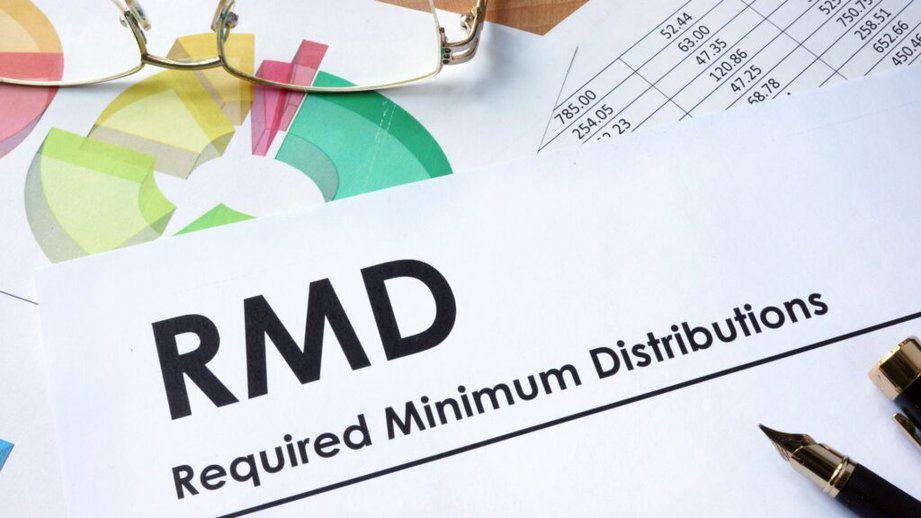
I underestimated the complexity and tax implications of Required Minimum Distributions (RMDs) from retirement accounts. Planning for RMDs in advance helps manage tax liability and avoid penalties. I now incorporate RMDs into my retirement strategy, ensuring compliance and tax efficiency. Proper planning for RMDs is essential for maintaining financial health in retirement.
Overlooking the Benefits of Downsizing

I delayed downsizing my home, not realizing the financial and lifestyle benefits it could bring. Downsizing can reduce maintenance costs, free up equity, and simplify life. This change has improved my financial situation and enhanced my quality of life. Considering downsizing can be a smart financial move in retirement. Additionally, a smaller home often means lower utility bills and property taxes, further contributing to financial savings.
Not Working On A Passive Income

Here is what’s going to make you rich, hopefully! Passive income! This is one of the most common mistakes freelancers make. Once you get a job that ensures you have enough money for survival, with the extra time you get, you should start working on a passive income stream. This can be anything. Publish a book, offer a course in whatever you know best… be creative! Just ensure to work on something that will bring you continued revenues throughout the months without you having to do much.
Not Creating a Budget

If you have no budget, you will spend all your money. While this isn’t the case for everyone, in most cases, if you don’t plan what you will spend, you will arrive at the end of the month with zero dollars left in your bank account. So, plan your expenses! On average, I now use the 50-30-20 rule. Fifty percent of your earnings should go for essential expenses such as rent and food. Thirty for everything else you love, and twenty for savings.
Ignoring Taxes

Taxes take up a huge portion of your income. While most people only think about taxes once a year, you really need to consider taxes all year long. From home taxes to car tax to income tax, those little fees add up to big amounts. Understanding how taxes work and budgeting properly will help you save a lot of money. You will be glad you planned with taxes in mind, especially when retirement comes around!
Not Planning for Inflation

Ignoring inflation when budgeting was one of my biggest money mistakes. I used to plan my finances based on current prices, never factoring in how costs would rise over time. When prices for everyday items started creeping up, I found myself scrambling to adjust, which threw off my entire budget. Now, I always plan with inflation in mind, making sure I leave room for those inevitable increases and this is a lesson I won’t forget!
Reflecting on these lesser-known financial mistakes of your life can help you learn from them and make sound decisions, resulting in growth. I am financially stable today and have the peace of mind to make more informed decisions. These financial mistakes will act as a building block for your journey to make smarter decisions moving forward. It is never too late to improve your financial habits. Start today and make yourself financially stable.


