

Discover What All Your Cat’s Meows Really Mean
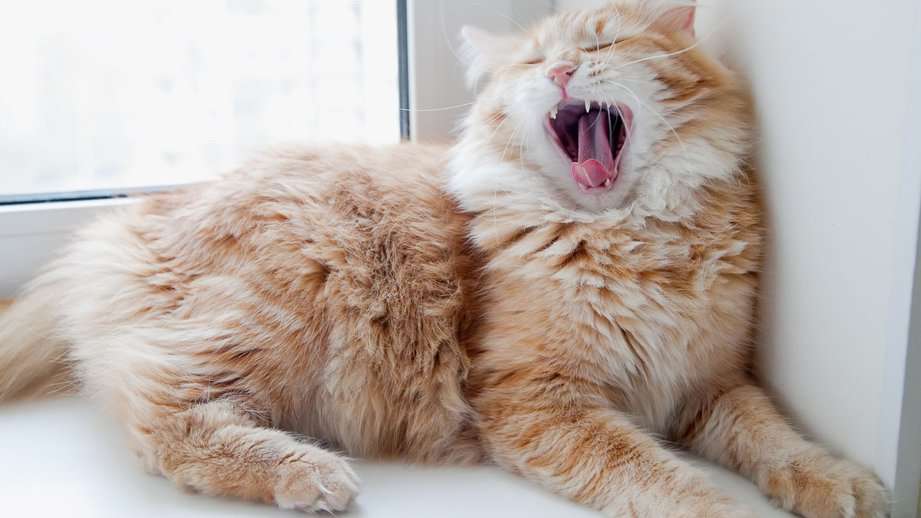
Is your cat meowing non-stop, leaving you wondering what’s up? Or maybe they suddenly have a deep, throaty meow that you have never heard before. Well, they might be trying to tell you something important! Decoding your cat’s meows is key to understanding their wants and needs. While every kitty has its unique “voice,” there are a few common meows worth learning. By tuning in and really listening, you’ll not only become a better caretaker for your pretty kitty but also strengthen the special bond you share with your fluffy little pet. Let’s uncover the secrets behind those meows so you can really start communicating with your cat!
Note: The content of this article is for informational purposes only and is not a substitute for professional advice. Always consult with a qualified professional for advice tailored to your individual circumstances.
The Hunger Meow

If your cat’s meows are persistent and demanding, they might be trying to let you know it’s mealtime. Cats often use a specific type of meow to signal their hunger. This meow is usually repetitive and can escalate if you don’t respond quickly. They might also follow you around the house or sit by their food bowl, clarifying their intentions.
Seeking Attention

Cats are social creatures; sometimes, they meow simply because they crave attention. If your cat’s meows are high-pitched and persistent, they might feel lonely or bored. They may want to play, be petted, or spend quality time with you. Engaging your cat in interactive play or spending extra time petting them can help satisfy their social interaction needs.
The Greeting Meow

When you come home, your cat might greet you with a series of friendly meows. This is their way of saying, “Hi, I missed you!” Greeting meows are usually more cheerful and less demanding than other types of meows. They can vary in tone and frequency, but they’re typically a positive sign that your cat is excited to see you.
The Outdoor Request

If your cat meows at doors or windows, it might ask to go outside. Outdoor meows can be quite persistent and are often accompanied by pacing or sitting near the exit. If you’re uncomfortable with your cat going outside, consider providing alternative forms of enrichment, such as window perches, outdoor cat enclosures, or interactive toys that simulate hunting.
Health Warnings
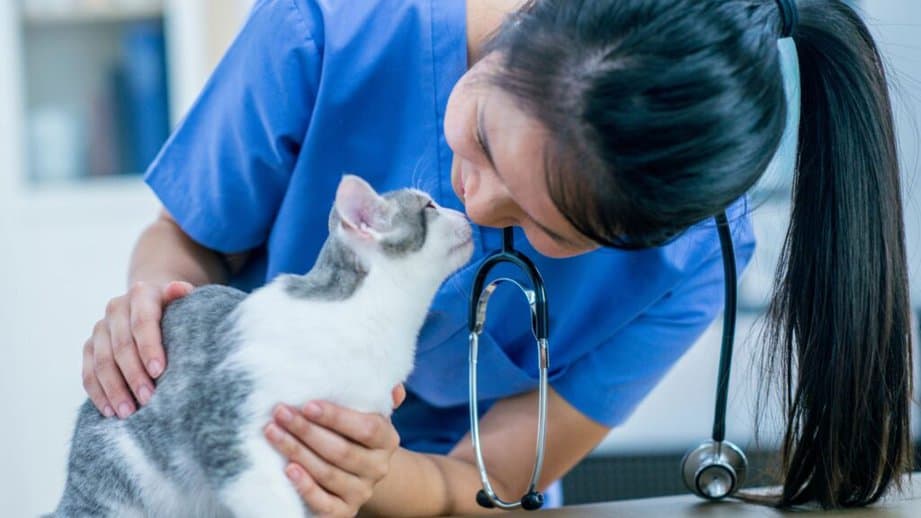
Sometimes, excessive meowing can be a sign that your cat is unwell. If the meowing is sudden, sounds like howling, and is accompanied by noticeable behavioral changes, such as not eating or drinking or changing litter box habits, it’s worth checking in with your vet. Illness-related meows might sound different from their usual vocalizations and indicate discomfort or pain.
Stress Meows

If there is a new stressor or unfamiliarity in the environment, meows might reflect stress or anxiety. If your cat is meowing excessively after a move, the introduction of a new pet, or a change in routine, they might feel anxious. Stress-related meows can be loud and frequent. To help ease your cat’s anxiety, create a calm environment, provide hiding spots, and use calming pheromone diffusers.
Playtime Meows

When your cat is in the mood for fun, it might use a specific type of meow to get your attention. Playful meows are usually upbeat and can be accompanied by playful behavior, like pouncing or batting at toys. If your cat is meowing during playtime, it’s likely trying to engage you in its favorite activity. Interactive toys and regular play sessions can keep your cat entertained.
Bathroom Reminder

Occasionally, cats meow to let you know they need to use the litter box. This can be especially common if the box is dirty or if there are any issues with its accessibility. If they are meowing around or next to the litter box or seem to be asking for help, check the cleanliness of the box and make sure it’s placed in a quiet, accessible location.
The Mating Call
Unspayed or unneutered cats might meow more frequently during mating season. These meows are typically louder and more persistent; other behaviors like yowling or pacing can accompany them. If your cat is exhibiting these signs and isn’t fixed, consider discussing future options with your vet. Getting them spayed or neutered can help deter this unwanted meowing.
The Curious Meow
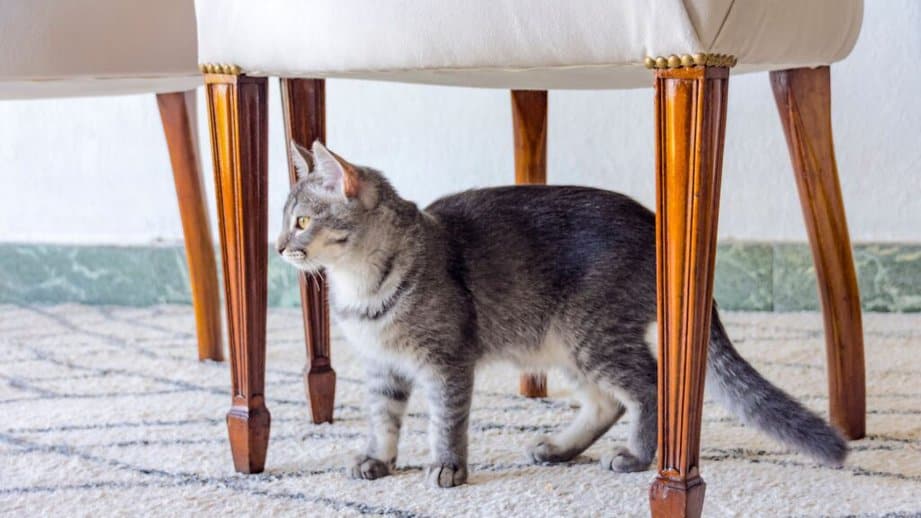
Cats are naturally curious creatures; their meows can sometimes signify their inquisitive nature. If your cat is meowing while exploring a new object or area, they might be seeking attention or trying to figure out what’s going on. These meows are often more exploratory and less intense. Providing your cat with safe spaces to explore and interact with can satisfy their curiosity.
Fearful Meows

Fearful meows are often high-pitched and urgent. They might occur if your cat is startled by a loud noise, a new person, or another animal. These meows indicate that your cat is feeling scared or threatened. To help alleviate your cat’s fear, offer them safety and a place to feel secure. Avoid forcing interactions, and give your cat time to calm down and be reassured.
Age-Related Meows

As cats age, they might meow more frequently due to cognitive changes or confusion. Older cats can experience conditions like feline cognitive dysfunction syndrome, which affects their memory and behavior. Aging-related meows might be more random or disoriented. If your senior cat’s meowing seems out of character, consult your vet to rule out any medical issues.
Animal Alert

Has your cat ever started to let out short little chatter-like meows when they see a bug or other small animal? This is very common for all different types of cats. Cats sometimes try to “talk” to other small animals in high-pitched, short meows. Those meows are completely harmless and typically mean that your pet is excited and interested in the moving animal that they see.


