

14 Instant Ways to Improve Your Mental Health and Stop Anxiety

Stress and anxiety can creep up on anyone, taking a toll on your mental health, but a few easy mental health exercises can make a world of difference. No fancy tools or special skills are needed to do these simple things, and you can do them anytime and anywhere. These quick practices are designed to help you refocus, find calm, and make even the most hectic days feel a little more manageable. Whether you’ve got two minutes or twenty, there’s something here to help you breathe easier and feel more grounded.
Note: The content of this article is for informational purposes only and is not a substitute for professional advice. Always consult with a qualified professional for advice tailored to your individual circumstances.
Practice Meditation
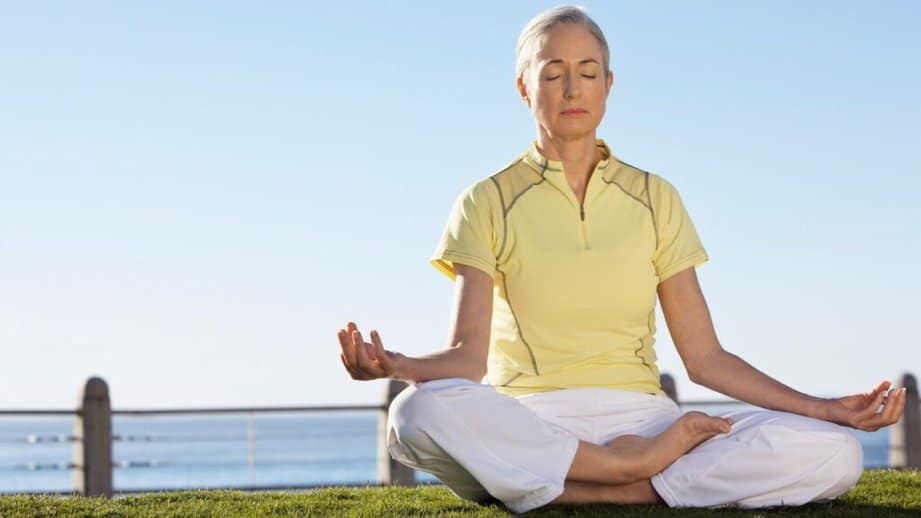
Meditation is a great way to calm your mind. You can start by finding a personal quiet place. Sit quietly for a few minutes and focus on your breathing. If your mind wanders, that’s okay. All you need to do is bring your focus back to your breath. Meditation helps reduce stress by slowing down your thoughts. You don’t need to meditate for long. Even five minutes can help. It is about being present and giving your mind a break. You can use apps or videos if you are new to it. Meditation is a simple way to clear your mind and feel more at peace.
Perform Breathing Exercises

Breathing exercises are an easy way to curb your stress. They work by helping you focus on slow and deep breaths. You can start by slowly inhaling through your nose. Now, hold for a few seconds and exhale through your mouth. Repeat this a few times until you feel calmer. Deep breathing helps your brain to relax. It is easy to do anywhere, whether at home or in the middle of a busy day. If you feel anxious, take a moment to breathe deeply. It is a simple but powerful tool for calming your mind.
Limit Screen Time

We spend a lot of time looking at screens, whether it’s our phones, computers, or TVs. But too much screen time, especially scrolling through social media, can leave you feeling anxious or drained. Take breaks from your screens throughout the day, and be mindful of how they make you feel. If social media is making you compare yourself to others or feel down, it’s okay to log off for a while. Disconnecting from screens and spending more time in the real world can help you feel more present and balanced.
Improve Your Vocabulary

Working on your vocabulary can be a calming and educational activity. Start with a daily word—find its meaning, pronunciation, and how to use it in a sentence. You can use books or apps to help you learn new words. Using your new words in conversations or writing can make learning fun. As you focus on words, your mind stays active and engaged, which keeps stress at bay. This activity boosts your confidence and can be quite satisfying as you see your progress.
Learn New Skills

Learning something new like cooking or drawing. Or you can take up an exercise hobby like playing a sport. When you focus on learning, you can’t think about your worries simultaneously. Start with small, attainable goals to keep yourself motivated. As you improve, you will gain confidence, which naturally reduces anxiety. Learning also makes you feel accomplished, which is a great mood booster. Opt for activities that you find fun and engaging to get the best stress-relief benefits.
Try Different Board Games

Board games are exciting and a great way to take your mind off stress. They help you focus on something enjoyable and make you think creatively. Playing games like chess or Monopoly can bring joy and a sense of accomplishment. It is not just about winning. Board games are about spending quality time with others. These games also help improve your problem-solving skills. They offer a break from daily worries and help you stay in the moment. Give a board game a try when you need a mental break.
Socialize

Talking and spending time with friends and family can significantly reduce stress. Sharing your thoughts and listening to others helps you feel connected. Plan regular meet-ups or calls. Socialize virtually when it’s difficult for you to manage personally. Social interactions can distract you from your worries and uplift your spirits. Laughter and good conversations lower stress and make you feel happier. Remember, choosing supportive and positive people to spend time with is important.
Read Books

Reading books can be a calming activity that helps you escape from stress. It gives your mind a break by taking you to different places and stories. Reading can bring a sense of comfort. It is an activity you can do anywhere. You can read at home or in a park. Some even read books during office breaks. Books help you focus on something other than daily worries. You can start with short chapters if you find it hard to concentrate. Reading regularly can also improve your mood over time. It’s a peaceful way to reduce anxiety.
Play an Instrument

Playing a musical instrument can be very calming. It helps you focus and express yourself, which can ease stress. You don’t need to be an expert. Just playing for fun is enough. Instruments like the guitar, piano, or even a simple flute can bring joy. Music is a way to let out emotions in a positive way. It is okay if you are still learning; the process itself can be calming. Try to play a little each day. Music helps clear your mind and can be an excellent tool for relaxation.
Listen to Your Favorite Music

Listening to your favorite music is one of the easiest ways to lower stress. It can lift your mood, calm your mind, or even make you feel more energetic. Choose songs that make you feel good, whether they are upbeat or slow and relaxing. Music can help you feel more connected to your emotions. Enjoy the playlist of songs that bring you peace. Try closing your eyes and focusing only on the music for a few minutes. It is a simple way to manage stress.
Learn a New Language

Learning a new language can be a helpful mental exercise. It keeps your mind busy in a positive way, taking your focus off stress. You can join a course that teaches sign language. You can even check out some online courses if you don’t have time. Learning a new language brings a sense of achievement and boosts your mood. You don’t need to aim for fluency. Just enjoy the progress you make. Learning something new can help you see challenges differently. It is a fun way to build mental strength and reduce anxiety.
Practice Mindfulness

Mindfulness is about paying attention to the present moment. It helps you focus on what’s happening right now. You learn not to focus on worries or past regrets through mindfulness. You can start by simply noticing your breathing or the sounds around you. Mindfulness reduces stress by bringing your mind back to the present. You don’t need special tools. Just find a quiet space. Even a few minutes of mindfulness can make a difference. It is a simple way to clear your mind. Try to make mindfulness a daily habit if you want to live stress-free.
Spend Time in Nature

Spending time in nature is like a reset button for your mind. The fresh air, soothing sounds, and natural beauty can lower stress hormones, calm racing thoughts, and ease anxiety. You can walk through a forest, sit by the ocean, or simply relax in a park; being surrounded by greenery and fresh air helps you feel grounded and connected. There is something magical about being in nature that boosts your mood and improves focus. It’s a simple, powerful way to recharge and find peace in the chaos.
Take a Walk

Have you ever noticed how a rhythmic walking movement regulated your breathing and calmed your nervous system? As you stroll, your brain unwinds, which can improve your mood and clear your mind. Walking outdoors adds extra benefits, as the fresh air and natural surroundings help you feel more grounded and present. Even a short walk can leave you feeling refreshed, focused, and better equipped to take on the day!
Reducing stress and anxiety doesn’t have to be complicated. These mental health exercises are easy to try and can fit into your daily routine. Whether it’s through breathing exercises, playing games, or practicing mindfulness, each step helps you feel better. You need to find what works best for you. It is okay to start small and build from there. With these exercises, you can bring more peace into your life.


