16 Lessons Every Good Parent Should Teach Their Kids Early

Parents have a lot to teach their children, from basic life skills to deeper values and lessons that shape their character and future. There is so much knowledge to pass along that it can seem impossible to tell them all they need to know! However, amidst the endless list of things to impart, there are a few crucial lessons that every parent should focus on teaching their kids. Providing your child with this essential knowledge not only equips them with the tools to navigate life but also prepares them to face and overcome whatever challenges life may present with confidence and resilience!
Digital Ninjas

In today’s digital age, understanding technology is crucial; it is essential to instruct children on safe internet navigation. Explain the importance of safeguarding personal information and the risks of sharing it online. Encourage them to question the information’s credibility and recognize cyberbullying and other online threats. Plus, make sure they don’t waste their lives on social media.
Feelings Matter

Emotional intelligence (EI) involves comprehending and regulating emotions; role-playing different activities can be a fun and effective way to develop EI. This skill helps children build healthy relationships, empathize with others, and handle stress effectively. Please encourage your little ones to express their feelings and teach them to recognize others’ emotions.
Think Big
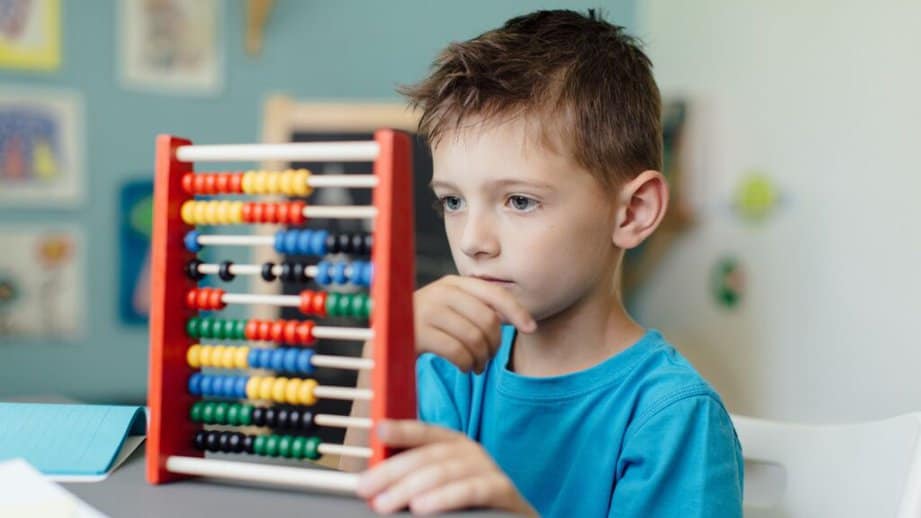
Critical thinking is the skill of evaluating information impartially and making reasoned judgments. Teach your children to ask inquiries, question everything, gather information, and consider various perspectives before making any decision. Encourage them to solve problems independently by brainstorming solutions and evaluating their effectiveness.
Financial Wizards

Understanding money management is crucial; instruct your children on the fundamentals of budgeting, saving, and investing. Make them money smart by explaining the value of money and the importance of making informed economic decisions. Involve your children in household budgeting; practical activities like managing a small allowance or saving for a toy can make these lessons more tangible.
Food Heroes

With the boom of processed meals and fast food, teaching your children about healthy eating is essential. Describe the advantages of a nutritious diet that includes fruits, veggies, grains, and lean proteins. Engage them in planning and preparing meals, instill healthy habits early on, and create a strong foundation for their health and well-being. Don’t forget to encourage them to drink plenty of water.
Green Guardians
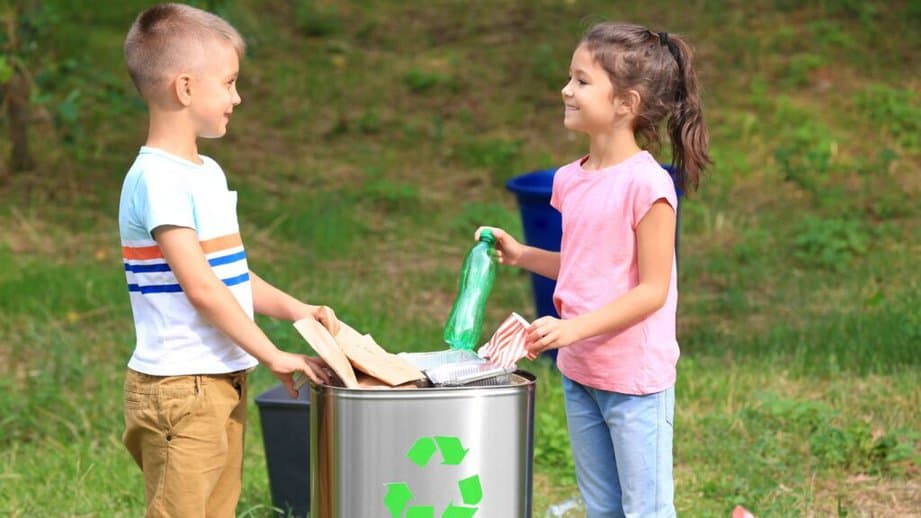
Environmental consciousness is vital for the future of our planet. Teaching children the importance of recycling, conserving energy, and reducing waste makes them aware of their environmental responsibilities. It also encourages them to appreciate nature and recognize how their actions affect the environment. Simple activities like planting a tree or participating in a community clean-up can be very impactful towards being eco-responsible.
Chat Champs

Good communication skills are important for personal and professional success. Teach your children to express themselves clearly and listen actively; practice conversations and role-play different social situations to help them become more confident talkers.
Acknowledge and celebrate your children’s efforts and progress, not just their achievements; this boosts communication skills and encourages a growth mindset.
World Citizens

Respecting and understanding different cultures and perspectives is crucial in our diverse world. Ensure your home is a place where children feel safe expressing themselves and learning, and teach your children to be open-minded and tolerant about other cultures and traditions.
Promote inclusivity by exposing them to diverse experiences and people to foster reverence and patience.
Time Titans

Time management is an asset that will benefit children throughout their lives. It teaches them to set goals, prioritize tasks, and manage their time efficiently. Use planners or digital calendars to help them organize their schedules and responsibilities; let them master the clock to develop a culture of punctuality in your home and ensure they will never miss a deadline.
Junior Medics
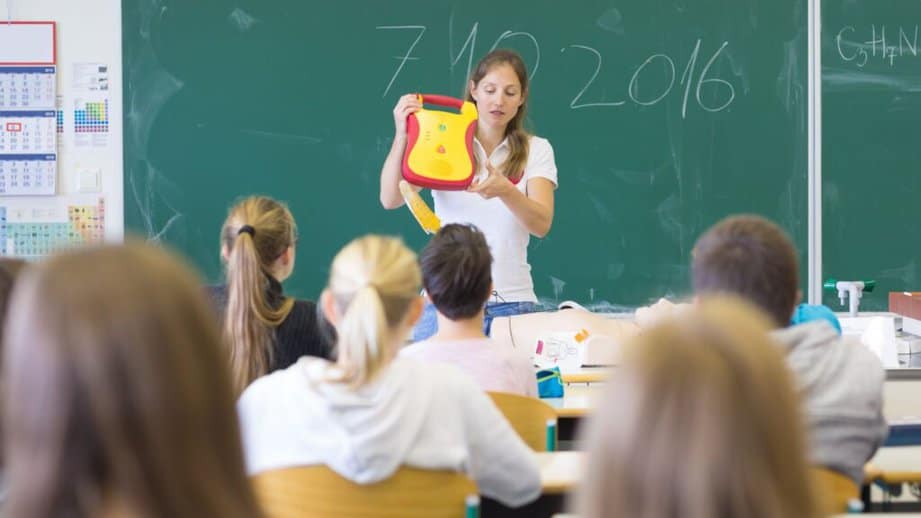
Basic first aid knowledge can be lifesaving, teaching children how to handle minor injuries, such as cuts or burns, and what to do in emergencies. Ensure they know how to call for help and understand the basics of CPR and other appropriate first aid techniques for their age. Encourage your children to inquire and seek answers about first aid fundamentals.
Bounce Back

Life is full of challenges and changes; teach your children resilience by helping them develop a positive mindset and coping strategies. Promote the perspective of setbacks as chances for personal growth and flexibility in the face of change. Let them adapt to situations, share stories of overcoming adversity, and provide support as they navigate their challenges.
Heartfelt Habits

Gratitude and kindness are essential for personal happiness and strong relationships; teach kids to appreciate what they have and to express gratitude regularly. Encourage acts of kindness, whether helping a friend or volunteering in the community. Modeling these behaviors yourself is the most effective way to instill them in your children, so try some volunteering activities.
Your Path

In recent years, individuality has become a value for many families. Parents are now encouraging their children to find their unique path rather than follow what everyone else seems to be doing. While most mothers and fathers will surely be happy if their daughters decide to study medicine, parents should never force their kids to choose a career they don’t feel is right for them and should instead value individuality and uniqueness.
Boredom

So many parents nowadays feel the need to constantly give their kids stimuli. Whenever a child feels bored, we immediately hand him a smartphone or laptop, but this behavior is incredibly harmful. Boredom can help us discover our passions and new hobbies, defining our identity. So, let your kid get bored from time to time, and don’t always help them entertain themselves.
Screen-Time

In today’s society, we spend most of our days staring at screens. Whether working from your laptop, paying a bill through your phone, or watching the TV, you spend way more time looking at screens than the sky. Make sure your kids don’t do the same, especially in the first years of their lives. If your children spend their childhood on social media platforms, stopping later will be incredibly difficult.
Importantce of Exercise

Kids seem to naturally get a lot of exercise. They are little balls of energy! But it is important that you teach them how essential it is to move your body to help keep you strong and healthy. Any kind of exercise is beneficial, and making exercise a habit at a young age will help them continue to prioritize exercise later in life. Sign your kids up for a sports team, go for family walks, or just set up obstacle courses in your living room. An active kid is a happy kid!
In 2024, the skills and values we impart to our children will profoundly shape their futures. Remember, lead by example and model the behaviors you want to see in your children; the most impactful lessons are often taught through everyday interactions.
Hold on to the adventure and savor the moments of growth and discovery along the way.