14 Possible Reasons Why Your Dog Doesn’t Want to Eat
Has your pup been turning up their nose at their food lately? Are they simply refusing to eat? It’s tough to watch your furry friend go hungry, and it’s natural to feel concerned. There could be plenty of reasons for this behavior and some are minor and easy to fix, while others might signal a deeper issue. Understanding the potential causes and reasons why your dog isn’t eating is the first step toward helping them feel better. We looked at insights from PetMD, and found a few common reasons why your dog might be skipping meals. With a little knowledge and care, you can get to the root of the issue and keep your four-legged companion happy and healthy!
Note: The content of this article is for informational purposes only and is not a substitute for professional advice. Always consult with a qualified professional for advice tailored to your pet’s individual circumstances.
Gastrointestinal Disease
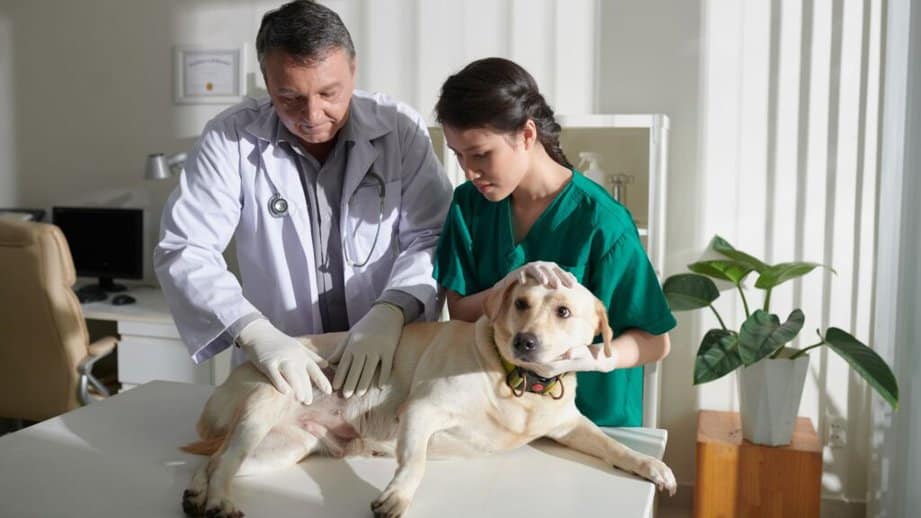
Stomach problems can make your dog not want to eat. They might have an upset tummy, vomiting, or diarrhea. These signs mean something is wrong inside. Your dog might also seem tired or not want to play. Ignoring these signs could make the problem worse and early care can help your dog feel better faster. Feeding them bland food like boiled chicken and rice can help. But if they still don’t eat, seeing the vet is important.
Fear

Fear can make your dog lose their appetite. Things like thunderstorms, fireworks, or other animals can scare them. Your dog might hide, shake, or pant heavily. During scary times, they might not want to eat. Creating a haven for your dog can help. A warm crate or a quiet room can make them feel secure. You can also try distracting them with toys or gentle play. If fear is a big problem, talk to your vet or a trainer. They can suggest ways to help your dog feel less afraid.
Separation Anxiety

Some dogs feel very sad when they are left alone. This is called separation anxiety. Your dog might bark a lot when you’re not home. They might chew on furniture or other things. Sometimes, they may stop eating until you return. Your dog loves being with you and feels worried when you’re away. You can help your dog feel better when alone by training them. Start by leaving them alone for a short time. Then, slowly make the time longer.
Organ Dysfunction and Systemic Illness

Health issues with organs like the liver or kidneys can cause loss of appetite. These organs help clean the body and keep it healthy. When they don’t work right, toxins can build up. Your dog might feel sick and not want to eat. Other signs include drinking more water and peeing more. It can even be losing weight. If you notice these changes, it is important to visit the vet. The vet can do tests to check your dog’s organs.
Dental Disease

Bad teeth or gums can make eating painful for your dog. If their mouth hurts, they might avoid food. Look for signs like drooling, bad breath, or pawing at the mouth. Your doggie might drop food while trying to eat. Regularly checking your dog’s mouth can help spot problems early. Brushing their teeth and feeding them dental chews to keep their mouth healthy. If your dog has dental issues, take them to the vet. The vet might need to clean their teeth or fix any problems. A healthy mouth makes eating enjoyable again.
Tumors or Cancers

Lumps or bumps can sometimes grow inside your dog. These are called tumors, and some can be cancerous. If a tumor is in the stomach or mouth, it can affect eating. Your dog might lose weight or seem tired. They might also have swelling or sores that don’t heal. If you notice any unusual changes, see the vet. The vet can do tests to find out what’s wrong. Early treatment can make a big difference. Depending on the type, the vet might suggest surgery or other treatments. Supporting your dog during this time is very important.
Orthopedic Problems

Issues with bones or joints can make it hard for your dog to reach their food bowl. If bending down hurts, they might avoid eating. Older dogs often have arthritis, which makes movement painful. Look for signs like limping or stiffness after resting. You can help by raising their food bowl so they don’t have to bend. Soft bedding can also make them more comfortable. Gentle exercise can also do a lot of good. If the pain continues, talk to your vet. They might suggest medicine or therapies to ease the pain. Helping your dog move comfortably can improve their appetite.
Medications
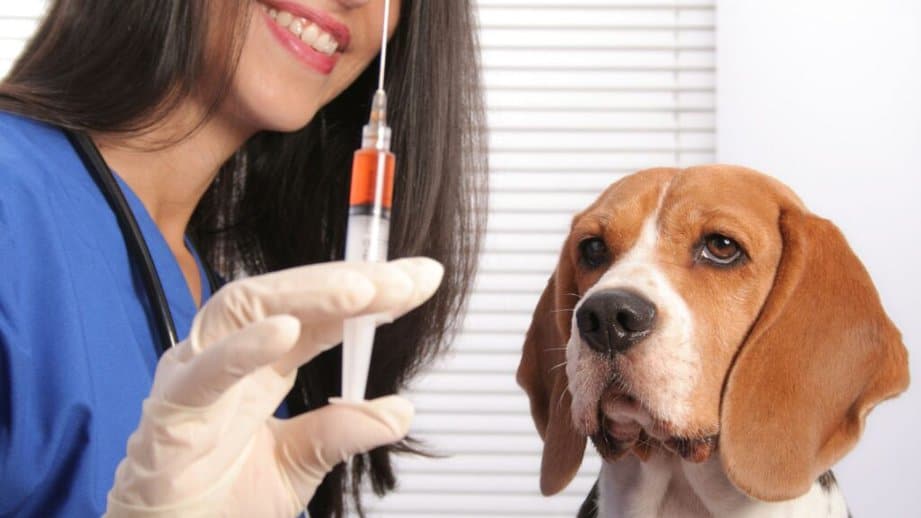
Some medicines can make your dog feel less hungry. If your dog started a new medicine, it might be the cause. They might also feel sleepy or sick to their stomach. Check with your vet about possible side effects. The vet might adjust the dose or try a different medicine. Never stop giving medicine without talking to the vet first. Keeping a close eye on how your dog reacts can help the vet make the best choices. Sometimes, side effects go away after a few days. Make sure your dog has a comfy place to rest during this time.
Stress

Dogs can feel stress when things change around them. Loud noises can scare them. Meeting new people might make them nervous. Changes in their daily routine can upset them. When dogs are stressed, they might stop eating. They could act differently, like hiding or whining. Spending additional time with your dog can help them feel safe. Give them a quiet place where they can relax. Playing soft music might calm them down.
Cognitive Decline in Senior Dogs

Older dogs can experience changes in their brain, like aging in people. This can affect their memory and behavior. They might forget where their food bowl is or lose interest in eating. Other signs include confusion or changes in sleep patterns. Keeping a routine can help your senior dog feel secure. Placing their food bowl in the same spot makes it easier for them. Gentle exercise and mental games can keep their mind active.
Obstruction of the Gastrointestinal Tract

Sometimes, dogs eat things they shouldn’t. If they swallow a toy or a sock, it can block their stomach or intestines. This is called an obstruction. When this happens, food can’t pass through like it should. Your dog might vomit or have a swollen belly. They might be in pain and not want to eat at all. This is a serious problem that needs quick attention. Take your dog to the vet immediately if you think they’ve swallowed something. The vet might need to do X-rays to see what’s inside. Sometimes, surgery is needed to remove the object. Keep small items far away from your furry pal to prevent this issue.
Having Houseguests
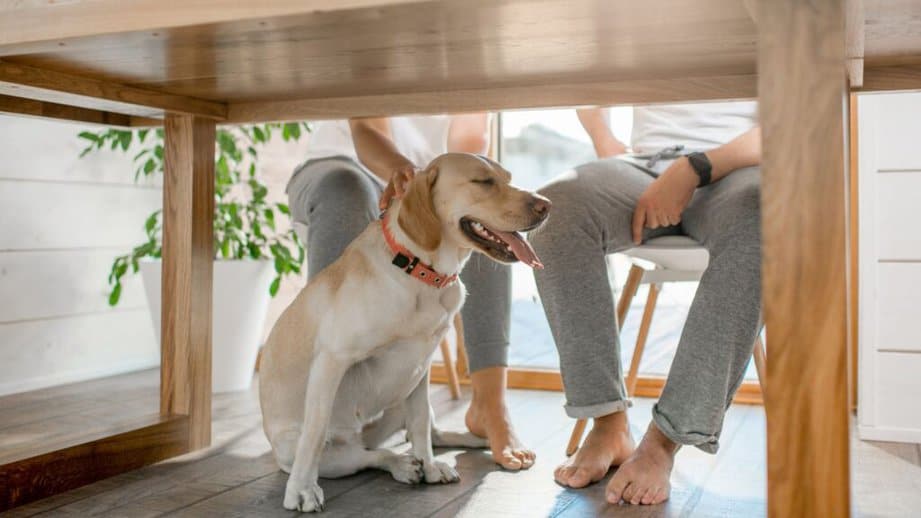
When you have visitors at your home, your dog might feel uneasy. New people can make your dog nervous or scared. Your dog might not know the guests and could feel unsure. This can cause your dog to stop eating. The house may become noisier with more activity. Loud sounds and lots of movement can stress your dog. They might hide under the bed or in another quiet spot. Giving your dog a calm place to relax can help them feel safe.
Construction In The Home

If your home feels like a construction zone, your dog might be too stressed or overwhelmed to eat. Loud noises, new smells, and unfamiliar faces can all throw off their appetite. Try setting up a quiet, safe space for your pup where they can relax away from the chaos. You may want to consider feeding them early before construction starts. A little peace and quiet might be all they need to feel comfortable eating again.
Challenging to Eat

Sometimes the problem isn’t the food but it’s how hard the food is to eat it. Older dogs or pups with dental issues might struggle with hard kibble or big pieces. Switching to softer food or soaking their kibble in water can make a huge difference. Keep an eye on how they’re eating, when they finally do take a bite. If it looks like they’re struggling, it might be time to make some food adjustments!
When your dog stops eating, it could mean there is a problem. Some problems are easy to fix at home. Other problems might need a vet’s help. It is important to watch your dog’s behavior and any changes. Keep their daily routine the same to help them feel secure. Make sure they feel loved and cared for.
This article was inspired by PetMD.