

16 Everyday Habits Environmentalists Wish You Would Stop Doing

Do you want to save the world? You can start by making a few little changes to your everyday routine. The choices we make in our daily lives can have a significant effect on the health of our planet. Small habits might seem harmless, but over time, they add up and can really impact the earth’s future. That’s why environmental activists often call out these practices, urging everyone to be more mindful and intentional, especially when it comes to these things. Taking care of our planet is a responsibility we all share, and learning about these habits is the first step toward making meaningful change.
Non Reusable Plastics

You might find single-use plastics incredibly convenient, but environmental activists are raising alarms about their impact. These items, like plastic bags, straws, and cutlery, often end up in landfills or water bodies, causing significant harm to wildlife. Plastics take hundreds of years to decompose and break down into microplastics that contaminate ecosystems. Many activists urge the use of reusable alternatives to reduce this waste.
Fast Fashion

Fast fashion is another area under scrutiny for its environmental footprint. The industry is known for rapidly producing cheap, trendy clothing, often leading to waste and pollution. Large amounts of water and energy are consumed to manufacture these, and harmful chemicals are usually used. Additionally, the short lifecycle of fast fashion items means they are quickly discarded, contributing to landfill waste.
Food Waste

Food waste is a significant issue many people don’t realize affects the environment. When food is wasted, all the resources used to produce it, including water, land, and energy, are also wasted. Decomposing food produces methane, a greenhouse gas contributing to climate change. Activists encourage practices like meal planning, proper food storage, and composting to reduce waste.
Meat Consumption

Your diet choices, particularly meat consumption, have a substantial environmental impact. The meat industry is largely responsible for greenhouse gas emissions, deforestation, and water consumption. Raising livestock requires significant resources and often leads to habitat destruction. Activists suggest reducing meat intake or adopting a plant-based diet to mitigate these effects.
Increased Use of Personal Vehicles

Driving personal vehicles is convenient, but it’s also a significant source of carbon emissions. Cars, especially those with internal combustion engines, contribute to air pollution and climate change. Activists promote alternative transportation methods like cycling, walking, or public transit to reduce reliance on personal vehicles. Carpooling and using electric or hybrid cars are other recommended practices.
Wasting Water
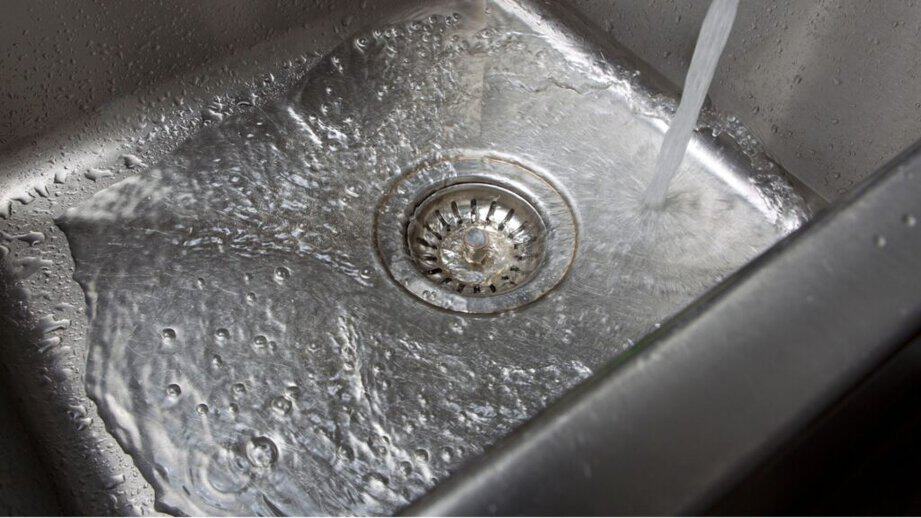
Water is a precious resource, and its usage is often taken for granted. Activities like long showers, running taps while brushing teeth and overwatering lawns contribute to water waste. Environmental activists emphasize the importance of water conservation practices. Simple actions like fixing leaks, using water-efficient appliances, and collecting rainwater for gardening can make a difference.
High Energy Consumption

Your daily energy consumption has a direct impact on the environment. Using non-renewable energy sources like coal and natural gas produces greenhouse gas emissions. Activists encourage the adoption of renewable energy sources such as solar, wind, and hydropower. Energy-saving practices like turning off lights, unplugging devices, and using energy-efficient appliances are also recommended.
Use of Chemicals

Household chemicals, from cleaning products to pesticides, can harm the environment. These substances often contain toxic ingredients that pollute water sources and harm wildlife. Environmental activists advocate for the use of natural and eco-friendly alternatives. Reducing the use of chemicals in your daily life can protect ecosystems and improve indoor air quality.
Overconsumption

In a consumer-driven society, overconsumption is a significant issue. Constantly buying new products leads to waste and depletes natural resources. Activists urge people to adopt a minimalist approach, focusing on quality over quantity. Practices like repairing items, buying second-hand, and reducing impulse purchases can help curb overconsumption.
Electronic Waste

E-waste is a growing environmental concern. Discarded electronics often end up in landfills, releasing harmful chemicals into the soil and water. Activists promote recycling and proper disposal of electronic devices to mitigate these effects. They also encourage extending the life of electronics through repairs and upgrades. Donating or selling old devices can also reduce e-waste.
Increased Paper Usage

Despite the digital age, paper usage remains high and has significant environmental implications. Producing paper requires cutting down trees, consuming water, and using energy. Activists advocate for reducing paper use by going digital whenever possible. Practices like printing double-sided, recycling paper, and using recycled paper products are also recommended.
Use of Disposable Products

Disposable products, from coffee cups to diapers, contribute to environmental degradation. These items are convenient but often end up in landfills, which take years to decompose. Activists promote using reusable alternatives, such as cloth bags, metal straws, and washable diapers. Reducing your reliance on disposable products can significantly decrease your environmental impact.
Overfishing

Overfishing is a serious problem that has many environmentalists up in arms. When we take too many fish out of the water, it throws off the balance of marine ecosystems and puts many species at risk. This doesn’t just hurt the fish but also the communities that rely on them for food and jobs. If we’re not careful, we could seriously damage our oceans for future generations, and this is something that is already starting to happen. Many types of fish are on the brink of extinction, and the problem is not something that is going away. Purchasing wild fish is something we should reconsider, especially if it is a type of fish that is endangered.
Fossil Fuel Consumption

Our daily use of fossil fuels, like driving cars or heating our homes, has a huge impact on the environment. Burning fossil fuels releases carbon dioxide and other greenhouse gases, which contribute to climate change and global warming. A lot of people do not even think twice about the amount of fossil fuels they use in a day. But, if we don’t reduce our reliance on fossil fuels, we’ll continue to see more extreme weather, rising sea levels, and other environmental challenges that could have long-lasting effects on our world.
Excessive Fertilizers

While that giant red strawberry in the grocery store may look tempting, it was probably grown with a lot of chemical fertilizers and pesticides that do not pass the approval of environmentalists. Too much fertilizers can be harmful to the earth as they often contain chemicals that can leach into water sources, leading to pollution and harmful algal blooms. These blooms deplete oxygen in the water, harming aquatic life and disrupting ecosystems. Over-reliance on fertilizers can also degrade soil health over time, reducing its natural fertility and biodiversity. They may help grow our food, but at what cost? Try to look for organic foods that are more heavily regulated and grown with fewer fertilizers.
Frequent Flying

Flying all the time might seem glamorous and like a quick way to get to places, but it’s not doing the planet any favors. Planes release a ton of greenhouse gases, and those emissions add up fast! Next time you’re planning a trip, consider taking a train or carpooling if it’s an option. Road trips can be an adventure all on their own! Consider skipping the plane and finding a more environmentally friendly travel option.
Reevaluating your everyday practices can have a profound impact on the environment. By being mindful of how you use resources and make choices, you contribute to a more sustainable future. Each small change adds up, leading to significant environmental benefits. Activists encourage us to take responsibility for our actions and strive for greener habits.


