

15 Things You Should Immediately Stop Doing If You Want to Lose Weight

Losing weight has many benefits. You may feel more energy, decrease your risk of heart disease, and even feel more confident when you look in the mirror. But not all weight loss journeys are easy. It can be hard to start losing weight and stay focused on your goals. Weight loss is definitely a journey more than a sprint!
If you are trying to shed a few pounds, we do have a few tips and tricks that may help you get the results you are looking for. Take a look at these 15 things you should immediately stop doing if you are trying to lose weight. These bad habits may be holding you back from reaching your goals!
Note: The content of this article is for informational purposes only and is not a substitute for professional advice. Always consult with a qualified professional for advice tailored to your individual circumstances.
Skipping Meals

One of the most common mistakes people make when on a weight loss journey is skipping breakfast, which many believe helps with losing weight. However, skipping meals cuts back on calories, which is anything but helpful. If your body is not fed, it slows metabolism, leading you to overeat later in the day. In addition, skipping meals may cause nutrient deficiencies that prevent your system from functioning at its finest.
Trusting Diets

Fad diets may work in the short term, but they usually cause you to regain weight quickly. It leads to nutrient deficiencies, which can make your body feel sluggish and tired, cause irritability, and, over time, lead to other health complications. Stop jumping from one diet to another and concentrate on lifestyle changes, including nutritious, balanced eating, ideally combined with regular workouts.
Emotional Eating

Emotional eating is when you turn to food for comfort rather than hunger. This habit can lead to overeating, incredibly unhealthy foods high in sugar and fat. Emotional eating usually doesn’t satisfy your emotional needs and can leave you feeling guilty afterward. Learning to cope with your emotions healthier, such as through workouts, meditation, or talking to a friend, can help you avoid this trap.
Eating Quickly

Eating too fast can lead to overconsumption of food because it takes about 20 minutes for your brain to signal that you’re full. Eating fast makes you more likely to consume more food than your body needs, leading to weight gain. Slow down, chew your meal thoroughly, and savor each bite; it will help with portion control and improve digestion.
Drinking Calories

Regular drinks, like sugary sodas, energy drinks, and fruit juices, can contain secret calories that quickly add up. These beverages provide little to no nutritional weight and can only raise blood sugar levels, increasing appetite and cravings. Instead, ask for water, herbal teas, or black coffee to quench your thirst and keep track of your calorie intake while you sip.
Sleep Neglect

Many people underestimate the importance of sleep in weight loss. Poor sleep can disrupt metabolism and spike cravings, particularly for high-calorie, sugary foods. When you are not getting enough sleep, your body tends to make more of the hormone ghrelin, which promotes appetite, and less leptin, which tells you when you are full. Getting seven to nine hours of rest per night supports your weight loss efforts.
Exercise Avoid

Exercise plays a significant role in the weight loss and accompanies the diet. Relying solely on a diet without integrating physical activity can make weight loss slower and almost ineffective. Exercise burns extra calories, builds strength, boosts metabolism, and improves overall fitness. Look out for an activity you enjoy, whether taking a stroll, a dip in a pool, or yoga and make it a part of your regular practice.
Dine Outs

If you eat out more often, be mindful of what you eat, especially at fast-food restaurants; tracking your calorie intake while indulging in a feast can be challenging. Restaurant meals are packed with calories, unhealthy fats, and sneaky sugars, and the portions are usually more significant than you serve at home. Home-cooked meals allow you to manage the ingredients and portion sizes, making it easy to stick to your weight loss pursuit.
Alcohol Overconsumption

Regularly consuming alcohol can be a substantial hindrance to weight loss efforts. Alcohol is sans calories and can reduce your inhibitions, leading to poor food preferences. It also slows down fat burning because your body prioritizes metabolizing alcohol over other things in the digestive system. Reducing or declining alcohol intake from your diet can help you lose weight more effectively.
Portion Ignore

Even healthy foods can unexpectedly make you pack on the pounds and contribute to weight gain if consumed in large portions. Portion control is essential to ensure you are not consuming more calories than your body needs. Use smaller plates, read food labels for serving sizes, and be mindful of your portions to help check your calorie consumption.
Food Reward

Relying on food as a reward can lead to an unhealthy connection between emotions and eating habits and represent a vicious circle. Treating yourself with high-calorie delights after a workout or a stressful day can undermine your weight loss efforts. Instead, find something non-eatable as a reward that you can enjoy, such as a soothing bath, a new movie, or an exciting book.
Unrealistic Goals

Setting unrealistic weight loss goals for yourself can lead to frustration and disappointment. You may be tempted to give up when you do not see the results you are hoping for. Instead, set feasible and gradual goals that you can achieve and allow you to celebrate small victories. Concentrate on the improvement you have made, not just the numbers on the scale.
Dehydration

Quite often, people think they are hungry when they are thirsty. Whenever you think you need to eat something, try drinking a glass of water first and see whether you still feel the same way afterward. Keeping your body hydrated is crucial for your weight loss journey. You can drink various beverages, from infusions to water flavored with lemons or cucumbers.
Comparison

Today’s social media platforms make it difficult to avoid comparing our progress to that of others. While watching people successfully lose weight may inspire you to maintain a healthy lifestyle, you should never compare your situation with theirs. We are all different. What may work for some may not work for you, and while some people may lose pounds quickly, it may take extra time for others.
Obsessing Over the Scale
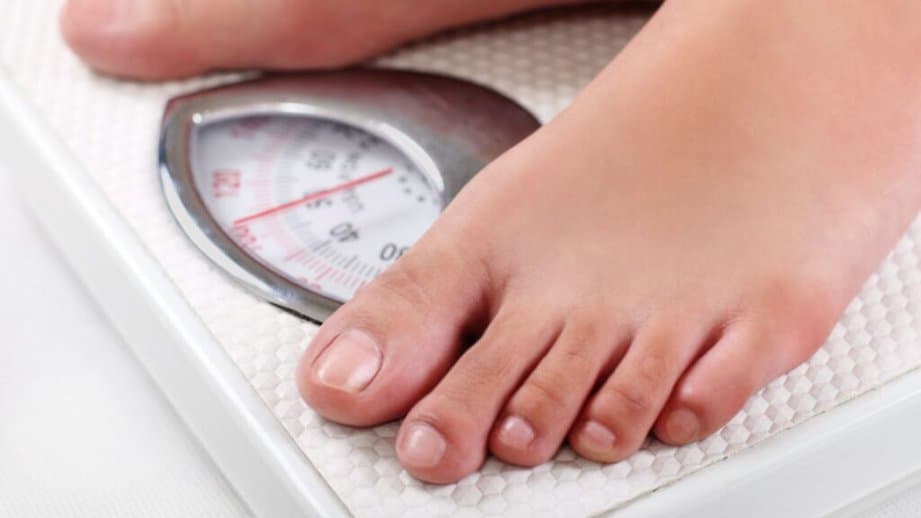
The scale plays a huge part in almost every weight loss journey. Many people become obsessed with the number on the scale and check it constantly. While you may be targeting a goal weight, it is important to check in with the scale only once in a while. Focusing too much on the scale can be discouraging, especially since weight naturally fluctuates due to things like water retention and muscle gain. It’s better to pay attention to how you feel, your energy levels, and the healthy habits you’re building as those changes that truly matter!
Weight loss is more than reducing food intake and increasing workouts; it involves making sustainable changes and creating a balanced lifestyle. By avoiding these standard practices, you can steer clear towards a successful weight loss journey. It is not about perfection but about making better everyday choices that are aligned with your target. If you are positive, patient, and determined enough, you can achieve the expected results long-term.


It is important to form new habits. Falling down is not an excuse to stay down