

16 Pro Tips to Keep Your Dog Happy and Healthy

We all want our dogs to be the happiest, healthiest tail-wagers around! And a happy pup means a happy owner! But figuring out the best way to care for your furry friend can feel like a lot, especially if you’re a new pet parent. That is why you really need to read these vet-approved tips that will help you make sure your pup is living their best, most joyful life. With these easy tricks, your dog will thrive, and you’ll be able to sit back, relax, and soak up all the love from your well-cared-for fur baby! Everyone wins!
Note: The content of this article is for informational purposes only and is not a substitute for professional advice. Always consult with a qualified professional for advice tailored to your individual circumstances.
Stick To Regular Vet Check-Ups

Remember to take your dog to the vet regularly. These checkups help catch any health issues early on. It’s not just about shots—they can also check for dental problems, heart issues, and more. Most adult dogs need a checkup once a year, but older dogs or those with health problems might need to go more often. It may take time, but it’s crucial for your dog’s well-being.
Feed Your Dog A Balanced Diet

Dogs must eat a balanced and healthy diet to maintain optimal quality of life. Choose high-quality dog food that provides the right nutrients for your dog’s age, size, and activity level. Avoid feeding them table scraps when you can or food with many sugary, processed ingredients. Make sure their diet includes proteins, healthy fats, and essential vitamins.
Ensure They Get Regular Exercise

Keeping your dog active and in shape is important for maintaining its health and happiness. Exercise keeps dogs in shape, strengthens their muscles, and provides mental stimulation. The amount of exercise needed varies by breed and age—while active breeds may require long runs, a short walk might be sufficient for others. However, most dogs need to go out at least once a day.
Prioritize Their Dental Health

Dental care for dogs gets overlooked a lot, but it’s actually important to their overall health. Brushing your dog’s teeth regularly helps prevent plaque buildup and gum disease. Make sure you’re not using human toothpaste but rather toothpaste or something else specifically for dogs because it can be harmful. Dental chews and toys can also aid in keeping their teeth clean.
Maintain The Health Of Their Skin & Coat
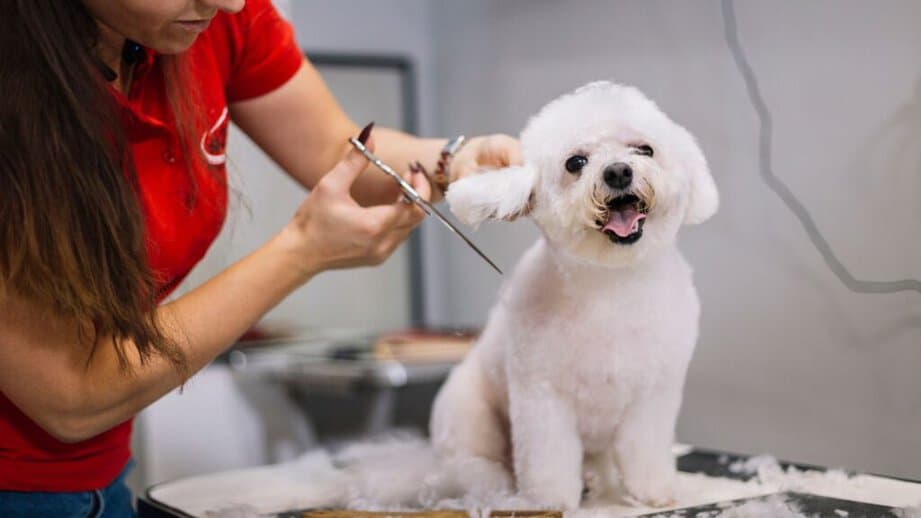
Grooming is crucial for their health. Regular brushing helps get rid of loose fur and dirt and prevents tangling while also keeping their skin healthy. Bathe them when needed, using shampoos made specifically for dogs to avoid irritating their skin. Look out for signs of fleas and ticks while grooming. A clean, well-kept coat lowers the risk of skin infections and keeps your dog feeling good.
Keep Their Brain Busy

Mental stimulation is just as important as other forms of stimulation your pet needs. Engage them with puzzle toys, training exercises, and interactive games to keep their minds sharp. Mental challenges can reduce the risk of behavioral issues. Ensuring your dog’s brain is active helps maintain their happiness and prevents them from getting bored.
Ensure Proper Hydration
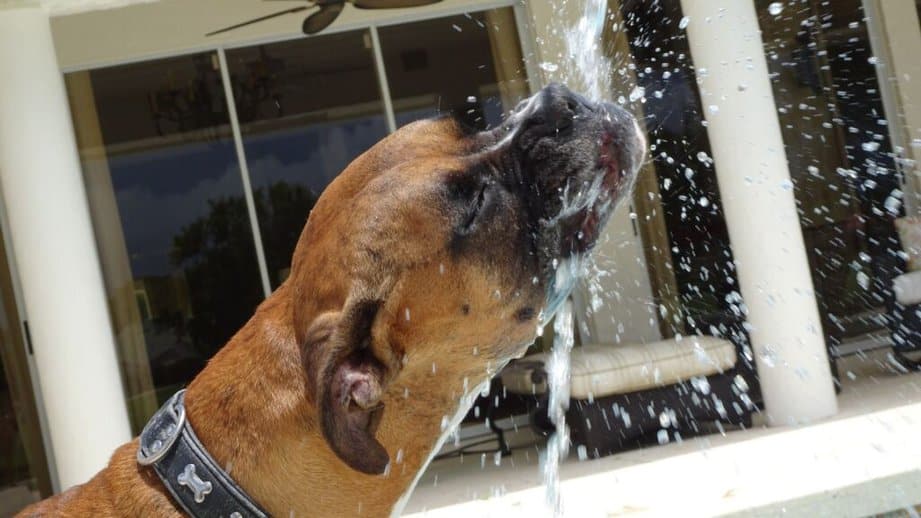
Always provide fresh, clean water for your dog to drink. Hydration is vital for their health, aiding digestion, circulation, and temperature regulation. Ensure their water bowl is refilled regularly and cleaned to prevent bacterial growth. In hot weather, increase the amount of water available and monitor for signs of dehydration. Your dog will be eternally grateful.
Monitor Their Weight

Remember to keep an eye on your dog’s weight—it’s really important for their health and happiness. Check how they’re doing regularly and talk to your vet if you see any major weight changes. Based on what you see and what your vet recommends, adjust their food and exercise routine. If they put on too much weight, it can cause problems like diabetes and joint issues.
Socialize Them Early And Often

Early socialization helps your dog develop into a well-adjusted adult. Positive experiences during their formative years can lead to better behavior and adaptability. Socialization also prevents behavioral issues such as excessive barking or fearfulness. Regular interaction with new situations keeps your dog’s social skills sharp and makes them more comfortable in various settings.
Be Alert To Behavioral Changes

Changes in your dog’s behavior can be signs of underlying health issues. If your dog suddenly becomes lethargic, refuses food, or shows signs of pain, it’s important to consult your vet. Regularly observing your dog’s behavior helps you catch any issues early and ensures they get the necessary care. A proactive approach to behavior changes keeps your dog healthy and happy.
Use Effective Flea & Tick Medicine

Regular flea & tick prevention is crucial in avoiding discomfort and transmitting disease in your dog from fleas & ticks. Use vet-approved flea and tick preventatives to keep these pests at bay. Check your dog’s coat regularly for signs of fleas or ticks, especially after walks in wooded or grassy areas. Ensure their preventative treatments are updated as recommended by your vet.
Give Them A Safe & Comfortable Environment

A cozy, secure space is important for your dog’s well-being. Provide a comfortable bed and a quiet area where they can retreat and relax. Ensure their living space is free from hazards and offers easy access to their food, water, and toys. A safe environment promotes a sense of security and helps your dog know they are loved and cared for, something fundamental for its wellbeing.
Vaccinations
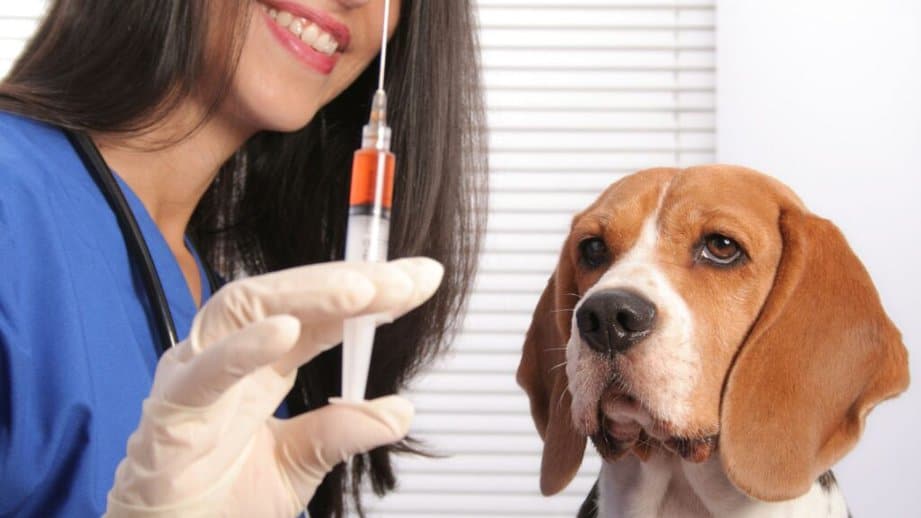
Vets agree that vaccinations are essential to prevent your dogs from getting sick. There are plenty of vaccinations your dog should get. Some of these are good regardless of the country in which you live, while others may be only useful if you are located in a certain area. Vaccinating your dog means protecting it from all sorts of potentially deadly illnesses.
Get Ready For Hot Weather

Hot weather can be detrimental for dogs, depending on the breed. A Newegoundland or a Saint Bernard cannot live in hot areas, so you must choose a breed that can live where you are. However, you still need to take a few precautions when summer arrives, for instance, ensuring they always have sufficient water while avoiding common mistakes, such as leaving them in your car while shopping.
Play With Your Pup

While it is nice to have a dog that can go outside and entertain themselves, your pup probably wants to play with you, too. Playing fetch, hide and seek or going for a run with your dog is a great way to strengthen your bond. Your dog will enjoy playing with you and see you as their best friend. Isn’t that part of the reason you wanted a dog? To have a forever friend? Get out there and play with your pup and you will both have a fantastic time!
Get Ready for Cold Weather

You may think that a dog should be okay outside in the cold. They are animals, by nature. But we want more than that for our precious pups! We want them to be comfortable in the cold. You can start by ensuring they have a warm, well-fitted coat or sweater, especially if they’re a short-haired breed or small in size. Protect their paws with booties or paw balm to prevent cracking from ice, snow, or salt. Limit outdoor time during extreme cold, and always provide a cozy indoor space where they can warm up after being outside.


