The Stigma Around Divorce: Is It Time To Break The Silence

Divorce is a life-altering event that directly affects individuals, their families, and the community. Divorce is talked about with genuine feelings of shock, shame, and misunderstanding, even though it is an affair that happens quite commonly. Much has changed in how our societies view various issues; however, the shame of divorce in many communities and cultures remains. Divorce is still a difficult topic to discuss both culturally and religiously, and the stigma continues to impact people and families in profound ways. We believe it’s time we revisit this topic with a fresh perspective.
Divorce As A Cultural Taboo

Marriages are considered a permanent arrangement in many societies, and if marriages fail, it is viewed as something the partners should feel ashamed about. Staying together is a cultural and religious norm, and divorce is seen as a betrayal of these values of staying together “at all costs.” Those who choose to end their marriage are often judged and face isolation from their community. Divorce remains shrouded in silence and secrecy because of this cultural taboo that has become deeply ingrained.
Influence Of Beliefs
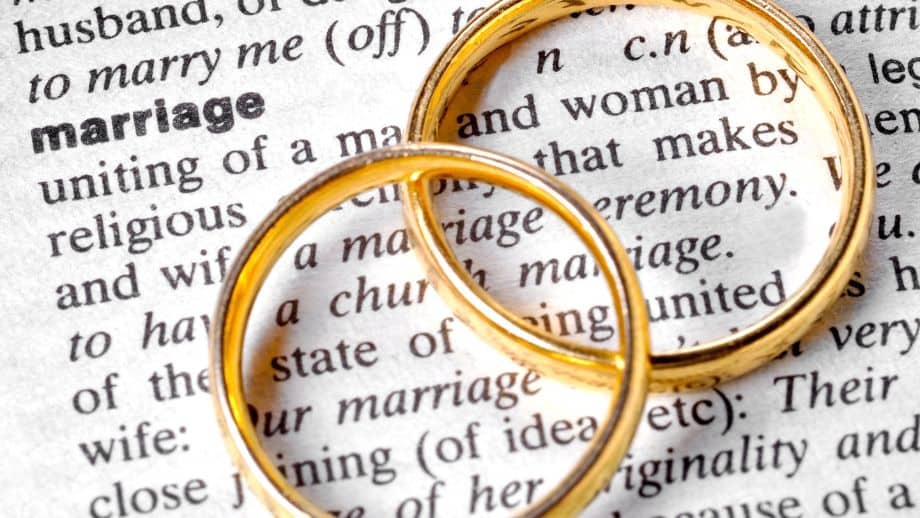
In many religious traditions, divorce is discouraged or even prohibited as marriage is a sacred institution. Even if living in a marriage is harmful, because it is based on these beliefs, divorce can be difficult to seek. Religious institutions that add their moral weight to the stigma of divorce only serve to delay those in pain from receiving help and suffering silently.
Gendered Expectations

Divorce is a subject with its stigma — often one that strikes men and women differently, with women bearing the brunt of social judgment. Women can be labeled “failures” if she doesn’t maintain a marriage, and men can be criticized for not playing their role of provider. These gendered expectations and double standards heighten the emotional burden of divorce. These attitudes promote unrealistic stereotypes that aren’t consistent with current realities.
Role Of Media In Shaping Opinion

Divorce is often a subject of the popular media and is usually portrayed as negative in light of that. Divorced people are frequently depicted as bitter, lonely, or broken in films, television shows, and news stories. Such portrayals make the divorce story one-dimensional, focusing away from who divorced, why the divorce happened, and what the effects were. The way the media perpetuates these stereotypes helps create a culture of shame and misunderstanding about the topic.
Judgment And Social Rejection

For many, looking like a failure in your social circle is frightening as it deters them from seeking a divorce. Friends, family, and colleagues might opinionate about what “failed marriage” means. However, people’s fear of rejection can stop individuals from talking openly about what they’ve experienced or getting the support they need. To break this cycle, empathy must be fostered, and we need to stop judgment in personal and community relationships.
Financial Implications

It is the case that divorce is often expensive, but especially so for women who may have difficulty economically after divorce. Divorce is stigmatized not only but also perpetuates economic inequality. Some people don’t want to leave a marriage because they fear they won’t be able to afford themselves or because of how people may perceive the financial status of the person leaving the marriage. However, addressing these challenges requires calling for policies supporting equitable economic outcomes for all individuals.
Impact On Children And Parenting Perceptions

One of the main things that makes divorce stigmatized is the concern it may have for a child’s well-being. When divorced parents are the only ones who can provide a safe place for kids, they may also be scrutinized for their capacity to offer what is best for children. This judgment ignores the fact that the danger to children in staying in a toxic or unhealthy marriage can be greater than divorce. An encouraging, nuanced understanding of co-parenting and family dynamics is needed to reduce this happening.
Mental Health And Emotional Well-being
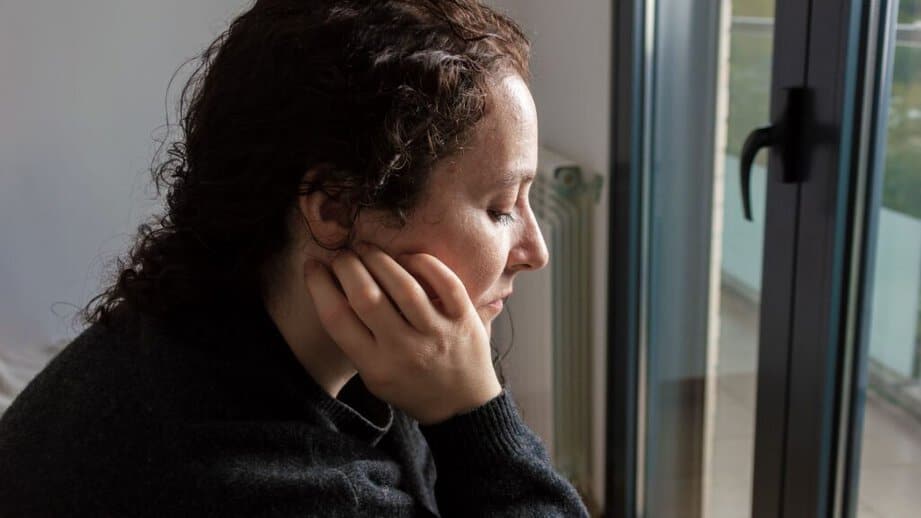
Divorce can be costly to the mental health of an individual, and the stress of the stigma makes the situation worse. If people do feel judged or shamed for making a choice, we know that can create increased anxiety or depression or even lower levels of self-confidence. This emotional weight emphasizes how important it is to have compassionate support systems and accept the mental health struggles in divorce. Destigmatizing the topic can build resilience in people on their emotional journey.
Challenging The Idea Of “Failure”

One of the most damaging myths about divorce stigma is that breaking up a marriage means personal failure. The flaw in this perspective is it ignores the complexity of relationships, and a divorce may be the healthiest thing for all parties involved. Thinking about divorce as a path of personal growth and well-being makes it easier for people to change their attitudes about divorce.
Normalizing Divorce Discussions

Normalizing conversations about divorce can lead to more understanding, more support, empathy, and acceptance of those going through it. Open discussions can dispel myths and misconceptions, create space for meetings, and create a more inclusive and empathetic society. Sharing experiences can help develop a community and help people feel less isolated and ashamed; it also sets people up to make decisions prioritizing happiness and well-being.
Support Systems And Advocacy

Family, friends, professional counselors, and support systems all have a helping role in dealing with the challenges faced during the time of divorce. It can be done by advocacy groups and community organizations working toward dismantling the stigma through promoting awareness and education. Breaking the silence around divorce starts by building safe spaces for individuals to speak about their experiences and seek help without worrying about judgment.
Moving Toward Acceptance
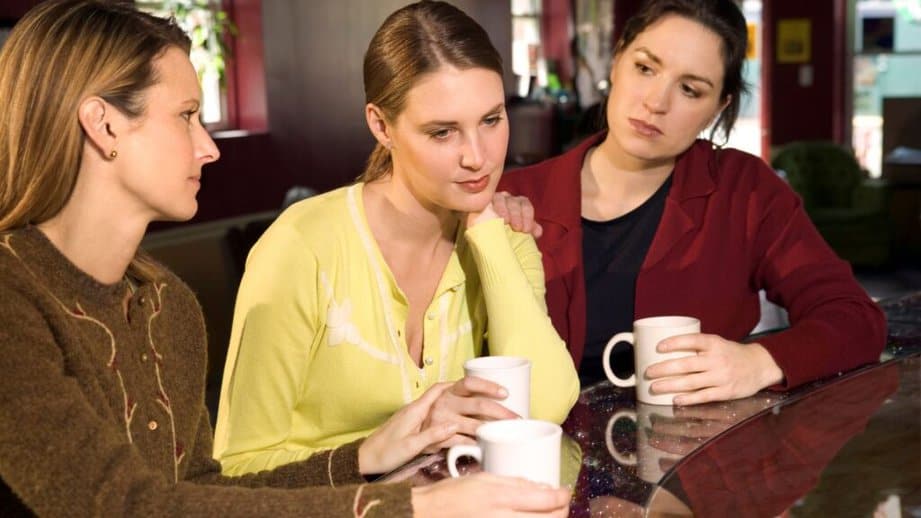
Changing the perception can only be done if society transforms how it looks at things. Every individual has their own experience with divorce; therefore, it is neither right nor wrong. Consequently, it is possible to make people feel supported and comfortable with their choices so they are at peace with their values and wants. This change is crucial for creating better and healthier relations and a healthy society.
By addressing these things and adopting a more compassionate view of divorce, we can suppress the silence and remove the shame surrounding it. Divorce is a personal decision and, in the end, should not be judged or be made a stigmatized circumstance. Open conversation leads to open conversation outlets and helps us build a society that values understanding and empathy over criticism. It’s not just about the well-being of individual people; it’s about creating a more inclusive, more supportive world for everybody.