

15 Phrases Only Bad Parents Say to Their Kids

Most parents pour their hearts into doing and saying the right things when it comes to raising their kids. But this isn’t always as easy as it sounds. We can get upset, tired, or stressed pretty easily as parents, and the words we use with our kids carry more weight than we sometimes realize. What we say can shape their emotions and outlooks both now and in the future.
Here’s a list of phrases parents should really try to never say to their children. Some can sting at the moment, while others might leave lasting marks on their well-being. Try as much as you can to avoid these phrases so your kids can truly grow up in a positive environment where they feel supported and loved. Remember, your words hold incredible power, so use them to build up, not tear down!
You are Stupid!

Calling someone stupid is hurtful, especially when directed at a child. Kids are still learning, and they make mistakes, but that doesn’t mean they aren’t smart. Sometimes, parents say this when angry, but the child may start believing it. Instead of saying this, try explaining what went wrong and how they can do better next time. Saying you made a mistake, but that’s okay. Let’s figure it out together, encourages growth. It also helps them learn from their errors without feeling bad about themselves. In the long run, this will build their confidence and problem-solving skills.
I Thought You Cared for Me!

This phrase can make kids feel guilty and responsible for their emotions, which isn’t fair. Children are naturally caring but also learning how to express their feelings. Sometimes, they won’t do exactly what you expect, but that doesn’t mean they don’t care. Instead of putting the weight of your feelings on them, express how their actions calmly affect you. You can say it makes me sad when you do that, so let’s discuss it. This way, you show them how to communicate emotions without making them feel bad or unloved.
You Will Never Make It Big In Life Without Grades

It is understandable to want your child to succeed, but putting too much pressure on grades can make them anxious. Good grades are important but don’t define a person’s future. Some kids may not excel academically but are still brilliant in other areas. Instead of focusing on grades alone, try to encourage effort and learning. You could say it is important to try your best, but grades do not measure everything you are capable of. This shifts the focus from pressure to improvement and growth, which helps your child feel more motivated rather than stressed.
Stop Crying, or I will Beat You Harder
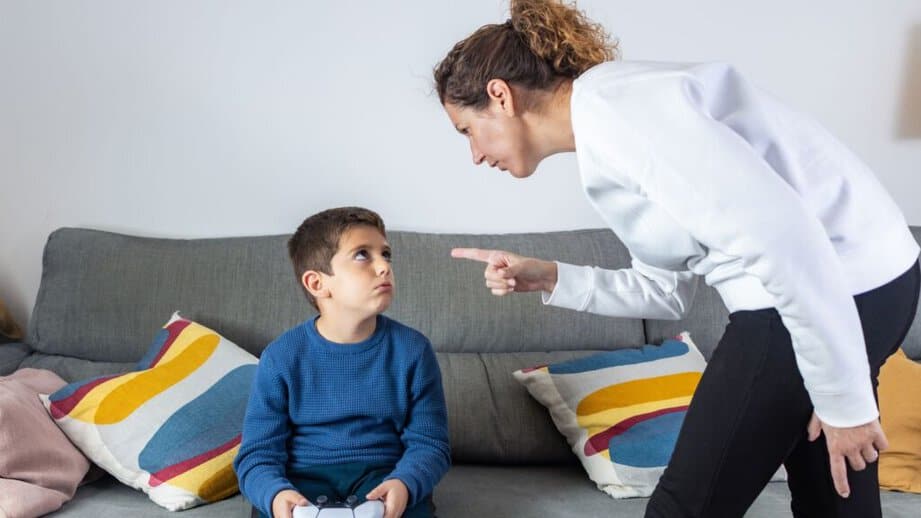
Threatening violence never helps a situation. It only teaches kids to be afraid of expressing their feelings. Sometimes, kids cry because they do not know how to explain what’s bothering them. Instead of threatening, it’s more helpful to ask why they’re upset and offer comfort. You could say, I see you are upset. Let us talk about why you are feeling this way. This allows them to open up about their emotions without fear, helping them feel supported. Plus, it strengthens the bond between you and your child.
I Wish You Were Never Born to Us

This is extremely hurtful, and though it might be said in anger, it leaves a deep emotional scar. Kids should never feel like they’re unwanted or unloved. In stressful times, it’s better to take a moment and calm down before speaking. If things get heated, take a break to breathe and gather your thoughts. Later, you can calmly talk through the situation. Remember, even when you’re frustrated, saying I love you but am upset right now can make all the difference.
You are a Worthless Kid

Calling a child worthless can damage their self-esteem in ways that last a lifetime. Every child has value, even if they are struggling at times. Rather than saying something so hurtful, remind them of their strengths. When your child faces difficulties, say, you are having a tough time right now, but I believe in you. This reassures them they are capable, even if they do not like it. Positive reinforcement helps them see their worth and motivates them to keep trying.
You are Dumb and Good for Nothing

This phrase can be deeply damaging, making kids doubt their abilities. Children are not good for nothing just because they struggle in some areas. Everyone has different strengths and weaknesses, and it’s essential to recognize this. Instead, you could say everyone has something they are good at, so let us find out what yours is. This helps them focus on their potential and abilities instead of their shortcomings. Encouraging them to discover their talents will give them a sense of purpose and confidence.
You are a Burden on Us

Saying this can make a child feel like they don’t belong, which is heartbreaking. Every child wants to feel like they’re loved and appreciated. Even in tough financial or emotional times, it’s important to let your child know they are not a burden. Try to express how you feel more constructively. For instance, you could say, we are going through a tough time, but we will get through it together. This way, your child knows that they are part of the family, not a burden to it.
Your Sister is Smarter Than You

Comparing siblings is never helpful and can cause feelings of resentment and jealousy. Each child has their strengths, and comparing them only creates unnecessary competition. Instead of comparing, celebrate each child’s achievements. You could say you both have different strengths, and that is what makes you special. This encourages both children to appreciate their abilities without feeling like they need to outdo each other.
You are Not a Smart Kid

This phrase can make a child feel hopeless about their future. Every child has the potential to succeed in life, even if they aren’t the smartest by academic standards. Rather than putting them down, focus on what they can do to improve. You might say you may struggle with some things now, but with hard work, you’ll get better. This gives them hope and encourages them to put in the effort without feeling defeated.
Your Friend is Much Better in Studies

Comparing your child to their friends can make them feel inferior. Kids develop at their own pace, and it is important to recognize that. Instead of comparing, focus on your child’s progress. You could say, I see how hard you’re trying, and I am proud of your effort. This way, they will feel encouraged to improve for themselves, not because they feel they need to compete with others.
Don’t Cry Like a Baby
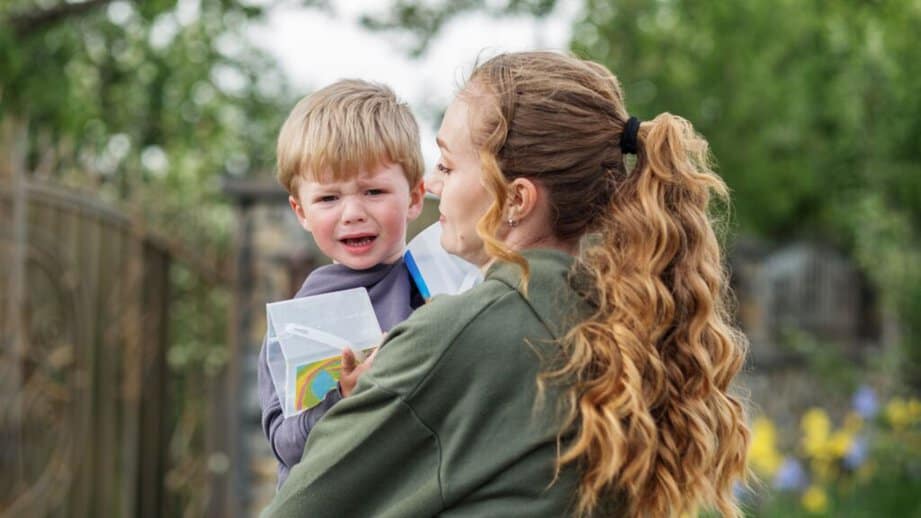
Telling a child not to cry like a baby dismisses their feelings and can make them feel ashamed for being upset. Crying is a natural response to emotions; kids need to feel it’s okay to express themselves. Instead of telling them not to cry, offer comfort and understanding. You could say it is okay to cry when you’re sad. Let’s talk about what is bothering you. This teaches them that it is alright to express emotions and that you’re there to help them through it.
Why Don’t You Grow Up?

Telling a kid that they need to grow up is a very rude way of saying that they are not mature or acting in an appropriate manner. However, kids are young and not grown up! Telling them that they need to act with the maturity of an adult is not only impossible but ignoring the fact that they are still, in fact, immature. Rather than telling a kid to simply “grow up”, try explaining to them why their behavior may not be appropriate. Always keep in mind their true age!
I Can’t Wait For You to Turn 18

In most of the countries, the age of 18 is when a child is legally considered to be an adult. This is the age when a parent is no longer legally required to care for a child but can allow them to go into the world on their own. Telling your child that you can’t wait for them to turn 18 is like saying you are anticipating the day when you can kick them out of the house and never care for them again. It is hurtful to tell your child that you essentially do not want to be their parent. Even when you are upset or angry, always remember that your child loves and relies on you, and you, most likely, love them too! This love doesn’t stop when the age of 18 comes around.
“Leave Me Alone”

Telling a child to leave you alone might seem harmless when you’re overwhelmed, but to them, it can feel like total rejection. They might think they’re a bother or that their feelings don’t matter. Instead of pushing them away, try saying something that is a little more gentle like, “I need a moment, but I’ll come back to talk soon.” This lets them know you care while also setting a healthy boundary.
Whatever we say, as parents, our kids pick up subciously. It has a major impact on their upbringing. They might say these damaging phrases in front of someone without knowing their meaning. You might then punish them. But the sad part is they do not know why they are being punished. Hence, it is always better never to say the above phrases in front of your kids. In their formative years, you do not want them to learn certain things that they shouldn’t have subconsciously.


