

12 Essential Human Rights Violations Women Are Still Fighting to Overcome

Despite the significant strides made toward gender equality in the past few decades, women worldwide continue to face lots of basic human rights challenges that can impact their well-being and hurt their true potential. These issues extend beyond politics and economics, touching the everyday lives of millions. Understanding these barriers is crucial for us, as humans, to make meaningful changes and create a more equitable future for women around the world. Here are some of the most pressing human rights issues women are battling globally, as highlighted by Human Rights Careers. Awareness is the first step to action and that starts right here!
Racial Discrimination
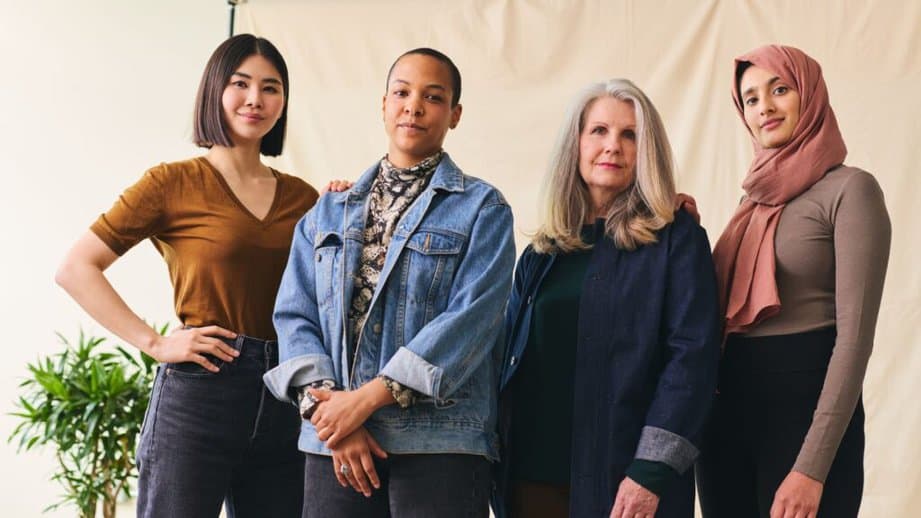
Racial injustice is a daily reminder that discrimination comes in layers for women of color. It affects job opportunities and how we are perceived professionally and socially. Data from the UN reveals that over a 40-year career, Hispanic women in the U.S. can lose over $1 million compared to white men. This is not just about money. It is about the barriers we face that keep us from achieving our full potential. This persistent inequality results in higher stress levels and poorer health outcomes. It also perpetuates generational poverty. Women of color find it difficult to build wealth and break the cycle for future generations. Racial inequality stifles ambition and erodes confidence, making it harder for women of color to break barriers and build influential careers or leadership paths.
Gender-Based Violence

Home should be a place of comfort, yet for many women, it’s where they experience the most harm. The WHO estimates that one in three women faces gender-based violence in her lifetime. One in four experiences this violence from an intimate partner. These statistics translate to silent struggles behind closed doors. Such violence affects the mental health and confidence of women. More often, such trauma also affects their professional life. They lose their jobs due to decreased productivity on account of mental trauma. The persistent fear of violence restricts women’s ambitions and engagement in activities that could lead to personal and professional growth.
Inadequate Healthcare
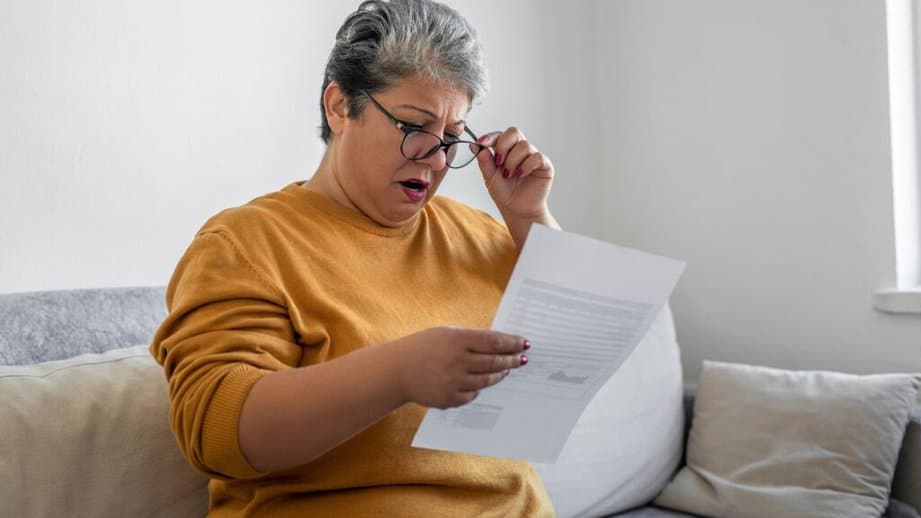
Have you ever left a doctor’s appointment feeling your concerns were brushed aside? Unfortunately, this is all too common for numerous women. About 70% of the healthcare workforce is comprised of women. But only 25% hold leadership roles. This imbalance has resulted in a healthcare system that does not address women’s medical needs properly. Women who cannot afford financial healthcare suffer the most. Spending on her health would mean compromising on her family. It forces women to make a choice between health and essential needs. When healthcare falls short, women are often compelled to focus on managing preventable conditions instead of advancing their careers and personal growth.
Human Trafficking
Trafficking isn’t just a headline—it’s a nightmare for too many women. 71% of all trafficking victims are women and girls. The trauma of being stripped of freedom and subjected to violence leaves scars that last a lifetime. Such women are suffering from a lifetime of physical and mental trauma. Survivors often struggle with reintegration. They face social stigma and also get limited opportunities. It keeps them trapped in a cycle of hardship. The exploitation leads to a loss of educational and economic opportunities. It further hinders their ability to rebuild their lives and achieve independence. Trafficking survivors face significant setbacks that delay or permanently halt their education and independence.
Discrimination Based on Disability
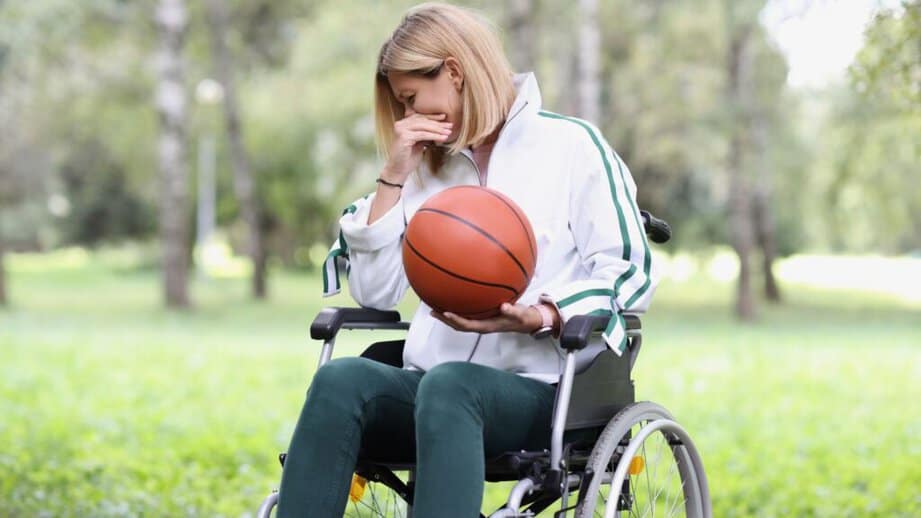
Being a woman with a disability means fighting on two fronts: against gender bias and discrimination due to a disability. Around 300 million women face limited education, employment, and adequate healthcare access. These women do not have sufficient financial independence. Social stigma further adds to these challenges. As a result, these people have low self-esteem and poor mental health. They do not have sufficient participation in public life and decision-making. It keeps their voices unheard in crucial conversations about rights and policies. Discrimination prevents women with disabilities from accessing mentorship. They also have fewer networking opportunities, which are crucial for personal and professional growth.
Online Harassment
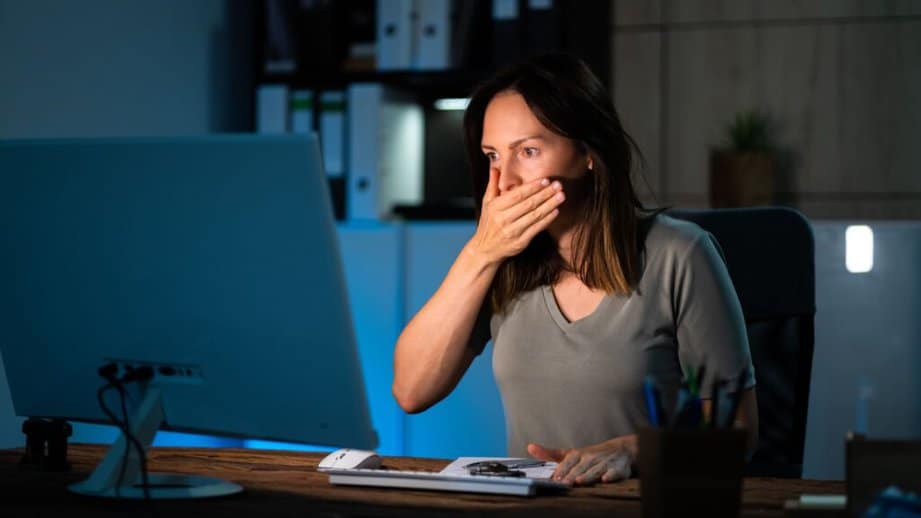
If you’ve ever hesitated to post online because of potential backlash, you’re not alone. Women are 27 times more likely than men to experience online harassment. It goes beyond digital spaces, affecting mental health, self-esteem, and willingness to engage publicly or professionally. This type of abuse silences voices restricts opportunities and fosters an environment of intimidation that impacts how freely women can express themselves or advocate for change. The fear of digital harassment can lead women to withdraw from online educational and career-building activities, stunting professional growth and social influence. Persistent online abuse silences potential and keeps women from fully leveraging digital platforms for learning and advancing their careers.
Inadequate Maternal Healthcare
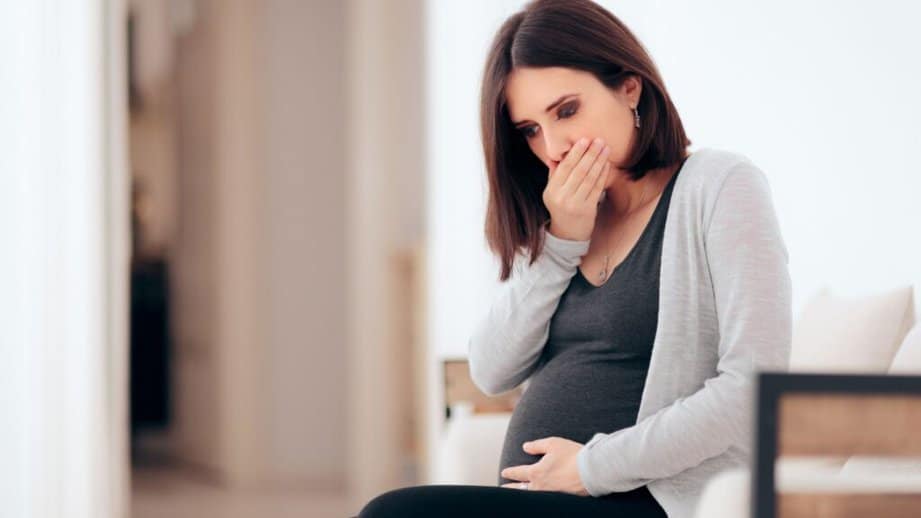
Motherhood should be filled with support and care, but for many, it’s met with fear due to inadequate maternal healthcare. Women die every day from pregnancy-related causes, most of which are preventable, with 95% of these deaths occurring in low-income countries. This lack of access to good quality care can have lifelong consequences on health. It affects a mother’s ability to care for her child and herself. Poor maternal health outcomes can lead to long-term health issues that impact women’s participation in the workforce and community activities. Health issues arising from poor maternal care can hinder a woman’s ability to return to work or pursue further personal and educational growth.
Threats to Reproductive Rights

When we talk about reproductive rights, we are talking about a woman’s ability to make decisions about her own body without fear or restriction. Right now, nearly 40% of women live under laws that limit this freedom, affecting over 750 million women of reproductive age. For some, this means facing serious risks when safe abortion is completely prohibited. Many women still do not have access to the correct information on reproductive health. When women are guided based on misinformation, it leads to unwanted pregnancies and other health issues. It impacts women’s health, independence, and future opportunities. Without the ability to make informed choices about their reproductive health, women’s overall well-being and life plans can be severely disrupted.
Lack of Digital Exposure

Technology is a gateway to opportunities, but many women are left behind due to lack of digital exposure. Up to 90% of girls in low-income countries do not have access to the Internet. It limits their chances for education and employment. With less digital exposure, women have fewer opportunities. It also deepens the existing inequalities. It keeps women out of conversations that shape the future. The lack of digital skills reduces their employability in an increasingly tech-driven job market. It also means less tech development and innovation representation. Without digital skills, women miss leadership roles in emerging fields, stunting individual and societal growth.
Unpaid Labor

Many balance work, caregiving, and household chores without acknowledgment or compensation. Globally, women perform three times as much unpaid labor as men. In Japan, for example, this unpaid work equates to an astounding $761 billion annually. This invisible workload affects our ability to pursue education, career growth, and personal interests. The mental and physical toll can lead to burnout and health issues, reducing overall life satisfaction. It reinforces the narrative that women’s work is less valuable, affecting how women are viewed personally and professionally. The burden of unpaid labor leaves little room for skill development, continuing education, or pursuing career aspirations, keeping women from reaching their potential.
Lack of Understanding About Period Pain

Women often feel pressure to appear resilient when life becomes overwhelming, even when struggling internally. Women are three times more likely to face depression and anxiety than men. Young women are reported to have the highest levels of anxiety. These challenges are compounded by stigma and inadequate mental health services. It leaves many women to cope alone. Poor mental health impacts daily functioning, making it difficult to maintain work, relationships, and self-care routines. The lack of proper support systems can result in a decline in physical health, creating a cycle that’s hard to break. When period pain is not recognized, women may be forced to miss school or work, hindering both immediate productivity and long-term career growth.
Pay Disparity

Have you ever felt that, despite putting in the same dedication and effort as your male colleagues, you are paid less? This is not just a perception – it is a harsh reality. The ILO estimates women earn only 77 cents for every dollar men earn. This pay gap makes it hard for women to plan for the future. They are also unable to save for emergencies and support their families. Many women remain in lower-paying, stable jobs due to this financial uncertainty. This also leads to reduced retirement savings. Women face financial struggles as they age. This gap stops many from seeking leadership roles.
Women face significant pressure to maintain resilience despite internal struggles, and this takes a toll on mental health, with women experiencing depression and anxiety at much higher rates than men. Stigma and inadequate mental health services often leave them to manage alone, impacting their daily lives, relationships, and work. Addressing these challenges with better support and recognition is crucial for empowering women to thrive.
This article was inspired by Human Rights Careers.


