

16 Cultural Shocks Americans Experience When Traveling in Europe
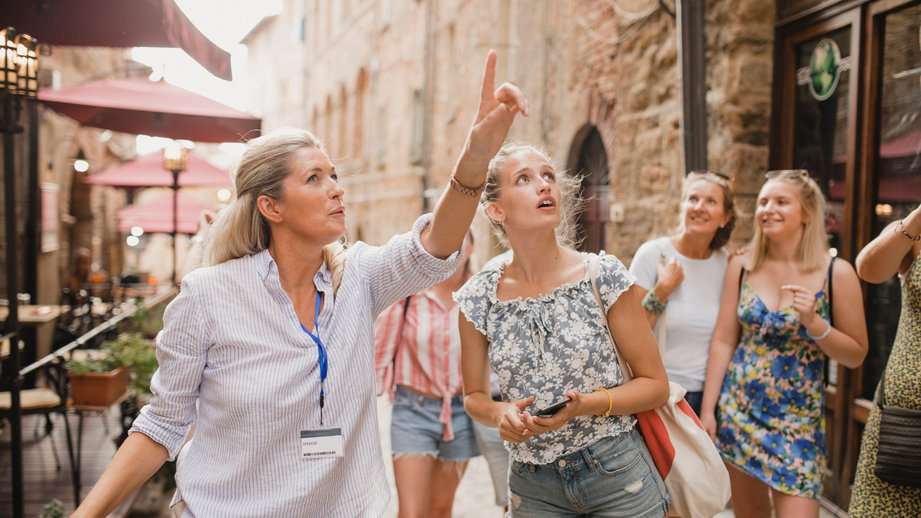
Are you planning your first trip to Europe? Get ready for an unforgettable adventure! There are so many iconic cities like Paris, London, and Athens that are just bursting with rich history, stunning architecture, and diverse cultures. While you’ll fall in love with many local traditions, you might also find a few habits and cultural norms that leave you scratching your head. Knowing about these common behaviors is important so that you are ready for all the things that would otherwise surprise you. Here are just a few cultural shocks that Americans often experience when visiting Europe.
Small Portions
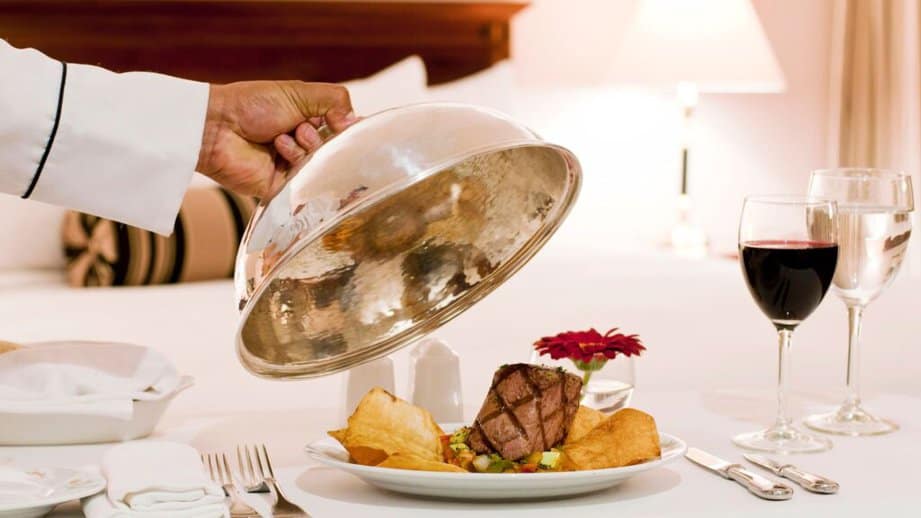
European meals often come in smaller portions than what Americans are used to, which can be surprising if you are expecting large servings. The emphasis is on relishing each bite’s rich flavors and textures, assuring a unique dining experience rather than merely consuming large amounts of food. Dining in Europe is about enjoying the experience, the company, and the conversation, not just the food.
Slow Service

In many European countries, mainly Southern Europe, dining out is relaxed and leisurely. Meals are savored over several courses and accompanied by lively conversation. The pace of service can be much slower than in the U.S., where quick service is valued. Servers might not check on you frequently or bring the bill until you ask; this is not rudeness but a cultural norm that values a relaxed dining experience.
Limited Ice

If you’re accustomed to receiving a glass brimming with ice alongside your drink, Europe may offer an unexpected change, as ice is often used more sparingly or may not be provided at all. Europeans generally prefer their drinks with little to no ice; this might initially feel odd, especially if you visit during summer. The reason behind this is often related to different habits and a cultural preference for savoring the natural taste of the beverage.
Bathroom Practices
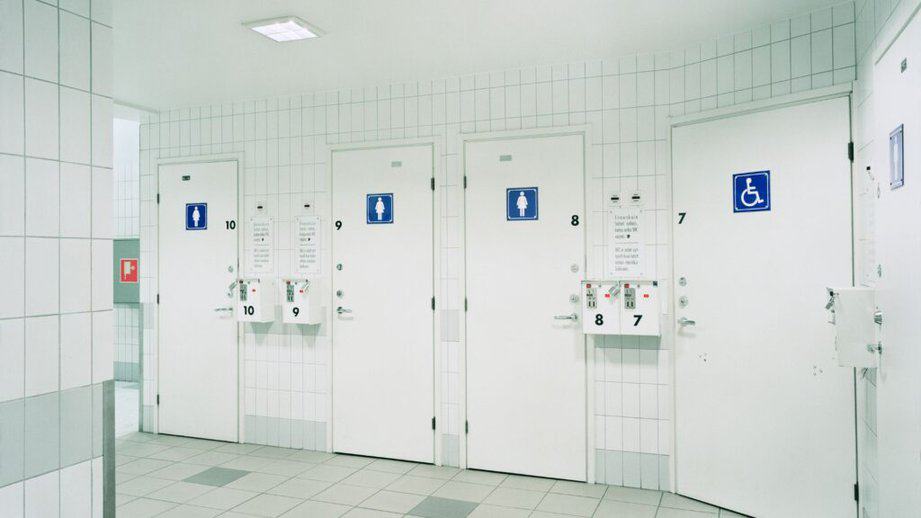
Public restrooms in Europe can be quite different from what you are used to; some require a small fee, and it is not uncommon to find attendants maintaining them. You might also encounter toilets with two flush buttons designed to conserve water. Also, don’t be taken aback if you need to bring your toilet paper, as this is common in some places.
Cash Preference
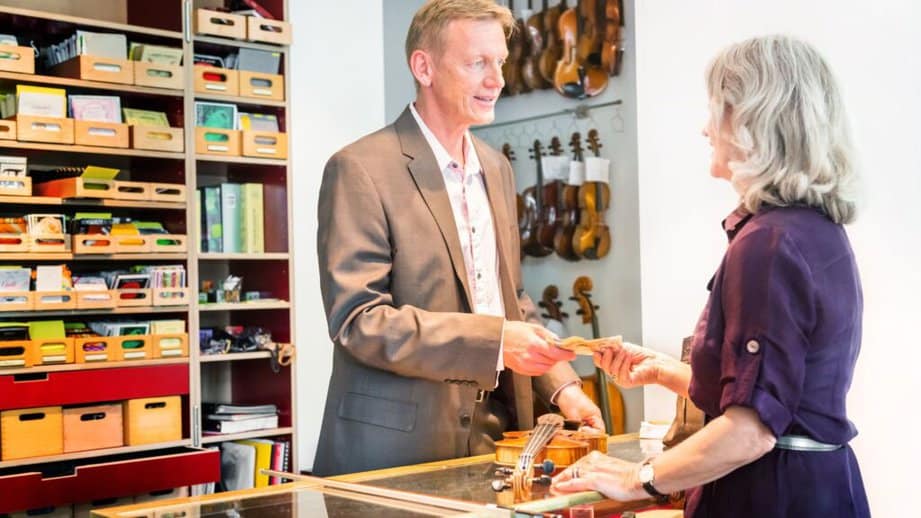
Although in many places credit and debit cards are commonly accepted, cash is still king in many parts of Europe. Smaller establishments, particularly in rural areas, might only accept cash, so it is a good idea to always carry some local currency with you. ATMs are readily accessible, but carrying some cash can help you avoid potential inconveniences and ensure you’re prepared for situations where card payments might not be accepted.
Tipping Norms
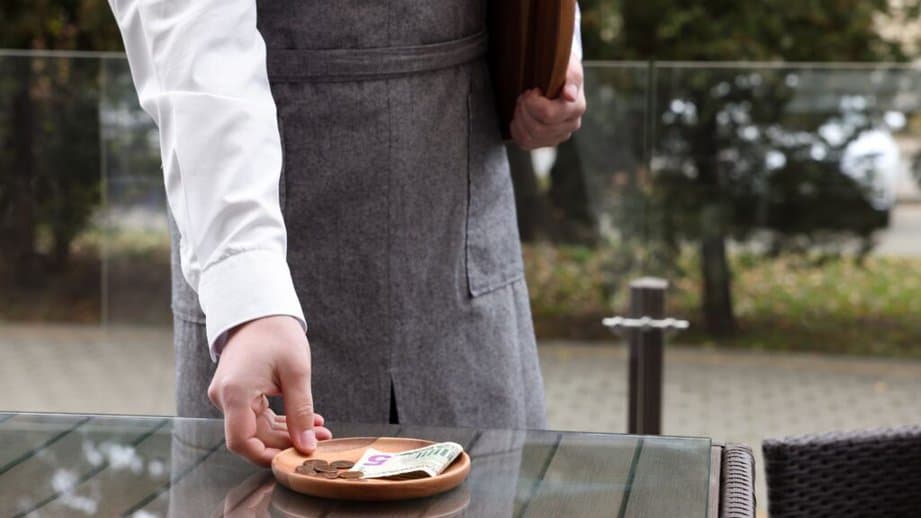
Tipping practices in Europe can differ markedly from those in other regions, with varying customs and expectations depending on the country. In many European countries, tipping is not expected or is included in the bill as a service charge; when tips are given, they are usually much smaller, around 5-10% of the bill. It is essential to familiarize yourself with the local tipping etiquette to avoid awkward situations.
Quiet Zones

Europeans often speak more softly in public spaces than people from other regions, creating a more subdued and respectful atmosphere in cafes, public transport, and parks. You will generally notice this in restaurants and busy streets; loud conversations can be disruptive and rude. Adopting a quieter tone can help you blend in and show respect for local customs.
Transit Etiquette
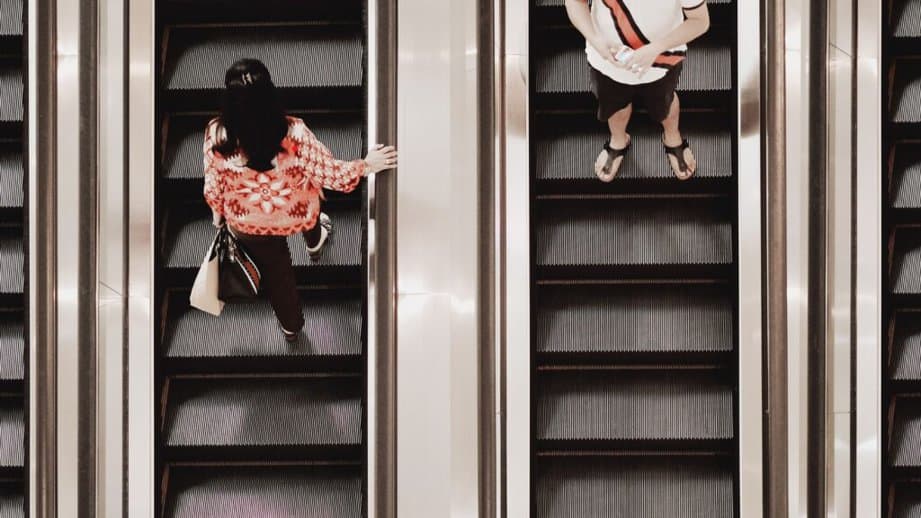
Public transportation is a way of life in Europe, and there are unwritten rules of etiquette to follow. Always stand on the right side of escalators to allow others to pass on the left, as this is the standard etiquette in many places. Give up your seat to the elderly, pregnant women, or people with disabilities; it is also polite to keep conversations low and to avoid eating smelly foods.
Sunday Closures

Many European countries still observe Sunday as a day of rest; planning your activities around this can help you avoid disappointment. It means that most shops, and even some restaurants and attractions, might be closed or have reduced hours. If you’re accustomed to the convenience of 24/7 services, you might find it surprising to encounter the more limited hours of operation in some places.
Direct Communication

Europeans, particularly in nations such as Germany and the Netherlands, are known for their direct communication style. They say what they mean without sugarcoating; this can be perceived as blunt or rude, but it’s just a cultural difference. Understanding this can help you take comments at face value without feeling offended.
Multilingual Signs
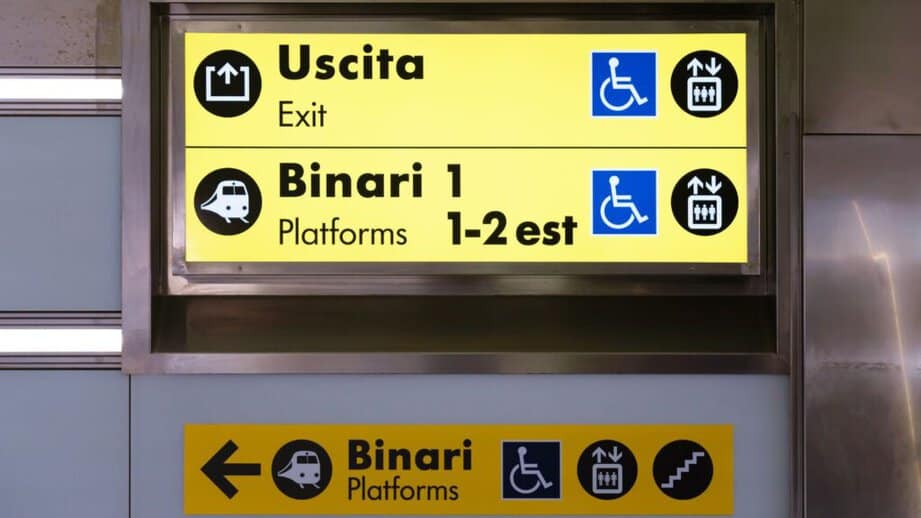
You will encounter signs in multiple languages in many European countries, especially in tourist areas. This is because some countries are multilingual. While this can be helpful, it can also be confusing if you are unfamiliar with the languages. Investing in a good translation app can be a lifesaver, helping you navigate and understand important information.
Fashion Standards
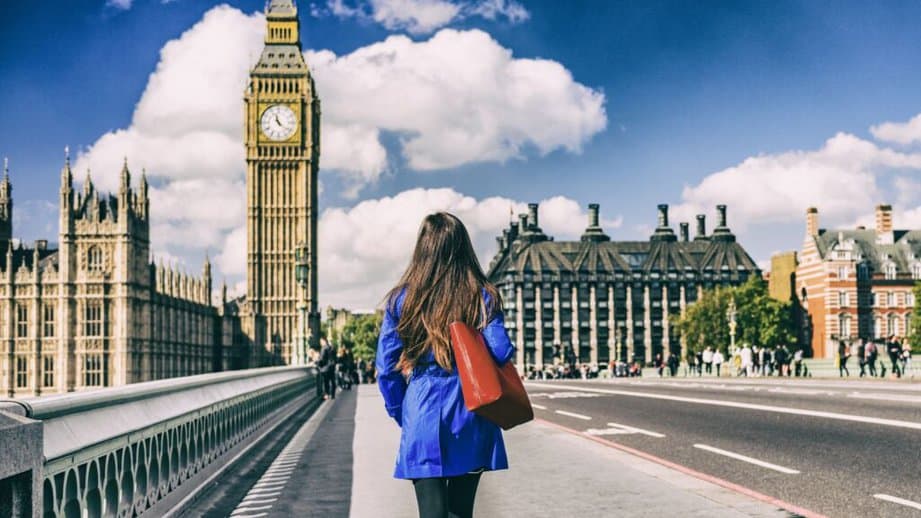
Europeans dress more formally and polished than Americans, often favoring stylish and well-coordinated outfits even in casual settings. Casual wear like shorts and flip-flops is usually reserved for the beach and not everyday wear. Dressing well, even for casual outings, shows respect for yourself and others. A more polished look can help you blend in and feel more comfortable.
Paying For Water

While most Americans are used to getting a complimentary glass of water and not having to pay for what is considered a basic need, things in Europe are quite different. In some countries, you can ask for tap water without the waiter looking at you as if you were an alien, but in many other places, this is still not normalized, and you will have to pay to order a plastic bottle.
Public Transport
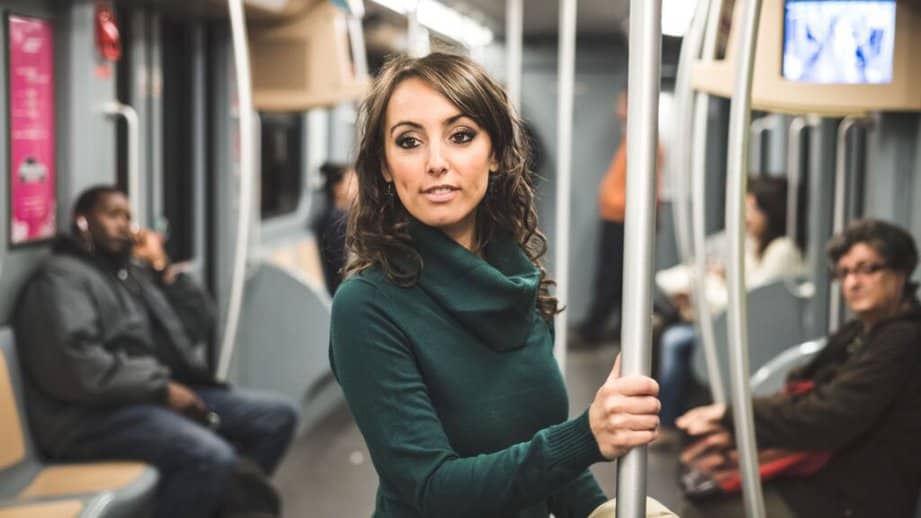
Americans heading to Europe are often surprised by how efficient public transport is here. Not only are huge cities perfectly connected, but most countries also have fantastic services for small towns and villages. Weirdly enough, plenty of Europeans not only don’t own a car but don’t even have a driving license! Be ready to see plenty of bikes and trains!
Polyglotism

Unlike the US, most Europeans speak at least two languages, with some speaking three, four, five, or more! As English is considered the universal language, most people in the United States don’t necessarily have to learn another language, although this is not the case for Europeans. That being said, don’t expect people living in rural areas to understand you.
Rest Time

It is the middle of the day, and almost all the stores are shut down. What is going on?! In some European countries, like Spain, Italy, and Greece, the tradition of a siesta—a midday break—remains a cherished part of daily life. Typically occurring in the early afternoon, siestas allow people to escape the hottest part of the day, relax, and recharge. Many businesses and shops close during this time, creating a slower pace that emphasizes rest and family time. While modern schedules have made siestas less common in big cities, they are still very prevalent and can be a shock to tourists not expecting to find things closed during the day.
Traveling to Europe is a fantastic adventure that can expand your perspective and enhance your understanding of different cultures. However, being aware of cultural differences can improve your experience and help you navigate your journey more smoothly. Embrace the quirks, adapt to the norms, and enjoy Europe’s rich cultural tapestry.


