

Put Down Your Phone! These 15 Reasons Show That You’re Addicted

Everyone is guilty of obsessively checking their phones. We are a society that, as a whole, is pretty addicted to this technology. While phones can be very useful, it also may not be healthy to constantly be looking at the screen. Take a look at these reasons why we are all addicted to our cell phones and have a hard time putting them down. Hopefully, you will be able to make a change and stop your obsession with your phone once and for all.
Note: The content of this article is for informational purposes only and is not a substitute for professional advice. Always consult with a qualified professional for advice tailored to your individual circumstances.
Instant Gratification

Smartphones are designed to provide instant gratification through likes and accessibility. This constant reward loop triggers the release of dopamine in our brains, making the act of checking our phones highly addictive. To break this habit, try delaying your response to notifications by a few minutes, gradually increasing the time. This will help reduce your dependency on immediate rewards.
Fear Of Missing Out

FOMO can be powerful and keep us glued to our phones. The idea that something important might happen online without us knowing drives us to check our devices frequently. To combat this, practice mindfulness and remind yourself that you don’t need to be constantly connected to stay informed. Set specific times to check your phone and stick to them, allowing yourself to disconnect.
Social Validation

Many of us check our phones for social validation, seeking approval from others through it. This need for validation can become an addictive cycle, where we constantly seek reassurance through our devices. To break free from this cycle, build your self-esteem outside social media. Take yourself outside in the fresh air, and gently remind yourself that your worth isn’t dependent on other people’s opinions of you.
Boredom

When faced with boredom, reaching for your phone is easy as a quick distraction. However, this habit can prevent you from engaging in more meaningful activities that could enrich your life. To overcome this, try to find different activities to enjoy or immerse yourself in a new hobby. By filling your moments of boredom with productive or enjoyable activities, you’ll reduce your reliance on your phone.
Anxiety Relief

For some people, checking their phones is a way to manage anxiety. The act of scrolling through social media or reading messages can provide a temporary distraction. However, this habit can actually increase anxiety in the long run by preventing you from addressing the root cause. To break this cycle, practice mindfulness when you get the urge to check your phone randomly.
Habitual Checking

Phone checking can quickly become a habit you engage in without thinking. This automatic behavior is often triggered by cues like sitting down or waiting in line. To break the habit, start by becoming aware of the triggers that prompt you to check your phone. Once you’ve identified them, consciously resist the urge and redirect your attention to something else.
Fear Of Silence

Many people feel uncomfortable with silence or downtime and use their phones to fill the void. This constant need for stimulation can prevent you from enjoying moments of quiet reflection. To break this habit, try embracing silence and allowing yourself to be present in the moment. Practice meditation or simply sit quietly without any distractions.
Procrastination Tool

Checking your phone can be a convenient way to procrastinate and avoid unpleasant or overwhelming tasks. However, this habit can increase stress as your to-do list grows longer. To overcome this, set specific times for phone use and create a structured schedule for your tasks. Limiting your phone use to designated breaks will make you stay more focused and productive throughout the day.
Overwhelming Notifications

When your phone buzzes with app notifications, emails, and messages, it’s hard not to feel like you have to check it immediately. This can make it tough to focus, as you feel like you need to respond to every alert. To break this habit, turn off non-essential notifications and set your phone to “Do Not Disturb” mode during certain hours. This will help you regain control over your attention and reduce the pressure to check.
Curiosity

Sometimes, the simple act of curiosity drives us to check our phones. Whether it’s wondering what a notification says or who posted something on social media, this curiosity can lead to frequent phone use. To manage this, set specific times to check your phone and stick to them. When curiosity strikes, remind yourself that whatever it is can wait. By practicing self-discipline, you’ll find it easier not to check it.
Lack Of Boundaries

Without clear boundaries, it’s easy to let phone use take over your day. Whether it’s checking work emails outside of office hours or scrolling through social media late at night, a lack of boundaries can lead to unhealthy phone habits. To break this pattern, establish specific rules for phone use, such as no phones during meals or after a certain time in the evening.
Fear Of Being Unreachable

The fear of being unreachable or missing an important call or message can keep you tethered to your phone. This fear often stems from a sense of responsibility or obligation to always be available. To overcome this, remind yourself that it’s okay to take breaks and be unavailable at times. Set an auto-response for your messages or let people know when you’ll be offline.
So Much to Track

Your phone has the ability to track almost all of your daily activities. It tells us how far we walked, what our highest heart rate of the day was and we can even use it to track what we eat and when we sleep. Your phone is an endless source of data that is all about you. It can be fascinating but also overwhelming and addictive. You want to know more and more about yourself, so you stare at your phone’s info all too often. Instead, just put down the phone and spend more time thinking on your own.
Weather Obsession
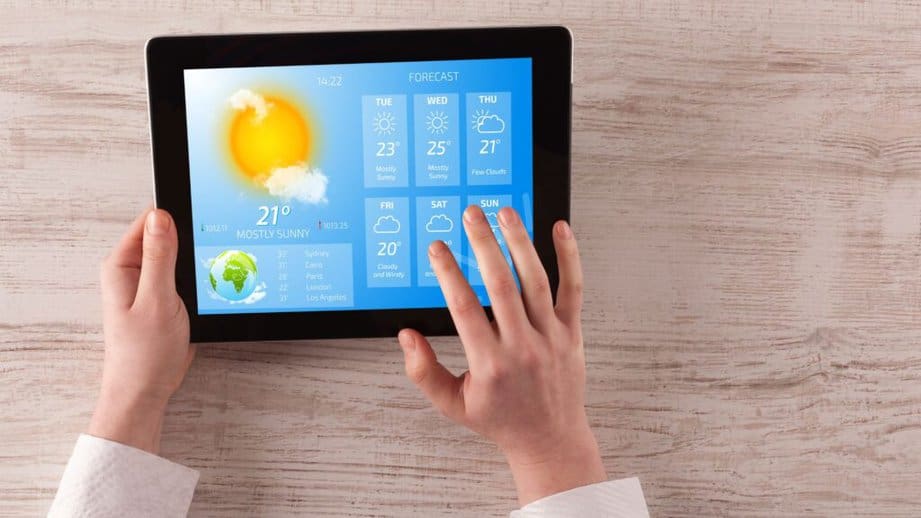
People have long been intrigued and obsessed with the weather. Our phones provide us with instant information about the weather, and many of us are constantly looking at the forecast, the temperature, or tracking that rain cloud on the radar. But we should all really stop! Look at the weather once so you know what to expect throughout the day. Then, don’t check it again. The weather won’t change that much, and you will save a lot of time enjoying the weather in real life than looking at it on your phone.


