

15 Common Dog Behaviors Explained By Experts

Have you ever wondered why your dog acts a certain way? There are some behaviors that pets seem to always do. They must mean something! The experts at Animal Channel looked at a few common dog behaviors and decoded what they refer to. Learning the meaning behind these actions will help you better understand your pup and enable you to give your dog what it needs. When you can understand what your dog is trying to tell you, both you and your pup will be happier!
Note: The content of this article is for informational purposes only and is not a substitute for professional advice. Always consult with a qualified professional for advice tailored to your individual circumstances.
Incessantly Chasing their Tail
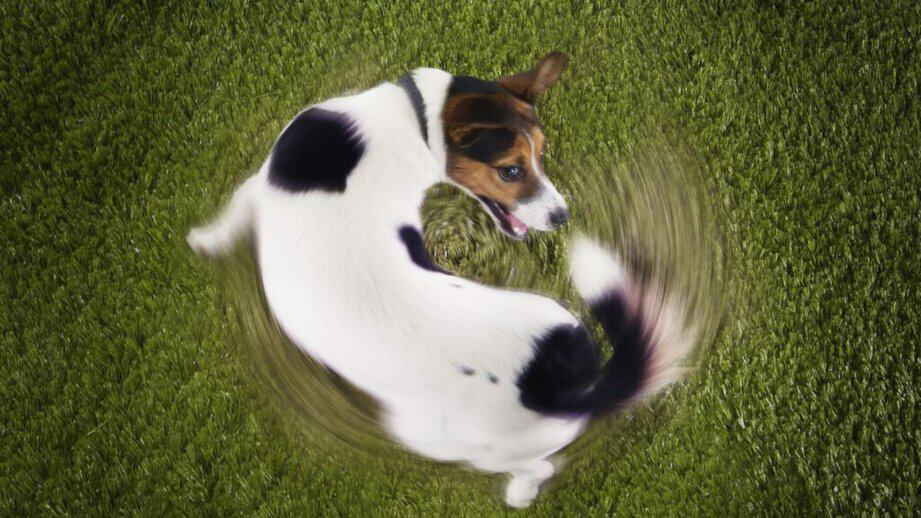
Sometimes, your doggie will occasionally wish to vent out the excess energy by spinning and chasing its tail. However, when it becomes a regular practice, it can mean trouble. Some health problems that your pup might be dealing with include brain lesions, seizures, and ear infections. These conditions can be deadly and require immediate medical attention, so being alert and proactive is crucial.
Circling and Then Lying Down
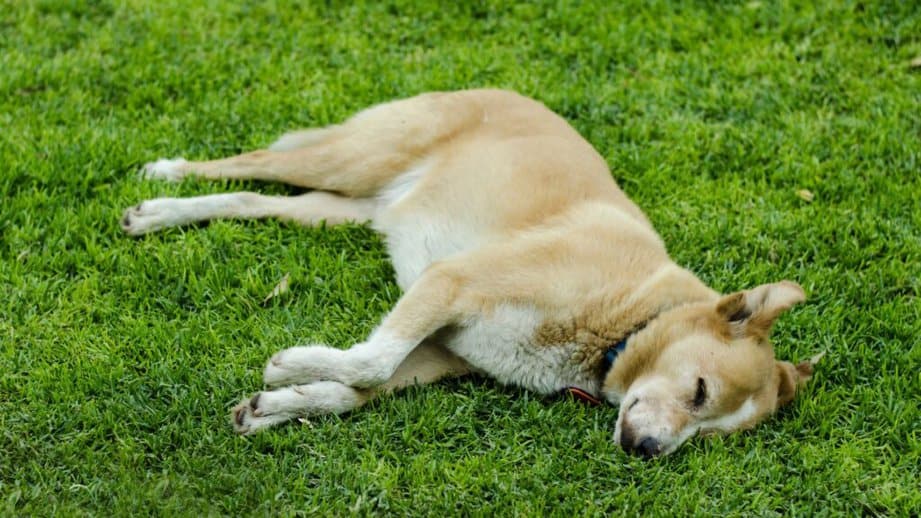
Sometimes, dogs regularly circle and scratch their sleeping spots before napping. This is your pet’s way of making its sleeping spot cozy, a behavior that reflects its species’ lineage. A bit like us fixing our bed before a good night sleep. Understanding these expected behaviors, with the guidance of a professional, can help you feel more at ease and in tune with your pet’s instincts.
Eating Grass

Veterinarians suggest that when your fur baby starts eating grass, it can be an ancestor habit. The ancestor of your fur baby did this activity to get rid of foreign bodies and parasites. This way, they removed foreign bodies and parasites with the aid of the high fiber content of grass. Some canines love eating grass due to its taste. However, taking them to a vet is always better, as eating excessive grass can be harmful.
Excessive Barking

Dogs bark excessively for several reasons, including seeking attention, boredom or loneliness, alarm or alert, fear or anxiety, territorial behavior, and medical issues. They often bark to get attention, signal boredom, or express loneliness, especially when left alone for extended periods. Alarm barking occurs when dogs sense potential danger or unfamiliar stimuli, while fear and anxiety can trigger barking during stressful situations like thunderstorms or fireworks.
Winking

It might be a pleasant surprise for you to see your fur baby giving you a wimp. However, according to experienced veterinarians, it might be due to something troubling your pet’s eye. It can also be a case wherein your fur baby is experiencing dry eyes. This is where eye drops or flushing their eyes with fresh water can work quickly. Also, a wink by your pet might indicate that your fur baby is relaxing from patrolling duties.
Sniffing Butts of Other Dogs

When dogs sniff each other’s butts, they are trying to get helpful information about the new doggie. This helps them to keep their parents safe from the new dog. The closer the two dogs’ proximity, the better their sense of evaluating whether the new fur baby is a friend or foe. This way, they can protect you better and ensure you are free from trouble.
Rolling Around in the Grass

The activity of dogs rolling around in the glass is the same as children rolling in grass – a soft surrounding that smells good and is fun. Sometimes, they find something smelly in the grass, like dead animals, insects, or a high level of urine and even musk smells. They roll in it to cover themselves in the smell. Remember, doggies love smelling foul odors.
Kicking Poop
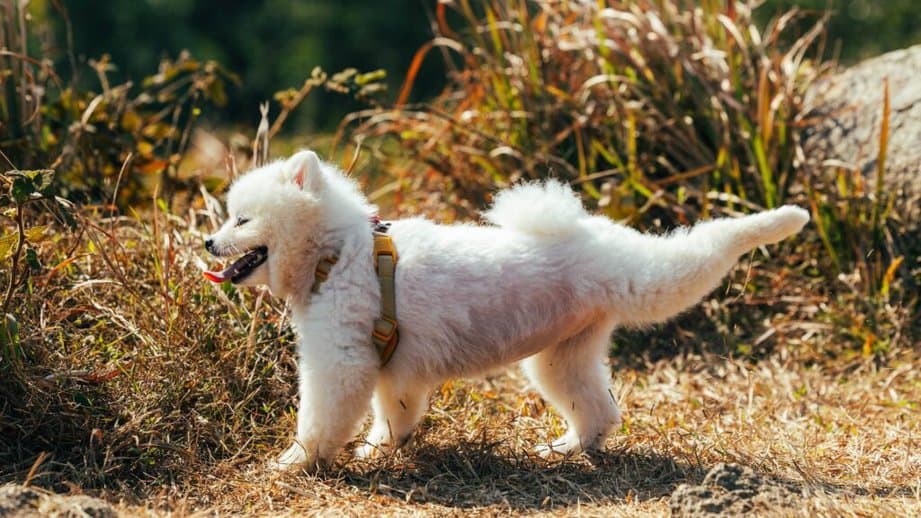
Have you ever wondered why your dog kicks their back legs after they poop? Dogs have special glands in their paws that release unique pheromones, which they use to mark their territory. When your dog scratches or kicks the ground after they go to the bathroom, they’re spreading their scent to let other dogs know, “This spot is mine!” If you see your pup kick backward after they are done popping, they’re not just stretching; they’re making a bold territorial statement.
Humping
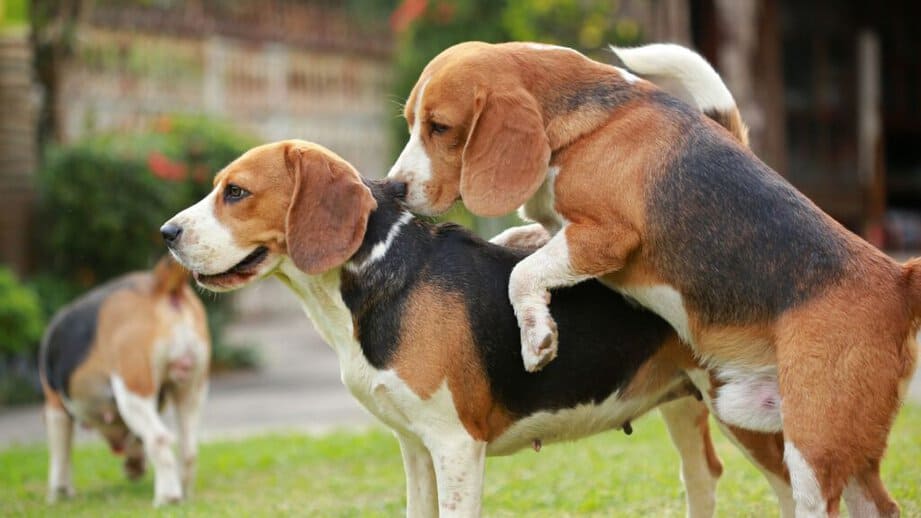
Whenever you find your fur baby humping another animal, a human, or an inactive object like a pillow or stuffed toy, it is a regular thing. It is also an intimate behavior to showcase dominance or aggression. This behavior can be found in dogs that are not socialized properly. It can also result from excessive excitement or proving dominance during playtime. However, it’s important to note that if this behavior is observed in elderly dogs, it can be a sign of back pain or sprain.
Moving Their Feet While Sleeping

Veterinarians confirm that dogs do see dreams during sleep. Hence, it is safe to assume that the movement and noise your fur baby makes during sleep is due to the vivid dream they are experiencing. You must check their eye movement if your doggie exhibits these behaviors during sleep. If it is quick, it means your doggie is in deep sleep. Don’t wake him up!
Tilting Head

To understand this pet behavior, you need to know the pinna, which is the outside of the ear flap of your fur baby. It is through this that dogs get to hear better. Consider it to be like a radar dish. It helps your fur baby to listen to a high-pitched or new noise while tilting their head back and forth. However, your pup might sometimes do this activity to showcase their cuteness. This can be to get your approval, affection, treats, or even attention.
Suddenly Becoming Energetic

Sometimes, your fur baby gets a random burst of energy, making them lap around the house or the yard. This process is known as zoomies. The primary reason for a dog to perform this activity is happiness. They also do it to pent-up energy, which means you are keeping your fur baby occupied. There are times when doggies get zoomies after taking a bath.
Eating Poop

Even though it may seem absurd to us, many dogs eat poop! Known as coprophagy, this habit is more common than you may think. This may be due to several reasons, including survival instinct. In other words, eat whatever you can because you don’t know when you will find another meal. Contact an expert to learn how to deal with it if your dog does it, too, and you want to fix the issue.
Digging

If you have a garden and a dog, chances are that the former is full of holes. But why do dogs dig all the time? Again, this may be due to several reasons. For instance, your dog may be trying to cool off or may be hunting for bugs. Who knows what delicious animal may be hiding in the ground? Lastly, dogs may dig simply out of boredom to entertain themselves.
Staring at You

Have you ever noticed that your dog is just sitting there, staring at you? They don’t bark, whine, or even move around. They just sit and stare. All this means is that they are patiently waiting for you to give them some attention. Pups who stare know that eventually, you will either give them a quick pet, a treat, or get up to play. Take their staring as a good sign that they want to be with you!
Understanding your dog’s behavior is critical to building a loving bond with your furry friend. Dogs communicate with us in various ways, and recognizing these behaviors can help you respond appropriately and meet their needs. Paying close attention to these common behaviors ensures your dog feels understood, safe, and happy. Remember, your dog relies on you for care and companionship, so being attentive to their signals is crucial.
This article was inspired by Animal Channel.


