

15 Signs You Are Acting Selfishly In Your Relationship

Relationships are two-way streets. You have to give if you expect to receive. Both people in a relationship need to participate equally in order for the relationship to work and thrive. When one person starts acting with only their own self-interest in mind, things can get messy. Take a look at these 15 signs that may show you are acting selfishly in your relationship. When you recognize your behavior, you will be able to make changes and keep the relationship alive. It is never too late to stop thinking about only yourself and start thinking about your partner instead.
Making Big Decisions Without Asking Their Partner

Imagine if your partner bought a new car without even telling you. Big decisions like this should always include both people in the relationship. When one person makes important choices, like moving to a new city or buying something expensive, without talking to their partner first, it makes the other person feel like their opinion doesn’t matter. This isn’t good for the relationship because it shows that their thoughts aren’t important. Try to make mutual decisions to develop trust and respect for each other. Ensure that both partners have an equal voice in the relationship. If there is no balance, it can make one of the partners feel ignored. Their feelings can get hurt, and they might feel they are not wanted anymore.
Taking the Last Word in Every Argument

Nobody likes arguing, but it happens in every relationship. The problem starts when one person always has to have the last word like their opinion is the only one that matters. Arguing just to win instead of trying to fix the problem shows they care more about being right than listening to their partner. In the middle of an argument, it’s easy to forget that arguments shouldn’t be about winning or losing—they should be about solving the problem together. Always needing the last word makes the other person feel ignored and unimportant. This creates stress because the fight becomes more about pride than finding a solution. In healthy relationships, it’s important to focus on fixing things, not on who wins. Over time, even small arguments can feel much bigger if this keeps happening.
Not Interested in Their Partner’s Day

It may seem small, but not listening when your partner talks about their day is a big sign of selfishness. Imagine this: your partner comes home after a hard day, ready to share their feelings, and you’re too busy on your phone or watching TV to listen. This makes them feel like what they say isn’t important. Listening is one of the best ways to show you care. They will feel ignored if you only talk about yourself and never give your partner time to speak. When someone doesn’t listen, it creates distance between them. Over time, this can cause big problems because one feels alone and disconnected. In a healthy relationship, both should listen to and support each other, even during small talks.
Treating Their Partner’s Family as an Afterthought
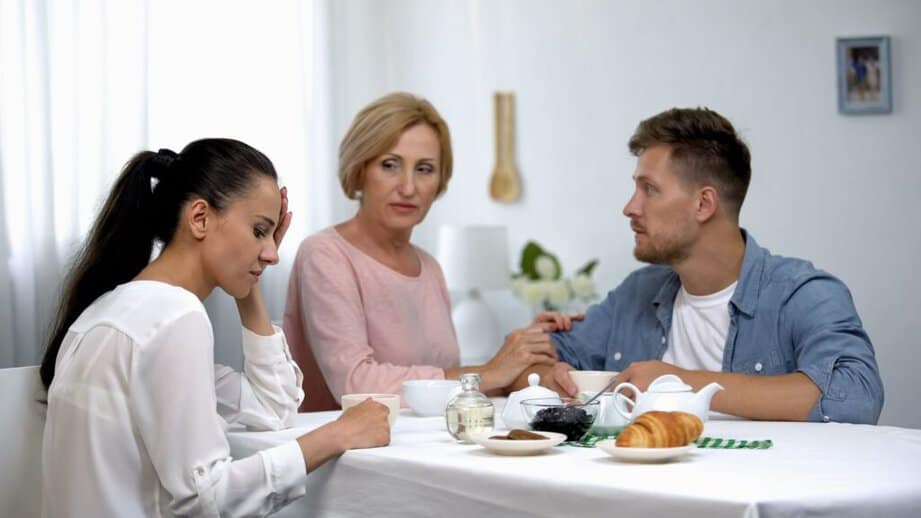
In relationships, families are often very important, but some people act selfishly by treating their partner’s family like they don’t matter. This might mean skipping family gatherings or not showing interest in family problems. When someone ignores their partner’s family, it can cause problems and make the other person feel hurt. Family means a lot to many, so not caring about them feels disrespectful. Ignoring family relationships can make a person feel distant and unimportant. It shows that one person isn’t fully committed to the relationship. Being kind and respectful to each other’s families helps build stronger connections and trust. If a partner doesn’t care about these family ties, it can hurt the relationship in ways they might not expect. Over time, this can lead to feeling left out and unhappy.
Taking Credit for Everything Good in the Relationship

It’s nice when things go well in a relationship, but if one person takes all the credit, it’s selfish. Relationships are a team effort, and both people work together to make them successful. If someone always says that everything good is because of them—whether it’s planning fun dates, keeping money stable, or offering emotional support—it ignores what the other person does. This isn’t healthy because it makes one person seem more important while the other feels invisible. Taking all the credit can make the other person feel unappreciated and forgotten. Relationships should be about celebrating what both people do, not just one. Over time, this can cause bad feelings, as the person who doesn’t get credit starts to feel taken for granted.
Using Guilt to Get Their Way

Guilt is a strong emotion; some people use it selfishly in relationships to get what they want. Imagine someone saying, “If you really loved me, you would do this for me,” or “I always do things for you, so why can’t you do this one thing for me?” This behavior is unhealthy because it makes the other person feel guilty and forces them to do things they may not want. Using guilt to get your way is disrespectful because it ignores your partner’s choices and feelings. Over time, this type of emotional control can break down trust between partners. A healthy relationship is built on respect, not making someone feel bad to get what you want. Talking about what you need without making the other person feel guilty is important.
Ignoring Their Partner’s Needs in Favor of Their Own

A selfish person often thinks their needs should always come first, no matter what. Whether choosing what to eat, planning the weekend, or bigger things like life goals, putting their wants above their partner’s is a big problem. When someone only thinks about what they want, the other person feels like their needs don’t matter. In a healthy relationship, there’s give and take from both sides. Both people should feel that their needs are important. If one person’s needs are always ignored, it creates an unfair situation. This can lead to frustration and might cause the relationship to fall apart. Over time, this selfish behavior can make one feel tired and like the relationship is one-sided.
Taking Advantage of Their Partner’s Kindness

Kindness is a great quality, but some people take advantage of it in a relationship. When one person is always kind, helpful, and willing to make sacrifices, the other might start expecting it without saying thank you. This happens when one person gets used to always taking and never giving back. For example, relying on your partner to do all the chores, handle emotions, or fix your mistakes shows a lack of respect. Over time, this makes the kind person feel used and unappreciated. Kindness should never be taken for granted; both people must give equally. A relationship built on respect and appreciation will always be stronger.
Disregarding Their Partner’s Boundaries

Everyone has emotional, physical, or mental boundaries, and it’s important to respect them. A selfish partner often ignores these boundaries, pushing their partner to do things they don’t want. This could be as simple as not giving them space when needed or pressuring them into decisions they’re not ready for. Not respecting boundaries shows a lack of care and understanding. Boundaries protect both people and help them feel safe in the relationship. Ignoring boundaries makes the other person feel uncomfortable and can cause mistrust. Over time, this disrespect can hurt the relationship and make one feel violated and unimportant.
Refusing to Apologize When They’re Wrong

Nobody likes to admit they’re wrong, but not saying sorry is one of the most selfish things you can do in a relationship. When someone refuses to say “I’m sorry,” it shows they care more about being right than their partner’s feelings. Apologizing isn’t just about saying you were wrong—it shows you care enough to improve things. Not apologizing builds a wall between people because it leaves hurt feelings unresolved. Over time, the other person feels like their feelings don’t matter. In a healthy relationship, both people should admit when they’re wrong and work together to fix things. Saying sorry is a way to show love and respect.
Neglecting Their Partner’s Emotional Needs

A relationship is more than just liking how someone looks or sharing hobbies—it’s also about connecting emotionally. Some people focus so much on their feelings that they forget their partner’s emotional needs. This happens when one person doesn’t check on how their partner is feeling, doesn’t offer help during tough times, or is emotionally distant. Ignoring your partner’s feelings can make them feel lonely and unsupported. Over time, this lack of care can cause serious problems in the relationship. Both people should feel emotionally connected and cared for in a healthy relationship. Ignoring emotions can create distance and make it hard to stay close.
Always Expecting Their Partner to Change

A big sign of selfishness in a relationship is expecting your partner to change to make you happy. Whether it’s asking them to change their habits, personality, or even how they look, this puts unfair pressure on them. A healthy relationship should be based on accepting and loving each other as you are, not trying to make someone into something they’re not. Always asking your partner to change shows that you don’t truly appreciate them for who they are. Over time, this pressure can make your partner feel like they’re not good enough and cause frustration. A strong relationship is one where both people feel valued just as they are.
Being Bossy

There should never be one boss in a relationship. Both people need to be equally in charge. When one person starts acting like the boss, the relationship is on its way down. Never act like the boss in your relationship, but work through every problem and decision as a couple. You can be the boss at work, but not at home! Equality is far more important when it comes to being a couple.
Excluding Family

If your partner is close to their family, you should also make an effort to be close to their family. Valuing your spouse’s family will show them that you care about them and are willing to make an effort to build positive relationships with the people they care about. When you ignore the family, you act like they are not important or meaningful. Spend quality time with your spouse and their family to strengthen your bond and create a healthy, positive relationship.
Expecting to Be Served

It is always nice when someone cooks dinner for you, cleans the house, or does your laundry. But you should never expect these things from your partner every single day. When you start to act like you need to be served and are incapable of doing things on your own, your partner is very likely to get frustrated and annoyed. Start acting like a team player in the relationship rather than like a child.
Selfish actions slowly break a relationship. Not listening hurts feelings. Refusing to say sorry causes distance. A strong relationship needs balance. One person in a relationship should not always come first. Selfish habits should stop early. Talking helps fix problems. Listening makes a person feel valued. Both people should make an effort. A relationship is better when both people care.


