

Do Not Bring Up These 14 Topics at the Holiday Table Unless You Want a Fight

The holidays are here, and you are probably very excited about spending time with your family. Or are you? Sometimes, the holidays come with a little bit of stress in addition to all the joy, especially when it comes to family. Holiday dinner conversations can quickly go off the rails if the wrong topics pop up, so knowing which subjects to dodge is the secret to keeping the peace and avoiding awkward debates. Some conversations, no matter how tempting, have a way of turning a festive feast into a verbal boxing match. To save your holiday dinner from eye rolls and raised voices, here’s a guide to the conversational traps you’ll want to steer clear of!
Job Situations

Work life can be a sensitive topic, especially if someone is going through a rough patch. Discussing promotions or career achievements might put unnecessary pressure on guests. Someone might feel embarrassed if they’re between jobs or unhappy with their current role. Comparing career paths or boasting about recent successes can create hidden competition. Conversations can turn into bragging or complaints, neither enjoyable for others. Instead of asking your cousin how their job search is going, focus on positive or neutral topics. The table will feel lighter without the burden of job talk. Keep it about connections, not careers.
Politics
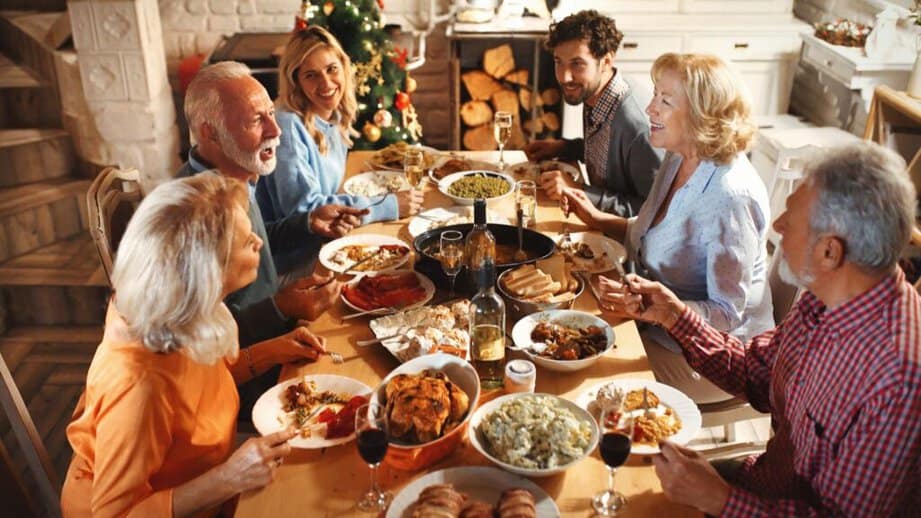
Talking about politics is like lighting a match next to dry leaves—it is bound to ignite a fire. Whether discussing recent elections or policy changes, political topics can turn civil dinner chatter into a tense standoff. Your uncle might have strong opinions that differ wildly from your cousin’s views. Heated disagreements are common when beliefs clash, and people often get defensive. The truth is that few people change their opinions during such debates, but tempers often flare. Voices may rise, and the room can turn uncomfortably quiet. For a peaceful get-together, politics is best left outside the dining room. Keep the table focused on what unites, not divides. Choose neutral topics instead.
Religion

Religion is very personal, and people care about their beliefs a lot. A simple talk about faith can turn into an argument about different opinions. Some family members might agree with each other, but others may not, which can cause confusion or hurt feelings. If Aunt Martha is very serious about her beliefs and your cousin disagrees, things could get tense fast. People can feel hurt or attacked when their beliefs are questioned. It is not easy to enjoy dinner when everyone is upset. It is best not to discuss religion during dinner to keep the peace. Conversations at the table should help people get closer, not push them apart. Everyone will feel happier if the talk is light and friendly. Keeping this in mind can help everyone enjoy the meal together.
Money Matters

Talking about finances is a quick way to make the room uncomfortable. Whether comparing salaries or discussing investments, money talk can bring out competition and feelings of inadequacy. Your sibling’s new job success might sound like boasting to a struggling cousin. Conversations about who bought what or how much someone is saving can unintentionally create rifts. Money can stir up feelings of jealousy or guilt, which leads to defensive behavior. Even light-hearted comments about vacations or new purchases can make others feel excluded. Any family gathering should be about presence, not presence. Let the focus remain on shared moments, not dollar signs. Everyone feels better when money isn’t the center of attention.
Personal Relationships

Asking about someone’s relationship status or commenting on their love life is risky. Not everyone is comfortable discussing romantic situations, especially in a group setting. Pressuring your cousin to talk about their dating life or hinting at weddings can create unease. Single people might feel embarrassed or frustrated by constant questions. Someone in a complicated relationship might not want to talk about it. This kind of conversation can make people feel defensive. Letting everyone choose how much they want to share about their private life is better. When you talk about easy and fun things, everyone feels comfortable.
Parenting Choices

Parenting is a topic where opinions differ dramatically, even those who agree on most things. Bringing up how someone parents their child can lead to judgment and defensiveness. Maybe one family member swears by a strict schedule, while another prefers a relaxed approach. If a comment comes across as criticism, it can quickly lead to frustration. No parent wants to feel judged at the dinner table. Discussing child-rearing choices may start as friendly advice but often spirals into debates on who is right or wrong. Everyone has reasons for their methods, and the holidays are not the time for debates.
Health and Lifestyle

Bringing up health topics can easily shift from lighthearted to judgmental. Conversations about weight, diet, or exercise routines might appear intrusive or critical. A cousin trying to manage their weight might feel embarrassed by comments about their plate. Even well-meaning advice can sting if it’s not asked for. Talking about lifestyle choices such as veganism or different diets can lead to defensive comments. Everyone has their way of handling health, and it is often private. Judgments or comparisons about eating habits or exercise routines can put people on edge. Keep dinner enjoyable by focusing on topics that don’t make anyone uncomfortable.
Past Conflicts

It is best to leave old arguments in the past. Talking about them can quickly ruin the happy mood at a gathering. Maybe two siblings fought years ago, but that still feels hurtful. Bringing it up can make those feelings come back and ruin the evening for everyone. Even joking about old fights can make people feel upset or angry. No one wants to remember bad times during a fun gathering. It is better to focus on making new, happy memories. Talking about past arguments only makes people feel bad. Stop and think first if you feel like bringing up an old fight. It’s just not worth making people upset.
Future Plans

Discussing future plans can sound exciting, but it might not be the best topic for the dinner table. Questions about their next steps can feel overwhelming for someone still figuring things out. Talking about life plans, whether career goals or big dreams, might not sit well with everyone. Not everyone has their future mapped out, and that’s okay. Pressure to explain what’s next can bring feelings of inadequacy or anxiety. The focus should be on the present moment, enjoying time together. Future plans can be personal, so it is better to let people share if they want to. Creating a relaxed atmosphere helps keep the celebration cheerful.
Controversial News Topics

Talking about current events can bring strong opinions, especially about serious issues. What starts as talking about a news story can quickly turn into a debate. Not everyone will agree on what they see in the news, which can cause arguments. Talking about recent events can make people feel worried, angry, or upset, and this can change the happy mood at dinner. If family members have different opinions, it can lead to arguments that last even after dinner. The main objective is to keep everyone happy and talk-friendly. It’s better to avoid topics that could cause fights. Talking about light and fun things helps everyone feel good.
Personal Achievements

Bringing up personal achievements can sometimes come across as bragging, even if that’s not the intention. Family members may feel pressured to share their successes or embarrassed if they have little to say. Your recent accomplishment might be exciting, but talking too much about it can make others feel overshadowed. People often compare themselves to others, even if they try not to. This can lead to silent envy or frustration that ruins the mood. Celebrations are about togetherness. It is not about who has accomplished the most. Instead, let everyone share what they want at their own pace. This way, everyone feels seen and appreciated without any pressure.
Social Media Behavior
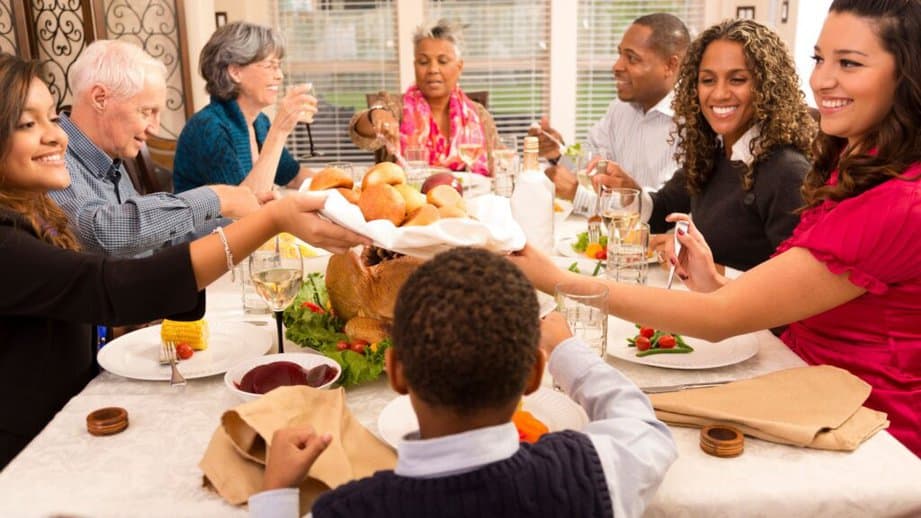
Bringing up what someone posts or how often they share on social media can lead to embarrassment or defensiveness. What starts as a funny comment about a recent post can spiral into judgments about someone’s lifestyle. People use social media differently, and talking about it may come off as criticism. It’s easy for light-hearted teasing to become more serious than intended. If someone feels judged for how they share their life online, it can dampen their mood. These conversations can be more impactful than they seem and might lead to hurt feelings. It is better to keep the conversation in real life and avoid bringing up what’s posted online.
Illnesses

Bringing up illnesses at the holiday table can quickly shift the mood from festive to heavy. Discussing personal health issues or someone else’s medical conditions can make people uncomfortable, especially if it wasn’t invited into the conversation. It might also lead to unsolicited advice or opinions that could come off as completely rude and unnecessary. Keeping the conversation light and focused on positive topics helps maintain a cheerful and enjoyable atmosphere for everyone.
The Holiday Financial Burden

Talking about the cost of gifts, travel, or holiday expenses can ignite stress and tension among family members. Not everyone has the same financial situation, and discussing money can make people feel judged or inadequate. It might also lead to disagreements over who should contribute what or how much is “too much” to spend. To avoid this, focus on the joy of the season rather than the price tag attached to it!
The wrong topic can make even the happiest dinner feel tense and awkward. Knowing which things to avoid talking about is important so everyone feels comfortable and happy. The goal is to share stories, eat good food, and enjoy each other’s company. When everyone feels relaxed, the laughs and fun moments come easily. Choosing topics that bring joy helps keep the mood light and friendly. No one wants to spend dinner in a debate or with long, awkward silences.


