15 Controversial Things Americans Think Should Be Banned Right Now
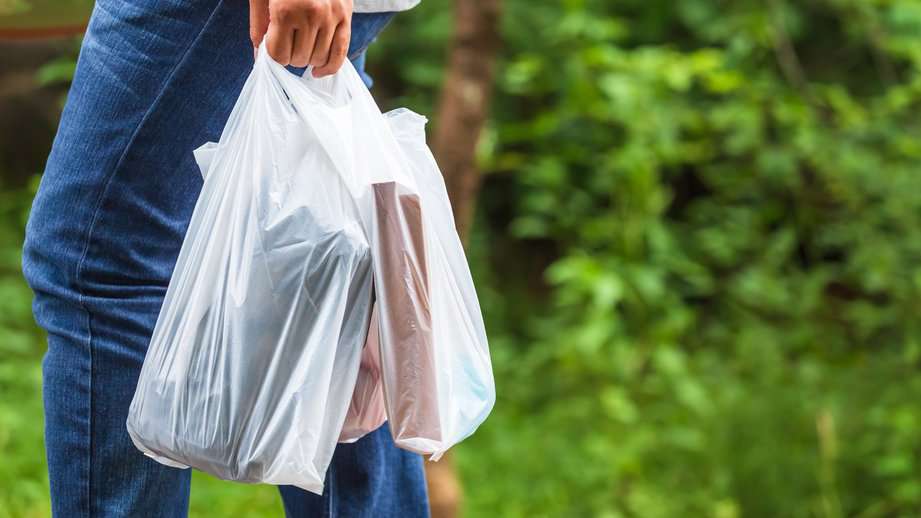
The US has rather relaxed rules regarding some issues. While this can be good for some products and items, there are many cases where the relaxed policies need to change. Banning these items would not only benefit the environment but would also help people’s overall physical and mental health. Take a look at these things and see if you agree that banning them would be beneficial. Lots of places around the world have already rejected these items! Do you believe the US should do the same?
Single-Use Plastics
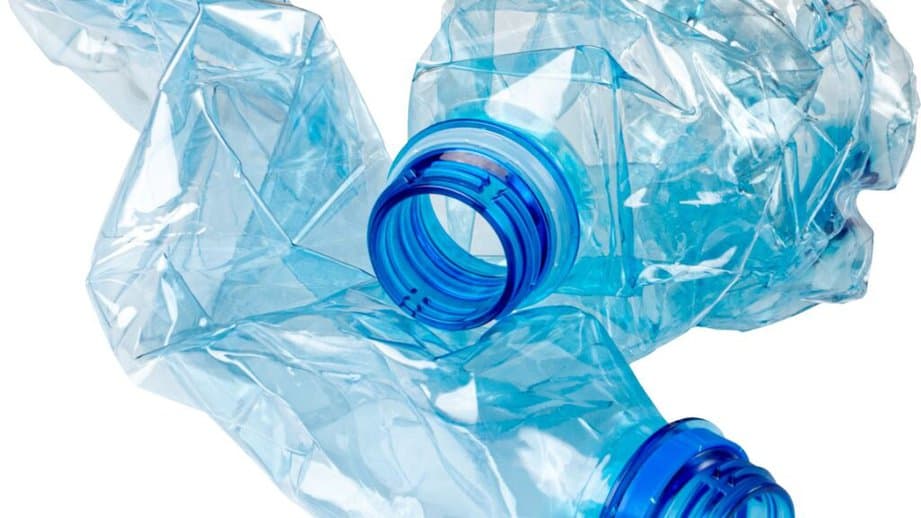
Many people advocate for banning single-use plastics due to their significant environmental impact. Items like plastic bags, straws, and cutlery contribute to massive amounts of waste and pollution, harming wildlife and ecosystems. Countries and states that have already implemented bans on these items have seen positive environmental changes, and supporters believe the US should follow.
Unregulated Supplements

The dietary supplement industry has boomed in recent years but remains largely unregulated. Many people believe that unregulated dietary supplements should be banned due to the potential health risks they pose without being lab tested. Without strict oversight, these products can contain harmful ingredients or misleading labels that may affect all Americans.
Excessive Pharmaceutical Advertising

The US is one of the few countries that allows direct-to-consumer pharmaceutical advertising. Critics say this practice can put vulnerable groups of people at risk. They believe that banning these advertisements would reduce the pressure on doctors and patients to use expensive, unnecessary medications and instead focus on health and wellness, for the benefit of all.
Factory Farming

Factory farming is another area where many people need a ban. These large-scale industrial operations are known for their inhumane treatment of animals and significant environmental damage. Advocates for the ban believe that moving towards more sustainable and humane farming practices would improve animal welfare and reduce environmental harm.
Hate Speech

Hate speech has been a growing concern, with many calling for its ban to protect vulnerable communities. While freedom of speech is a cornerstone of American values, supporters of the ban argue that hate speech incites violence and discrimination. They believe that stricter laws against hate speech would create a more inclusive and respectful society.
For-Profit Prison
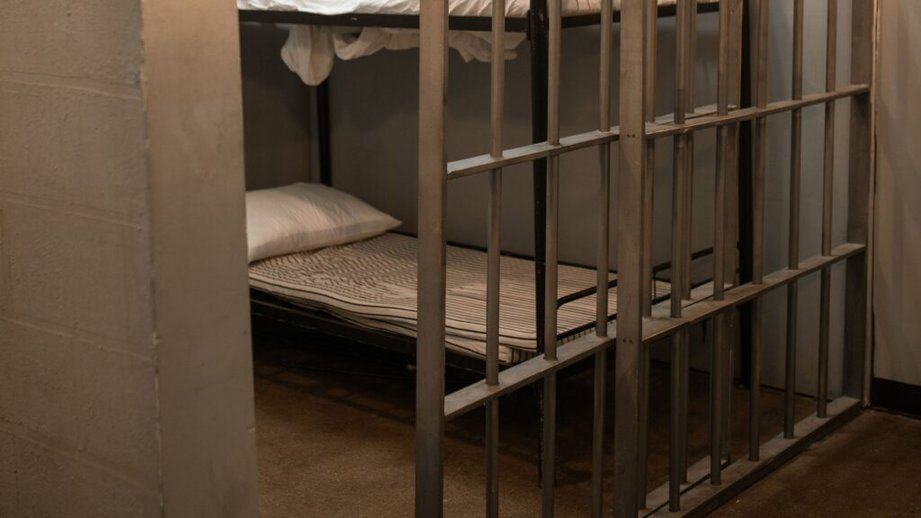
The existence of for-profit prisons is a contentious issue, with many arguing for their ban. Critics claim that these institutions prioritize profit over rehabilitation, leading to higher incarceration rates and poor conditions for inmates. Banning for-profit prisons could shift the focus towards rehabilitation and reduce the incentives to incarcerate for monetary gain.
Predatory Lending Rates

Many people want the US to consider banning predatory lending practices, like payday loans with super high interest rates. These practices often exploit vulnerable individuals, trapping them in cycles of debt. Banning such practices could protect consumers from financial exploitation and encourage fairer lending practices, for instance avoiding the poor to becoming even poorer.
Cosmetic Testing On Animals

There is a growing movement against animal testing for cosmetics, with many advocating for its ban. They argue that with modern science and technology, animal testing is unnecessary and inhumane. Banning this practice could promote cruelty-free products and encourage the development of alternative testing methods free from animal exploitation.
Plastic Microbeads

The plastic microbeads that are found in exfoliants and toothpaste are harmful to marine life and ecosystems. Many people support a ban on these tiny plastics, as they are difficult to filter out of wastewater and end up in our oceans. Banning them could help prevent possible environmental damage and protect our ecosystems, which∂ is especially crucial nowadays.
Tobacco Products

Despite the known health risks, tobacco products are still widely available. Many advocate for a ban on these products – similar to the already existing ban on many other drugs – to reduce smoking-related illnesses and deaths. By banning tobacco, proponents believe it could result in a healthier population and ease some of the smoking-related issues in healthcare.
Styrofoam
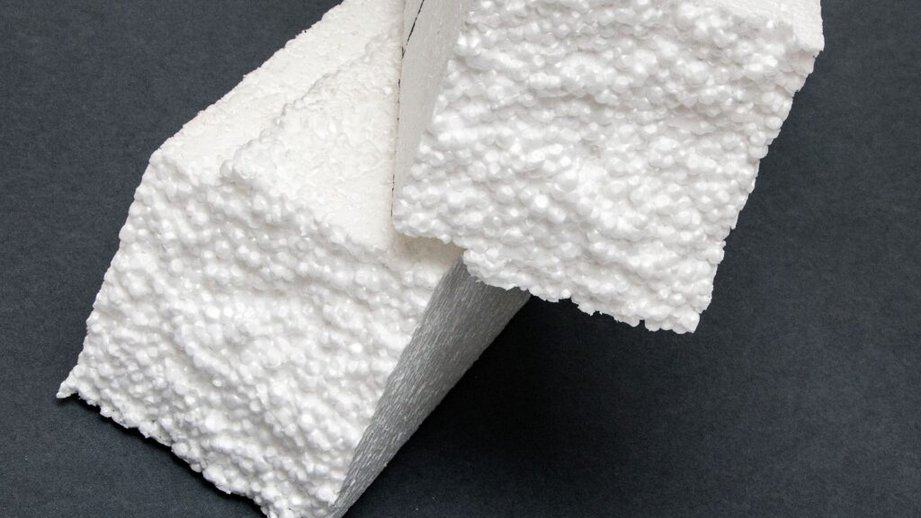
Styrofoam is another item on the environmental hit list, with calls for its ban due to its non-biodegradable nature and difficulty in recycling. Banning Styrofoam products like food containers and cups could significantly reduce landfill waste and environmental pollution, pushing for more sustainable alternatives made from biodegradable materials.
Aggressive Telemarketing

Aggressive telemarketing practices have long been frustrating and annoying for many people. These unsolicited calls often come at inconvenient times, pressuring individuals into making purchases or donations they may not want to. There is a growing call for banning such aggressive telemarketing tactics to protect consumers from harassment and invasion of privacy.
Robocalls

Who doesn’t hate robocalls? For those of you who are not familiar with them, robocalls are automated telephone calls that deliver a prerecorded message. The main aim of robocalls varies but can range from political campaigns to telemarketing. It’s already incredibly annoying to be called by someone you don’t know. Still, the whole thing becomes infuriating when it’s not even a person interrupting your day but a registered voice.
Leaf Blowers

This may surprise some, but people are pushing to ban leaf blowers. Why? These machines are not only incredibly loud but also harmful to our environment. Gasoline-powered leaf blowers release toxic chemicals into the environment, disrupting our ecosystems. This is why people are now pushing local governments to opt for better alternatives and reconsider the usage of these machines.
Advertising to Children

So many advertisements are designed specifically for children. Children are particularly impressionable and often cannot distinguish between entertainment and advertising. They simply don’t know what is for fun and what is pushing them to want to purchase certain toys and foods. This advertising can lead to increased materialism, unhealthy eating, and unrealistic expectations. Prioritizing children’s well-being over corporate profits creates a safer, healthier environment for future generations. Advertising to children is something the US needs to change.