16 Mind-Blowing Ways A Woman’s Body Transforms Each Month
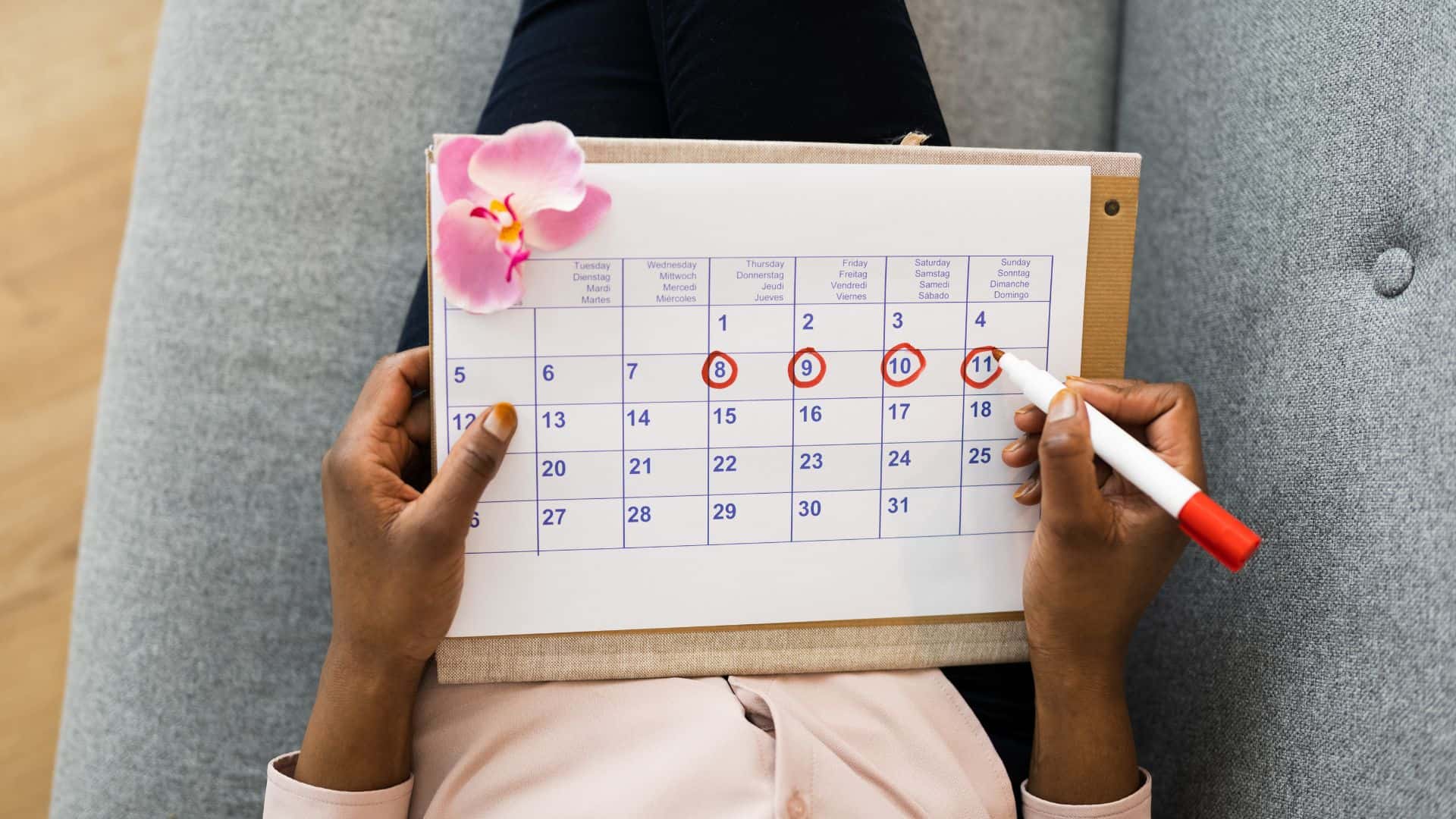
A woman’s body is an amazing thing. When you stop to think about how much a woman’s body does every month, it is almost unbelievable! Take a moment to see how much a woman’s body shifts and transforms in just a single month. It is nothing short of amazing. It will make you appreciate your body more than ever! And to all the guys out there, get ready to be amazed by what every woman around the world deals with every day. I hope you will appreciate the women in your life after reading this!
Estrogen Peaks
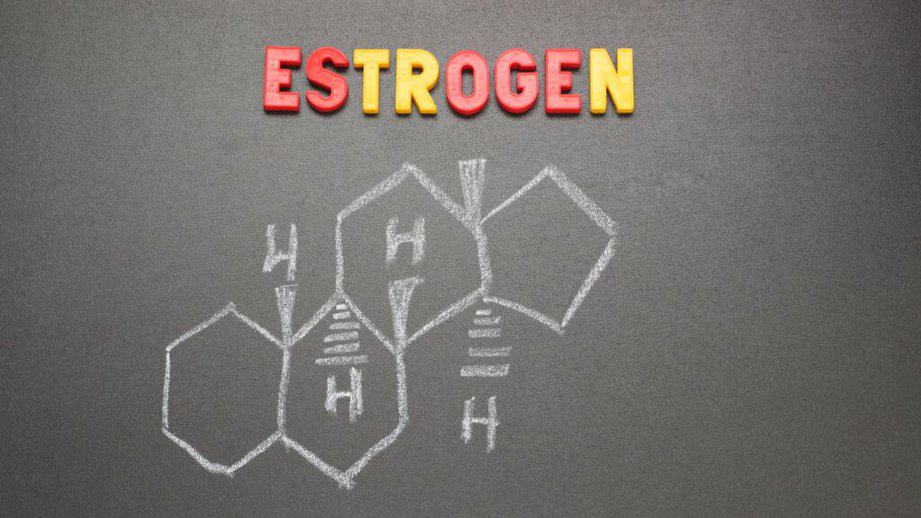
Every woman’s menstrual cycle starts with the arrival of blood, which is referred to as the first day. This is the moment when estrogens are at their lowest levels. However, ten days after their first day of menstruation, women experience an estrogen peak corresponding to the so-called follicular phase. During this period, women tend to feel more energetic and happier.
Progesterone Peaks
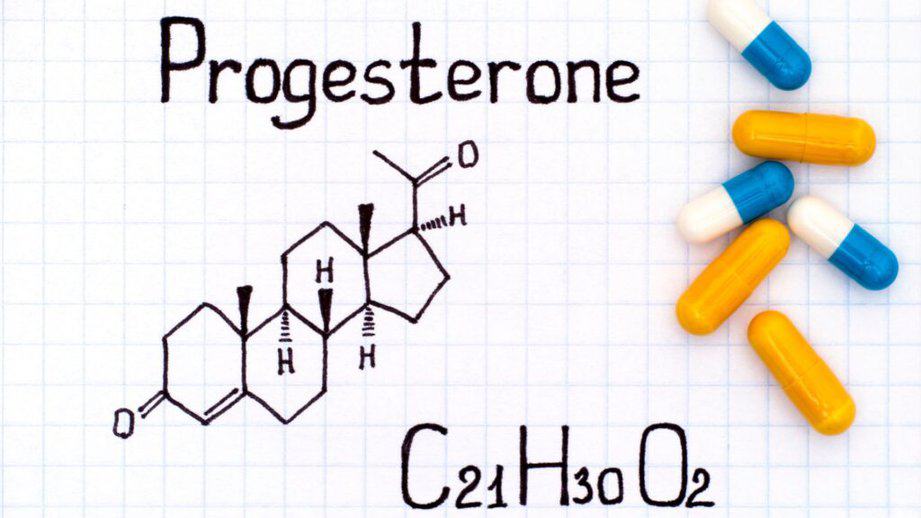
Similarly to estrogens, when women start bleeding, their progesterone levels are at their lowest. However, they then experience a progesterone peak between days 20 through 23 of their menstrual cycle, a phase known as the luteal phase. During this period, women may feel fatigued and bloated.
Ovulation
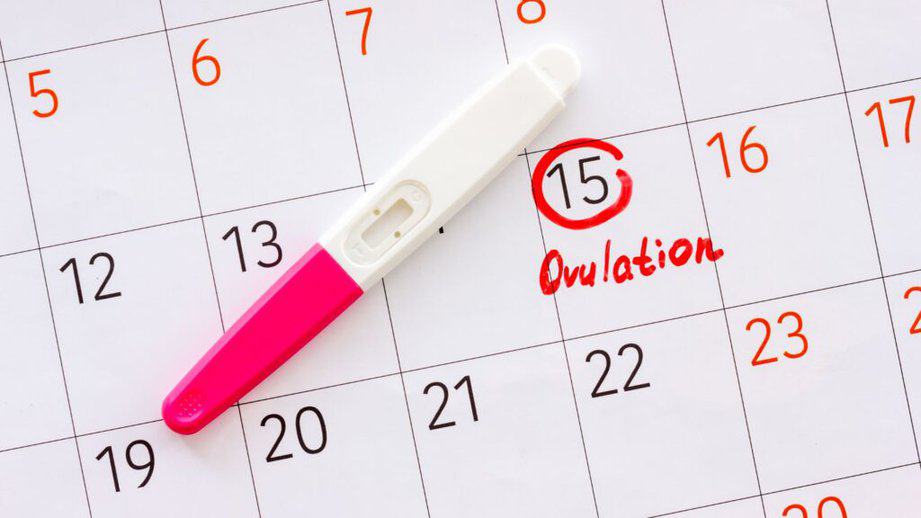
Once a month, women release an egg, called ovum, from the ovaries. This phase is called ovulation and corresponds to a fertility peak. Women who are trying to get pregnant can track their ovulation with predictor kits measuring the level of luteinizing hormones in their urine.
PMS Symptoms
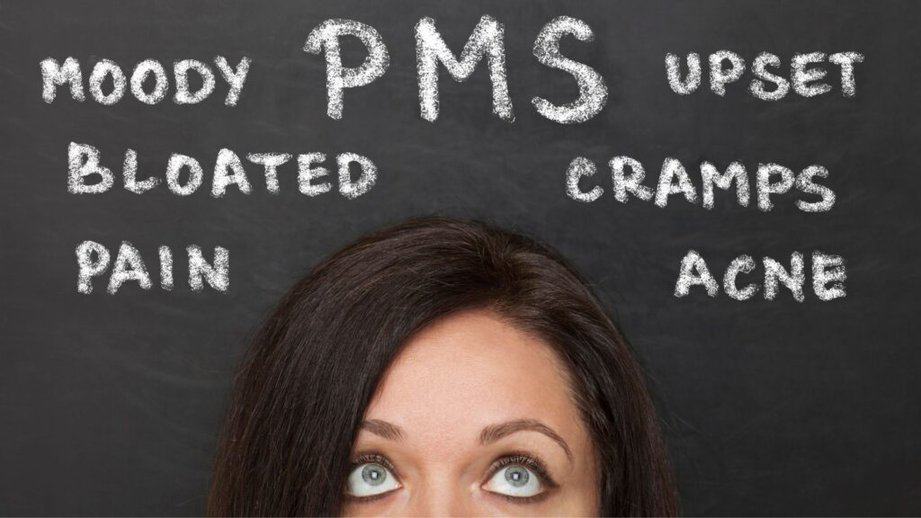
Lots of women experience premenstrual symptoms right before the beginning of their period. Some of these include mood swings, bloating, greasy hair, headaches, and breast tenderness, just to mention a few.
Libido Changes

Plenty of women also experience libido changes throughout their menstrual cycles. Most women reported higher libido during ovulation or at the end of their follicular phase. This is the period when a woman’s estrogen levels tend to be at their peak.
Uterine Lining Sheds
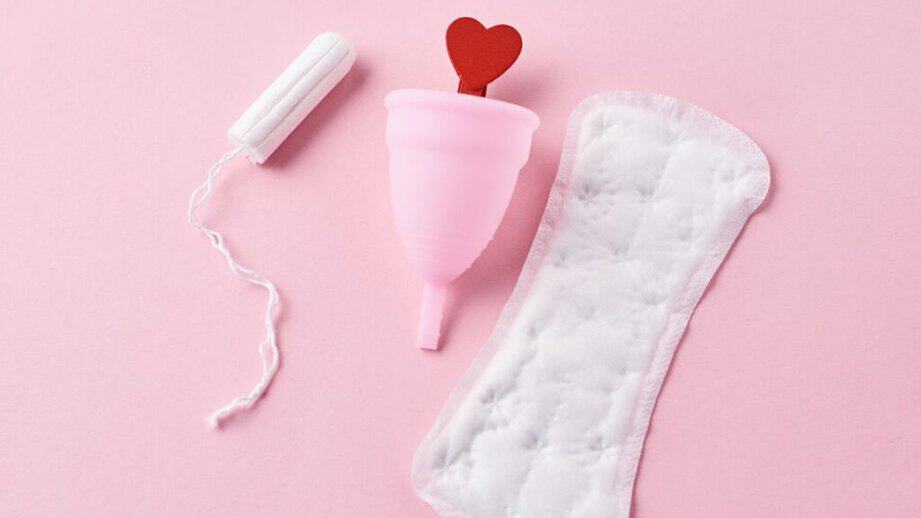
We all know that women bleed once a month. However, most people don’t really know what causes the blood. This is simply the lining of the uterus shedding, which happens when fertilization does not occur. Understanding the menstrual cycle and its biological processes can help debunk misconceptions and promote menstrual health awareness, empowering individuals to make informed decisions about their reproductive health.
Cervical Mucus Discharges

Cervical mucus discharges are another standard change in women’s bodies. These may occur throughout the month but are more likely to happen right before and during ovulation. Cervical mucus plays a crucial role in fertility by providing a hospitable environment for sperm survival and transportation, underscoring the importance of monitoring these changes for those trying to conceive or avoid pregnancy.
Cravings

Women also tend to crave more food during their luteal phase, which starts with the release of the egg and ends with the beginning of their period. During this phase, women may eat more and crave food they would not normally eat.
Mood Swings
Mood swings are another common change women experience on a monthly basis. These are more likely to happen right before the beginning of your period due to PMS. In particular, during this period, women may experience more negative feelings, including sadness, anger, and tiredness.
Bathroom Habits
Strangely enough, some women also report a difference in their bathroom habits during their period. Bowel movements can, in fact, change during menstruation, causing constipation or diarrhea. These changes in bowel movements during menstruation can be attributed to hormonal fluctuations and uterine contractions affecting the digestive system.
Bloating

Bloating is quite common among women and may occur roughly one to two weeks before your period. Bloating, often accompanied by water retention, can be attributed to hormonal fluctuations, particularly changes in estrogen and progesterone levels, which affect fluid balance in the body during the menstrual cycle.
Cramps

Many people believe that cramps occur only during menstruation, but plenty of women experience these also during other periods of the month, such as during ovulation, right after their period, or right before it.
Energy Levels

Every month, women experience different energy levels. For instance, women tend to experience a drop in energy levels at the beginning of their periods. This means they may sleep longer, take a few naps throughout the day, or just not be in the mood for tiring activities.
Different Workout Routines

Women’s training performance is also affected by their menstrual cycles. For instance, most women experience a drop in energy right before their period, meaning they may be less willing to train. Intense activity during this phase may not be ideal. Women should instead focus on light training, such as long walks or yoga sessions.
Lower Back Pain
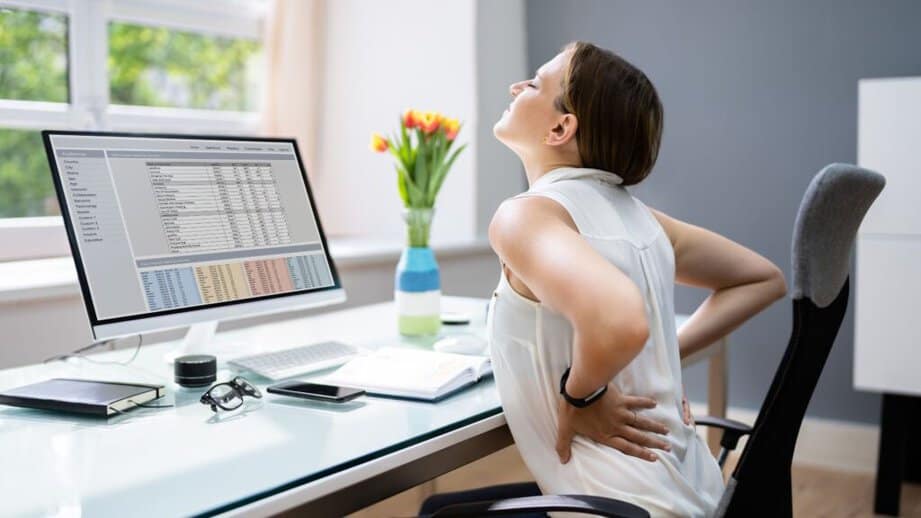
While most women understand why cramps occur during menstruation, lower back pain is a little more of a mystery. However, it is something that happens to many women. As your uterus contracts, the pain may spread to your lower back and hips. This is especially true for people with high hormone levels, especially prostaglandin. The pain associated with your period isn’t just concentrated in your uterus but can affect your entire body! Oh, the things women go through every single month…
Severe Sensitivity

During menstruation, a woman’s body becomes more sensitive and receptive to touch. The rise and fall of hormones can make breasts feel sore or swollen, adding to the physical sensitivity many women experience. Pain sensitivity often increases as well as the uterus contracts and expands. This can lead to backaches, skin sensitivity, and overall soreness. Emotional sensitivity is also common, as fatigue and shifting hormones impact mood and energy levels throughout the cycle. All those heightened senses and emotions are no joke!