

15 Simple Yet Successful Techniques To Handle Anxiety
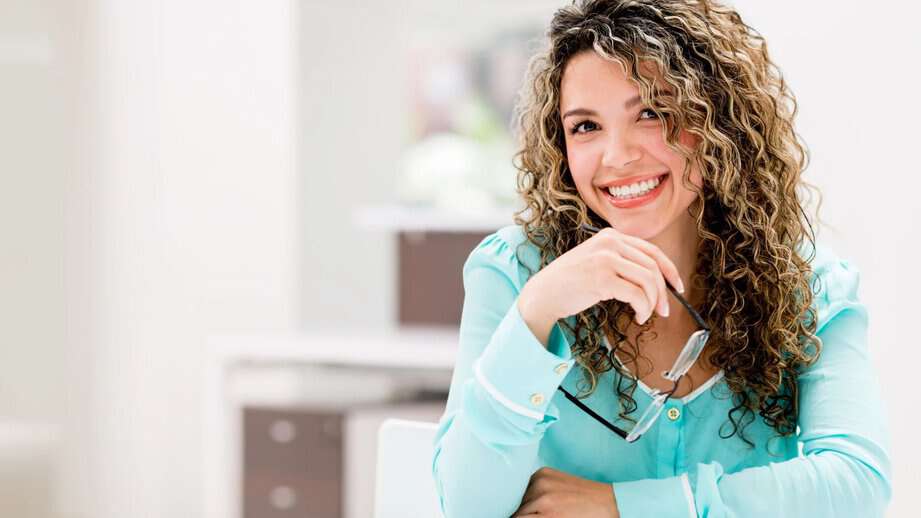
Handling anxiety can be quite difficult. This can impact every part of your life, causing you to be concerned about everyday things. Although getting professional help is always the best option for this problem, if you believe your situation isn’t too severe, you might try a few coping strategies first to improve how you feel. Of course, none of these will work instantly, but with a bit of patience, you may feel all the benefits of these simple practices.
Note: The content of this article is for informational purposes only and is not a substitute for professional advice. Always consult with a qualified professional for advice tailored to your individual circumstances.
Mindfulness & Meditation

Photo credit: Canva Pro
Mindfulness and meditation are all about concentrating on the present moment without judging it and can be really helpful for reducing anxiety. Taking a few minutes each day to sit quietly and observe your thoughts and sensations can promote a sense of calm and clarity. Mindfulness teaches you to acknowledge anxious thoughts without becoming overwhelmed by them.
Regular Physical Activity

Exercise is good for your body and your mind. When you work out, your body releases endorphins, natural mood lifters. Whether going for a jog, doing some yoga, or taking a brisk walk, getting moving can help reduce anxiety and make you feel more emotionally steady and mentally prepared to handle any anxious thoughts or feelings. Even though it may be difficult to start, try something little, such as a quick 10-minute yoga session, and see whether you feel like doing more afterward.
Eat Like You Care About Your Body

Remember to eat a balanced diet with fruits, veggies, and proteins, such as beans and eggs, to keep your energy levels in check. Foods high in fatty acids and complex carbs can regulate neurotransmitters that affect your mood. Avoid consuming too much caffeine and sugar in your diet so you don’t experience energy crashes that can make anxiety worse.
Get Quality Sleep

Getting good sleep is important for keeping your mind in a good place. Experts say it’s best to stick to a regular sleep schedule and shoot for 7-9 hours each night. Winding down before bed, like reading a book, taking a warm bath, or having a hot cup of tea, tells your body it’s time to relax and get ready for good sleep, making it way easier for you to fall asleep.
Utilize Your Breath

Taking slow, deep breaths can help with anxiety. It’s a great way to manage those anxious feelings. It triggers the body’s relaxation response, which helps counteract symptoms of anxiety, such as rapid heart rate and shallow breathing. This simple and accessible practice can be a powerful tool for calming your mind and body during moments of anxiety or stress.
Limit Media Exposure

Constant news and social media exposure can increase your anxiety, particularly with overwhelming or distressing information that’s so readily available online. Setting boundaries on media use and unfollowing negative accounts can help regain perspective and focus on activities promoting relaxation. Try to install a time tracker on your phone to limit your usage.
Lean On Your Support System

Maintaining strong, healthy relationships with friends, family, or support groups offers vital emotional support during anxious times. Sharing feelings with trusted individuals who provide empathy, encouragement, and practical advice reduces loneliness and enhances resilience. Never allow yourself to feel like a burden when you need someone to lean on; we all need a little support now and then.
Progressive Muscle Relaxation

PMR is all about tensing and relaxing muscle groups to help you relax and reduce tension, which can ease anxiety symptoms. Doing this regularly enables you to recognize muscle tension more easily. It allows you to learn how to release stress, which can help you manage it consciously and more efficiently throughout your day. A great ally!
Use Your Creative Outlets

Creative activities like painting, writing, or playing music on whatever instrument you own provide outlets for expressing emotions and reducing anxiety. Channeling anxious energy into creative endeavors—personal or shared—can be therapeutic and empowering. They also work to get your mind away from your anxious thoughts and have a better outlet to express them.
Set Realistic Goals

Remember to set achievable goals to help manage the anxiety of the future. You can see your progress more clearly by disassembling big tasks into more manageable steps. Focusing on realistic goals can boost your confidence and reduce feeling overwhelmed. Clear goals can bring structure and purpose to your life, giving you a sense of control.
Be Grateful For The Little Things

Being grateful involves acknowledging and appreciating the good things, both big and small, that occur daily. Maintaining a gratitude journal and consciously noting our daily blessings can cultivate joy and resilience, even amidst difficult and challenging situations. This practice helps shift our focus away from anxiety and towards a greater appreciation for the positive aspects of our lives.
Seek Professional Support

When anxiety starts affecting your daily life, it can be super helpful to talk to a therapist or counselor. Therapy gives you a safe place to explore your feelings, learn ways to deal with them, and devise your own tricks for handling anxiety. It can help boost your overall well-being during the day and make you stronger and more resilient. You will be surprised by how much you will learn.
Establish A Routine

Establishing a routine can help you feel more grounded and bring clarity and structure to your life. Predictability can be a great ally in reducing anxiety, so try to schedule as much time as you can. For instance, you can develop a morning and evening routine or daily habits to help you be more organized and reduce unexpected events and situations that may lead to stress.
Spend Time In Nature

When was the last time you went on a hiking trip? The last time you spent a night camping in the wild? The last time you visited the nearest park to enjoy a picnic with your friends? Spending time in nature can help us re-focus on what truly matters: our health, friends, and peace of mind. How can you de-stress if you constantly stare at your laptop surrounded by gray walls?
Rethink That Drink

If you are dealing with anxiety, you may want to avoid that extra cup of coffee. While you probably don’t have to eliminate caffeine entirely, this may be the right moment to rethink whether you consume too much of it. But coffee is not the only drink you should try to reduce. If you tend to drink alcohol every night or exaggerate every weekend, this is probably the time to change your drinking habits.


