

15 Hidden Secrets of The Fashion Industry They Don’t Want You To Know

Have you ever really considered how the clothes you wear were made? There is a lot going on behind the clothes we choose, from the drawing pad to the actual production of each item. Fast fashion is the trend right now, and it may not necessarily be a good thing. Our impulse and desire to purchase new clothes and constantly update our wardrobe comes with many serious side effects. From environmental issues to human rights violations, there is a big downside to fast fashion and how our clothing is made. We wanted to bring a few of these issues to light, and you may be very surprised by what you learn about the fashion industry.
Note: The content of this article does not reflect the Writer’s personal beliefs.
Exploitative Labor Practices
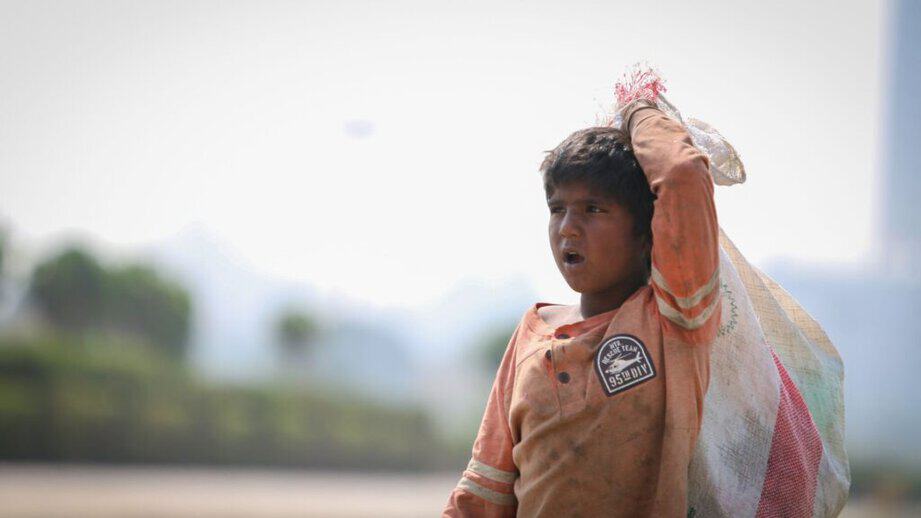
At the heart of the fashion industry’s global supply chain lies a harsh reality: exploitative labor practices. In many developing countries, garment workers, often women and children, are subjected to long hours, low wages, and unsafe working conditions. The pressure to meet fast fashion’s demand for cheap, disposable clothing perpetuates a cycle of exploitation and economic vulnerability.
Environmental Impact Of Fast Fashion
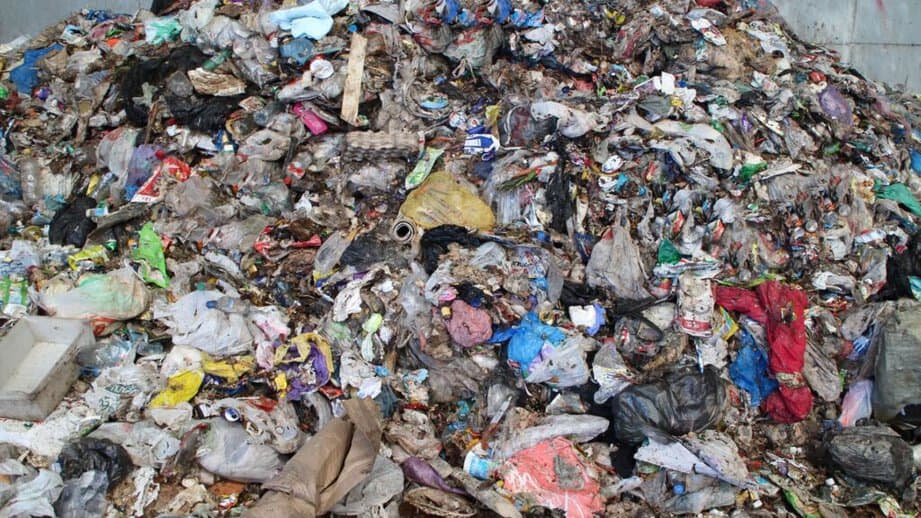
The fast rise and allure of fast fashion (cheap, trendy clothing available at a moment’s notice) comes at a staggering environmental cost. From sourcing the raw materials to making the clothes, getting them delivered, and getting rid of them, every step of the fashion process impacts and contributes to environmental degradation and a staggering amount of waste.
Human Rights Violations
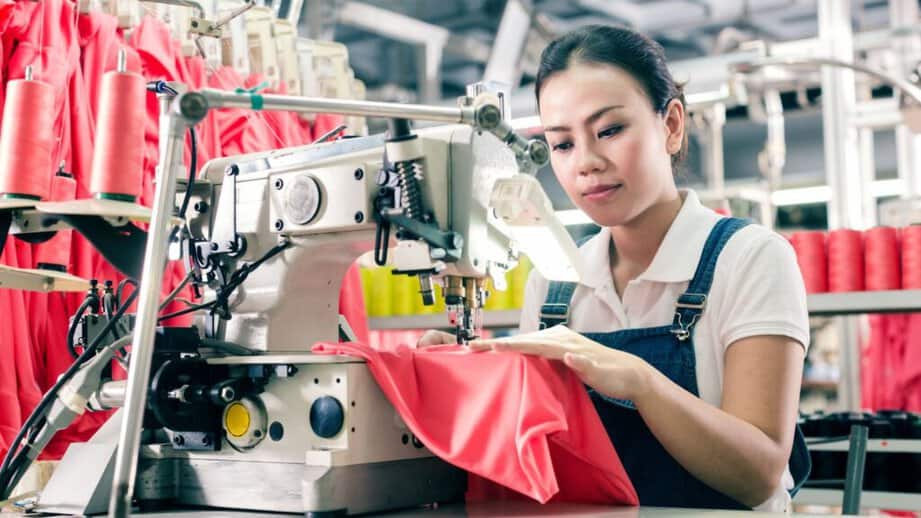
Behind the scenes of luxury brands and high-street retailers, human rights violations persist within the fashion supply chain. Reports of child labor, forced labor, and unsafe working conditions continue to surface, particularly in regions where regulations are lax and oversight is minimal. Consumers and brands alike should prioritize ethical sourcing and humane working conditions.
Body Image And Unrealistic Standards

Fashion has long been criticized for promoting narrow, unrealistic standards of beauty and body image for both men and women. From size-zero models and lack of representation to airbrushed perfection in advertising, the industry’s portrayal of an idealized aesthetic can fuel insecurities and contribute to mental health issues like body dysmorphia and eating disorders.
Waste And Overconsumption

The relentless pursuit of new trends encourages overconsumption, as garments are often worn only a handful of times before being discarded. People throw away clothes like they’re nothing, which adds to tons of textile waste each year, ending up in landfills. The solution to this throw-away, fast-fashion culture is to be more intentional with purchases and clothing items.
Cultural Appropriation
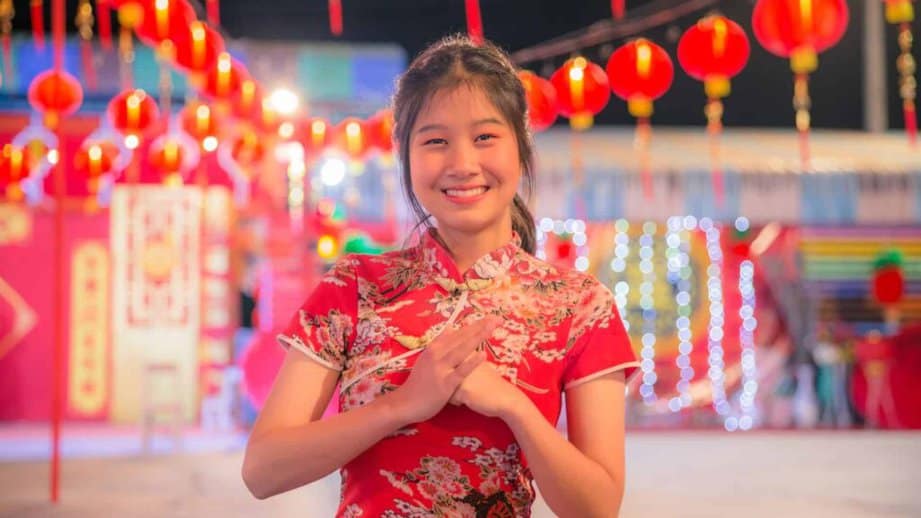
Fashion’s tendency to appropriate cultural symbols, patterns, trends, costumes, and traditions without proper understanding, acknowledgment, or respect for the culture of origin can perpetuate stereotypes and belittle and erase cultural identities. From runway shows to retail collections, many instances of cultural appropriation continue to spark controversy and outrage.
Impact On Local Economy
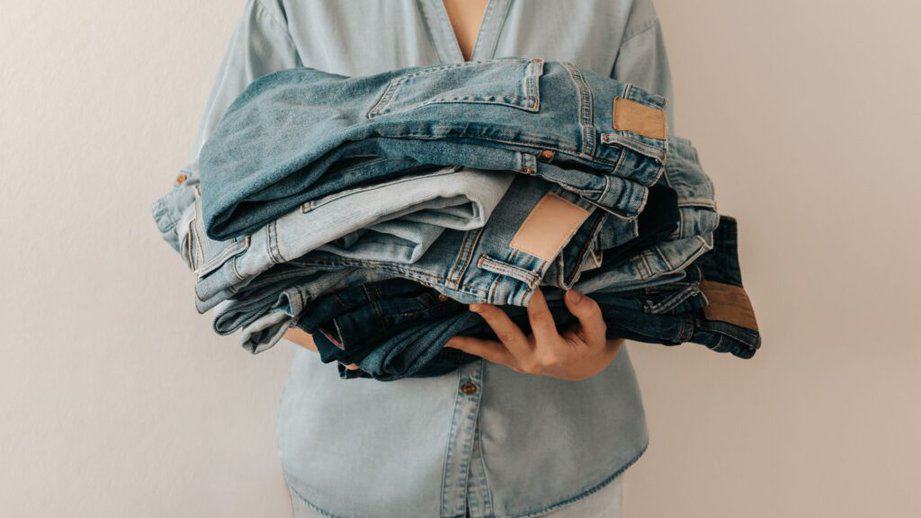
While fashion can bring economic opportunities to developing countries, it can negatively impact the local market, especially the small and locally owned businesses in the fashion industry. The influx of global brands and manufacturing facilities can disrupt traditional industries and exploit natural resources, leading to economic dependency and environmental degradation.
Gender Inequality
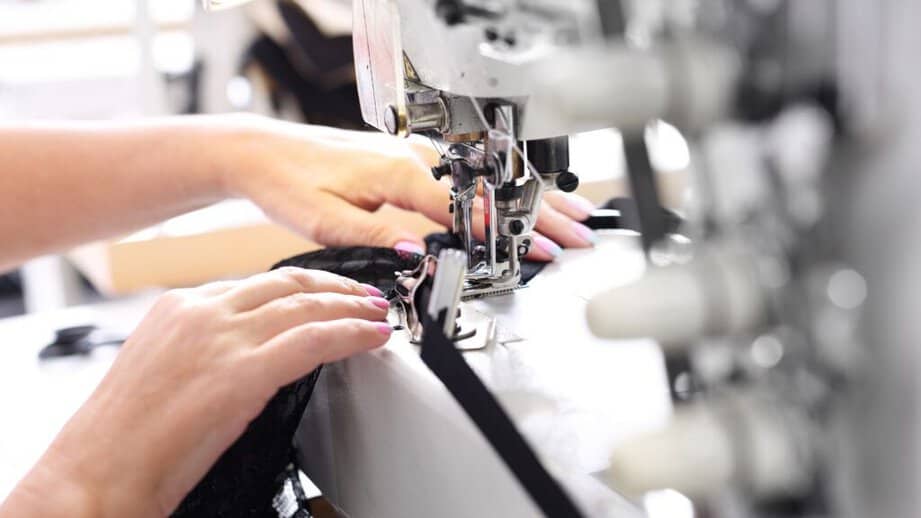
Despite its predominantly female consumer base, the fashion industry remains rife with gender inequality at both the executive and grassroots levels. Women often face barriers in accessing leadership positions and equal pay, while garment workers (predominantly women) are disproportionately affected by exploitative labor practices.
Impact On Mental Health

Keeping up with the latest fashion trends can really mess with your head and make you feel stressed, anxious, and not good enough. Social media amplifies these pressures, creating a culture of comparison and self-doubt among consumers of all ages. The effects of fashion’s idealized standards can promote mentalities and lifestyles that are unhealthy mentally and physically.
Lack Of Transparency And Accountability
Transparency remains a significant challenge in the fashion industry, where supply chains span multiple countries and subcontractors. Brands often lack visibility into their supply chains, making it difficult to trace the origins of materials or ensure ethical production practices. Brands should disclose sourcing practices and take responsibility for their operations’ social and environmental impact.
Animal Cruelty In Fashion
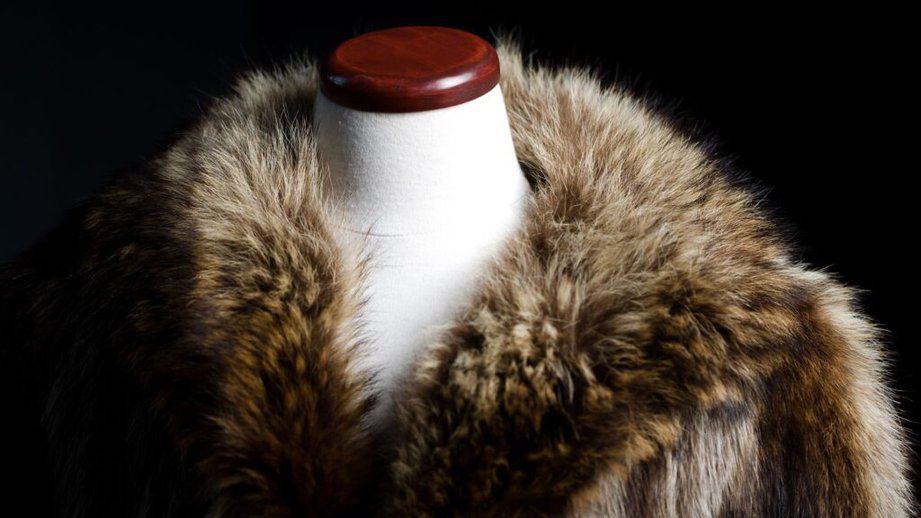
The use of fur, leather, and exotic skins in the fashion industry for clothing has long been contentious, raising concerns about animal welfare and ethical treatment. Despite growing awareness and advocacy efforts on behalf of the animals, some luxury brands continue to use materials derived from furs raised in inhumane conditions or harvested through cruel practices.
Influence On Consumer Behavior

Fashion’s influence extends beyond aesthetics to shape consumer behavior and societal norms. The industry cultivates desires and aspirations through marketing and advertising, encouraging consumers to associate clothing with identity and status. Consumer preferences are manipulated and call for a more conscious approach to fashion consumption, with more consideration.
Biodiversity Reduction
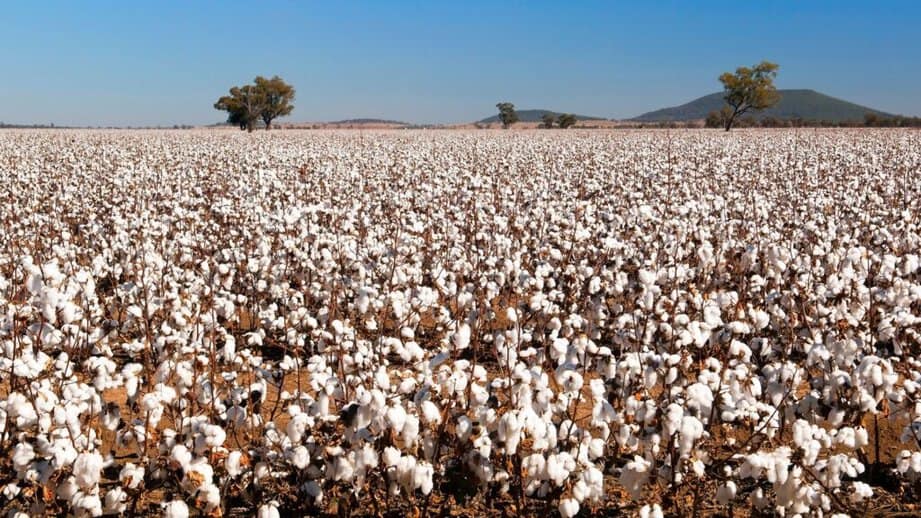
Unfortunately, fast fashion is also responsible for a reduction in biodiversity. How? For example, cotton fields take up plenty of space that could otherwise become a protected area where vegetation could grow undisturbed. On top of this, many companies in the fashion industry don’t have proper wastewater treatment systems and, therefore, release harmful chemicals into nearby bodies of water, disrupting local ecosystems.
Increasing Socioeconomic Disparities

Unfortunately, the fashion industry is often responsible for an increase in socioeconomic disparities. Many brands exploit workers in developing countries, underpaying them to provide extremely cheap products to those in rich countries, such as Europe and the USA. This system contributes to a world where the rich keep getting richer, and the poor keep getting poorer.
Price Markups

Luxury brands often charge way more than it costs to make their products. A handbag that costs just a few dollars to produce might sell for thousands or more. The high price is mostly for the brand name, not the materials or labor. While some people love the prestige of owning brand-name items, others feel like it is unfair price gouging.


