

14 Ways Social Media is Damaging Your Relationship

One of the biggest shifts between our generation and our parents’ is the rise of social media. These platforms have revolutionized every part of life, including how we date. Finding a partner online is now more common than meeting someone in person which is a complete shift from the past. But is this evolution helping or hurting relationships? The answer is a bit of both! Let’s start by looking at the downside to social media and relationship, so you can spot the pitfalls and protect your relationship from its potential harm.
Posting Without Consent

You must first ask for permission whenever you post something that includes your partner. This is not only in case you want to share a picture of the two of you. But even if you want to write a post describing your weekend or anything else that may have something to do with your spouse. This is crucial to protect your partner’s privacy and ensure he feels safe with you.
Following The Wrong People

Social media platforms are causing many fights between partners nowadays. Most of these start because someone is following the wrong creators and influencers. These platforms have given a completely new meaning to the concept of cheating. Is it okay to check posts of a muscular guy training at the gym? Is it okay for your husband to follow top models who share provocative pictures? Make sure to discuss this.
Constant Scrolling

Constant scrolling can harm your entire life, including your love relationship. It prevents you from enjoying the present moment, being productive, and forming deep bonds with your partner. A good idea to check whether you are dealing with this issue is to install an app that tracks your time on this useless activity and see whether you need to take action.
Comparing

Another common thing people who spend a lot of time on social media tend to do is compare. We compare our lives with those of others, our partner’s bodies with those of top models, and our relationships, too. On social media, everyone seems to have a better existence than us, yet it’s important to remember that this is not the case. So, stop comparing your life with that of others and start feeling grateful for what you have.
Checking What Your Ex Is Doing

While we strongly believe that staying in touch with your ex is nothing wrong and is a sign of maturity, if you’re constantly checking what he’s doing and with whom, chances are you’re not over him yet. Of course, this can be very annoying for your new partner, who may rightfully feel that you’re not being serious with him and may suddenly decide to go back with your ex.
Not Deleting Dating Profiles
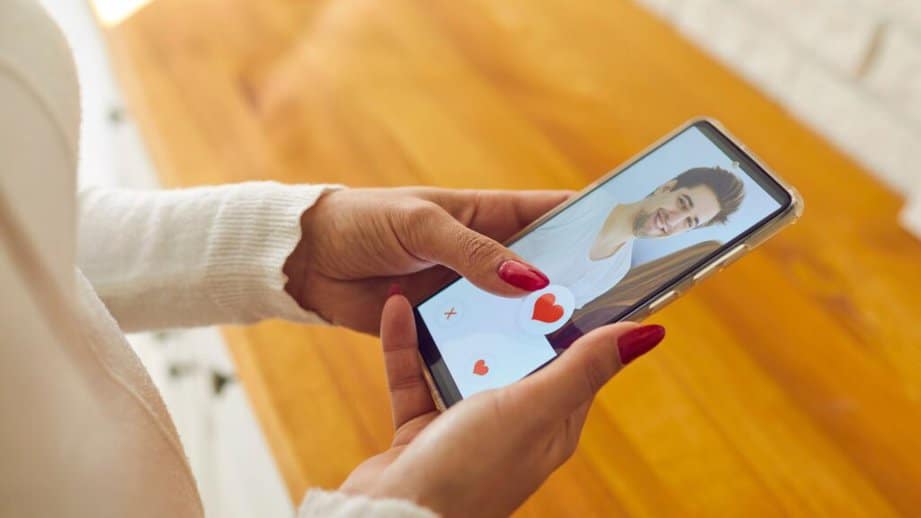
Once you start dating someone, you must delete or deactivate all your dating profiles. Just imagine how awful it would be to discover that your partner is still checking out Tinder regularly! So many people are used to scrolling left and right to see whether they get any matches. However, while this may be an innocent game for you, your partner will probably think otherwise.
Never Posting

While posting too much may be problematic for some, posting too little may also be an issue for some partners. Why? Your loved one may think that you are trying to hide him or that you don’t value what you are doing together as a couple. This is completely personal, and everyone has a different opinion regarding what is okay to share online, yet it’s worth facing this conversation with your partner.
Constant Content Creation

As we just mentioned, other people may have problems with their partner constantly sharing their love life online. While creating videos together may be fun occasionally, we need to remember that this is our real life, not the one we built online. Nowadays, we visit places to take pictures for our social media pages instead of enjoying our time there. Try to avoid being one of these people.
Polarization

Social media also polarizes our views on everything from politics to religion, ethics, and more. Following certain YouTube channels or other creators may push you to adopt extremist views, making it more difficult to accept or tolerate different perspectives. Always strive for balance instead of following only a certain type of content.
Phubbing

Phubbing refers to checking your phone while someone is talking and ignoring a conversation or simply not paying attention. Are you responsible for doing so with your partner? If yes, you should stop immediately. Whenever you do so, you are basically telling your partner that you are more interested in a random 20-second video published by a stranger than in what he has to say.
Phone In Bed

Using your phone in bed is extremely detrimental to your relationship. Nothing is worse than a partner mindlessly scrolling through his phone right after being intimate. Time spent in bed with someone should be a moment to be vulnerable together, cuddle, and share the present moment. Make sure not to ruin it with social media.
Invading Your Partner’s Privacy

No matter what happens between you and your partner, you should never check his phone and violate his privacy. If you don’t trust him, you need to take a moment and wonder why. If you have good reasons to think something is going on, talk with him, but never break that trust between you two. You will never be able to gain it back otherwise.
Pressure to Perform Your Relationship

Social media often creates the illusion that everyone’s life is perfect, leading couples to feel pressure to showcase their relationship in a certain way. This “performance” can overshadow the genuine connection between partners, as more energy is spent crafting posts and looking good online than nurturing the relationship itself. Authenticity gets lost, and the focus shifts from enjoying each other’s company to impressing an audience that doesn’t matter.
Using Social Media to Communicate

When couples turn to social media instead of each other for interaction, it creates a disconnect. Endless scrolling or chatting with others online can replace the deep, personal conversations that are necessary to strengthen relationships. This lack of meaningful communication can lead to misunderstandings and emotional distance. Prioritizing real-world connection is key to avoiding this trap.


