16 Facts You Need to Learn About a Women’s Emotional Health
Why are we all still so quiet when it comes to talking about women’s mental health? Sure, the conversation has grown, but women are still hugely underrepresented in the mental health discussion. That’s a big deal! Understanding the unique challenges women face every day is so important to building a more equal and supportive society. But, we have had enough! We’ve put together a list to help you dive deeper into this crucial topic. Let’s get informed, start talking, and spread the word because this is a conversation everyone needs to be part of!
Note: The content of this article is for informational purposes only and is not a substitute for professional advice. Always consult with a qualified professional for advice tailored to your individual circumstances.
Hormones Take Her to Mental Health Roller Coaster Rides
Have you ever observed how she is very moody during their periods? Believe it or not, her hormones are the culprit here. And that’s just one example. At almost every stage of their lives, women experience significant hormonal changes. We are talking about menstruation, pregnancy, postpartum, and menopause here. It is important to remember that these hormonal changes have a huge impact on a woman’s mood, anxiety levels, and overall mental health.
Women Are More Prone to Depression and Anxiety
Research indicates that women are twice as likely to develop depression and anxiety compared to men. This can be attributed to several biological, hormonal, and psychosocial factors. Other factors that contribute to a higher risk of depression and anxiety in women are societal pressures, gender roles, and the stress of balancing multiple responsibilities.
Money Woes Weigh Heavy on Her Mental Health

Women who live constantly in financial stress have a higher risk of developing mental health issues. This is particularly true for single mothers, stay-at-home moms, and women in low-income jobs. Financial instability can impact her mental health disproportionately. That is one of the primary reasons we see so many support services focused on women’s empowerment.
Social Media Has Great Influence on Her Mental Well-being

Social media is a mixed bag for most women. On the one hand, it’s fantastic to connect with friends and find support groups, but on the other hand, the endless stream of perfect lives and flawless bodies can really get them down. It’s hard for her not to compare to those seemingly perfect images, often leaving her feeling inadequate and anxious. The relentless pursuit of likes and validation can damage mental well-being, leading to a cycle of self-doubt and negative self-perception.
Trauma and Abuse Has a Silent But Deeper Impact on Her Mental Health

Sexual abuse, domestic violence, mental torture, etc., can have deeper and long-term mental health issues in women. These instances also tend to leave invisible scars on her mental health. The memories linger, often resurfacing unexpectedly, affecting their sense of safety and trust in others. Women who go through such trauma are more prone to develop post-traumatic stress disorder (PTSD), depression, nightmares, and anxiety.
Eating Disorders Are Like Mirrors Reflecting Mental Health Issues
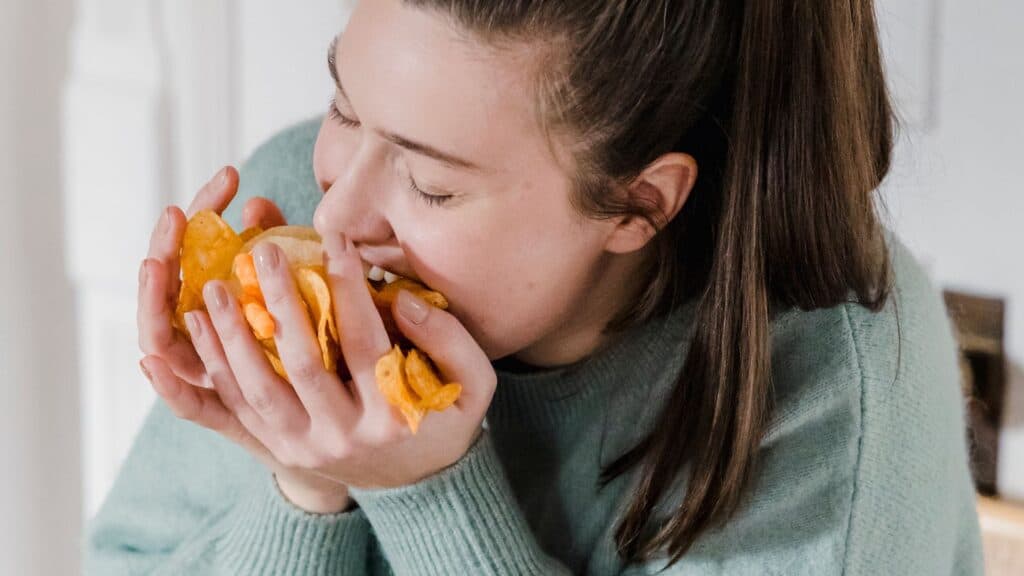
Eating disorders, such as anorexia nervosa, bulimia nervosa, and binge-eating disorder, are significant mental health challenges many women face. These conditions often stem from societal pressures and body image issues, leading individuals to engage in harmful behaviors to control their weight and shape. Imagine feeling like you’re never good enough, constantly comparing yourself to an unrealistic standard. Support from healthcare professionals, therapists, and loved ones can make a profound difference in the healing journey.
Her Social Support is Medicine for Her Mental Well-being

Having a strong support network is invaluable for her mental health. Family, friends, and community members provide emotional assistance, reduce stress, and enhance coping mechanisms. Think about how much lighter you feel after a heartfelt conversation with a friend who truly understands you. Social support offers a sense of belonging and resilience, helping individuals navigate life’s challenges more easily. So, the more she has someone to talk to about her issues, the better her mental health will be.
Her Work-Life Balance Will Reflect Her Mental Status
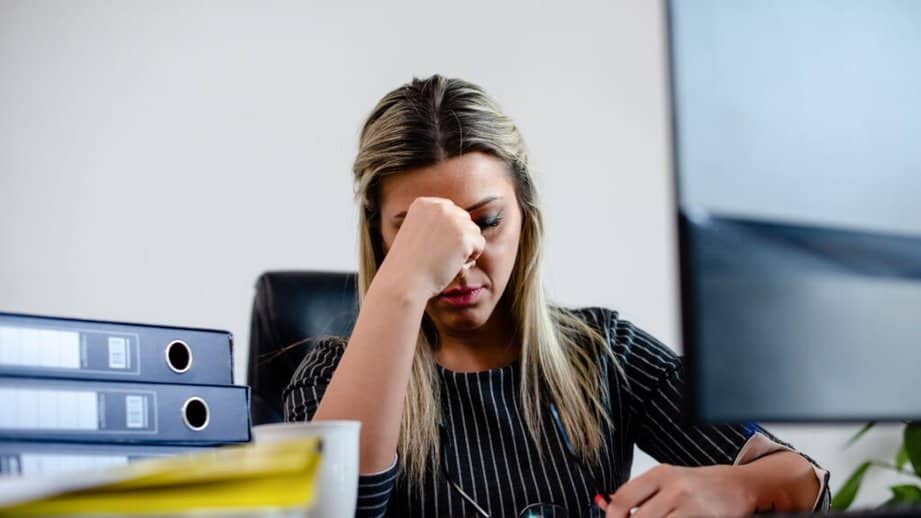
Most modern women tend to find the best options to help them balance their work and home life. She is bound to appear stressed or worn out when the balance is distorted. If your loved one is not able to balance her work and personal life, it would impact her mental health and might lead to depression or other such issues. Flexible work policies, childcare support, and promoting a healthy work-life balance can help alleviate these pressures and support mental well-being.
PPD (Postpartum Depression) Can Take a Toll on Her Mental Health

Postpartum depression (PPD) is a serious mental health condition that affects women after childbirth. It commonly occurs within six weeks of giving birth to a child. If your loved one is suffering from PPD, then you will observe symptoms such as intense mood swings, persistent feelings of hopelessness, difficulty bonding with the baby, and psychosis. It is crucial to take support of medication and therapy during postpartum depression for recovery.
Chronic Illness Can Have An Impact On Her Mental Health
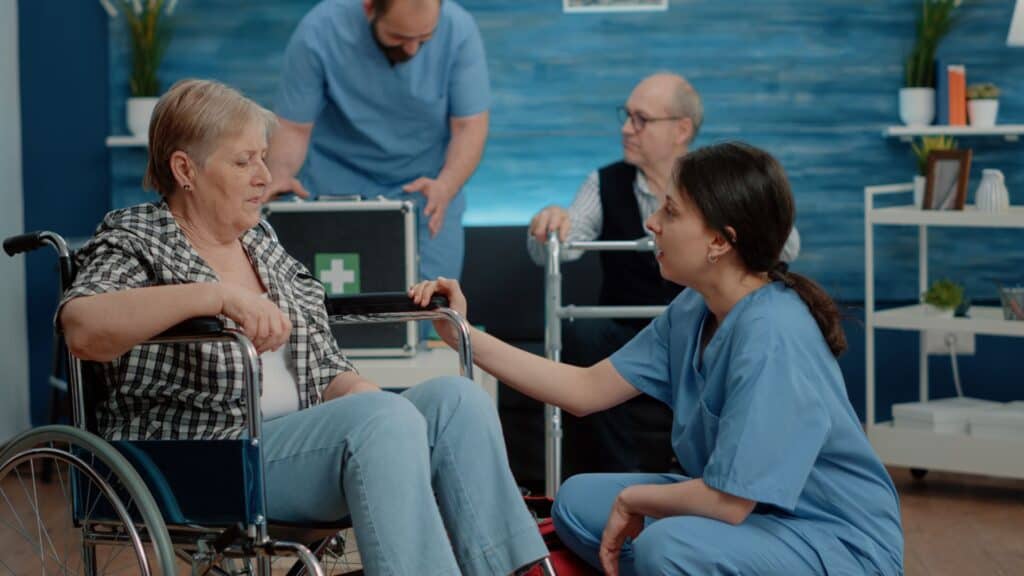
Women with chronic illnesses, such as autoimmune diseases or cancer, often experience higher rates of depression and anxiety. Sudden emotional outbursts and thoughts of self-harm are also pretty common among women with chronic illnesses. Managing chronic illness and its impact on daily life can be overwhelming, necessitating integrated care approaches that address both physical and mental health needs.
Self-care is Crucial for Her Mental Health

Self-care is something absolutely essential for her mental health. It’s not just about pampering herself with spa days but about recharging and nurturing her mind and body. Simple things like a morning walk, sufficient sleep, healthy eating, or reading a good book can greatly affect her well-being. By embracing self-care, women can nurture their minds and bodies. A woman who prioritizes self-care can be more resilient and better handle life’s stresses.
Overcoming Stigma and Seeking Mental Health Help
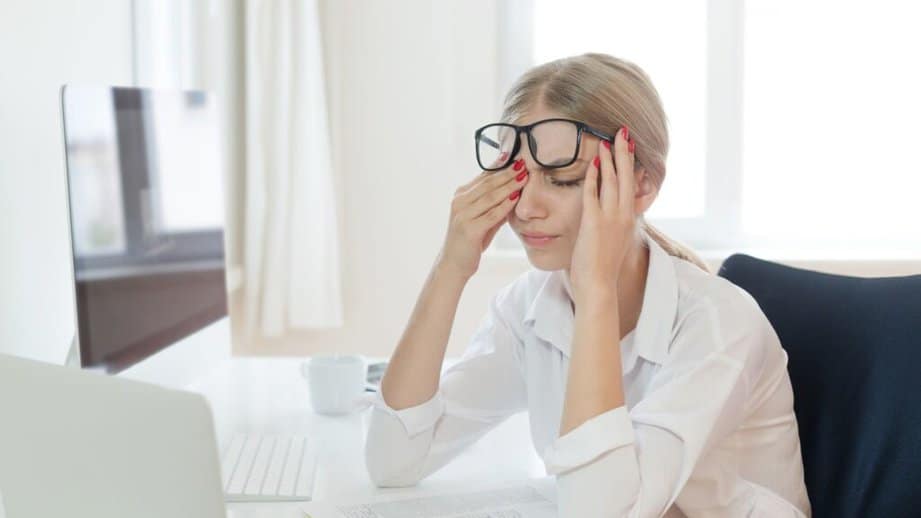
Seeking help for mental health issues is a courageous step, but the stigma surrounding these struggles can be a significant barrier. Many women fear being judged or labeled, preventing them from seeking the support they need, and this has a negative impact on their mental health. Tell your loved ones that it’s essential to understand that asking for help is a sign of strength, not weakness.
Her Depression Can Be Invisible To Others

Unfortunately, depression is not always so recognizable. While this mental condition may prevent people from carrying out daily activities, such as going to work or even outside the house, for others, it may be more of a hidden companion invisible to most. This can make it difficult for relatives, friends, and colleagues to understand your struggle and provide support.
How Can You Help?

But how can you help someone who is struggling with mental health? First of all, simply listen. Some people may just need to vent and are not necessarily looking for advice. Another important thing is to avoid assumptions of all types and offer reassurance. Keep in mind that lots of patience will also be required. Unfortunately, dealing with someone suffering from these conditions can be quite challenging.
The Impact of Contraceptives

Unfortunately, most contraceptives on the market, such as the pill and vaginal rings, mess up with women’s hormones. While for some of us, the impact is negligible, for others, the changes are too strong and completely transform their mood, affecting all aspects of their lives. This is why so many women are now avoiding contraceptives or opting for non-hormonal alternatives.
Women Are More Prone To PTSD
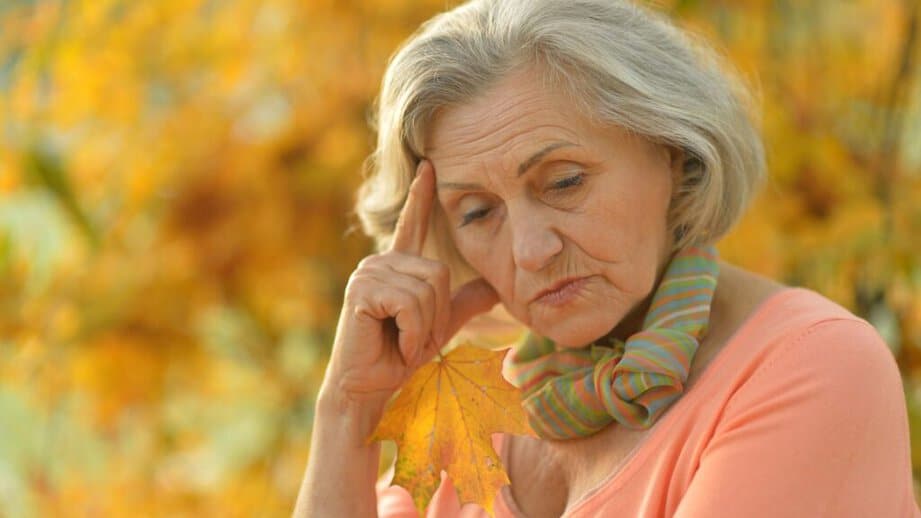
Even though most people assume men are more likely to be diagnosed with post-traumatic stress disorder (PTSD), the opposite is true. According to data, women experience this at two to three times the rate that men do. This is extremely concerning, and we need to take action to ensure fewer and fewer women every year have to deal with the negative effects of traumas.