

15 Facts About The Internet That You Probably Never Knew

The internet is a wild and fascinating place, and it is almost impossible to know everything about it. It’s this massive, ever-changing universe that’s become something we simply can’t live without and that we barely understand! But it would probably benefit us all if we knew a little bit more about this tool we use daily. Get ready to be amazed and maybe even fall in love with the internet all over again after reading these surprising facts about the internet. They will probably leave you saying, “No way!”
The Internet and the World Wide Web are Not Same
Most people perceive that the terms Internet and World Wide Web are the same. But they are not the same thing. The simple definition of the Internet is a vast network of networks called a global system of interconnected computers that interact with each other. The definition of the World Wide Web is a collection of information accessed via the internet using web browsers.
LO Was the First Message Sent Over the Internet

The first message ever sent over the ARPANET, the precursor to the modern Internet, was a simple “LO.” This was supposed to be “LOGIN,” but the system crashed after sending the first two letters. This historic moment occurred on October 29, 1969, between computers at UCLA and Stanford University. Despite the crash, this event marked the beginning of digital communication as we know it. It’s incredible to think how far we’ve come from that humble start.
The Internet and Space Exploration

Did you know that the internet plays a crucial role in space exploration? It’s a tool for checking emails vital to NASA’s missions. Internet-based technologies control rovers on Mars and communicate with astronauts on the International Space Station. The ability to send data across vast distances in real-time is vital for monitoring missions and conducting scientific experiments. This connectivity allows scientists to operate and receive updates from distant spacecraft and rovers as if they were next door.
The Deep Web and the Dark Web

The internet we use daily is just the tip of the iceberg. Below the surface lies the deep web, which comprises portions of the internet not indexed by standard search engines. Within the deep web is the dark web, a small portion that requires specific software to enter and is often connected with illegal activities. However, the deep web itself is not inherently sinister; it includes private databases, academic resources, and other hidden but legitimate content. The distinction between the surface, deep, and dark web adds complexity to our understanding of the internet.
The Internet Weighs as Much as a Strawberry
This might sound bizarre, but theoretical physicist Dr. John D. Kubiatowicz estimated the weight of the internet’s data. When considering the energy required to store information on servers, he concluded that the complete internet weighs about the same as a single strawberry. This whimsical calculation highlights the intangible yet physically impactful nature of data. It’s a quirky fact that illustrates the often-overlooked physical aspect of digital information. Despite its lightweight, the internet carries immense value and influence.
The Internet’s Role in Predicting Natural Disasters

One remarkable yet lesser-known application of the internet is its role in predicting and monitoring natural disasters. Advanced internet-based systems collect and analyze data from various sources, like satellites, sensors, and social media, to provide real-time information on weather patterns, earthquakes, and other natural phenomena. Organizations use this data to issue early warnings and coordinate responses to potential disasters.
The Internet’s Infrastructure Is Surprisingly Physical
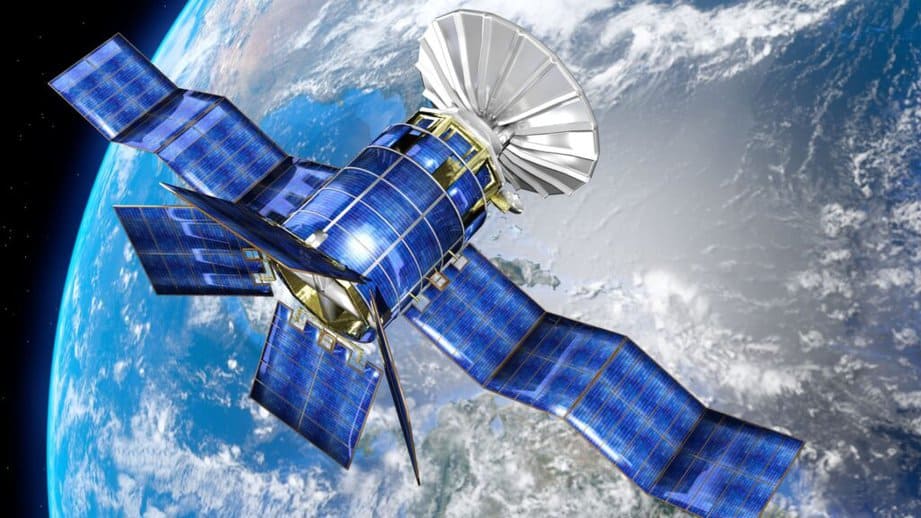
While we often consider the Internet intangible, its infrastructure is very physical. The global network relies on vast arrays of undersea cables, data centers, and satellites. These cables stretch across oceans, connecting continents and enabling global communication. Maintaining and upgrading this physical infrastructure is a monumental task involving significant resources and coordination. This physicality reminds us of the substantial engineering behind the seamless digital experiences we enjoy, fostering a sense of appreciation for the complex system that supports the Internet.
The Internet Has Its Own Multilingualism

The internet supports many languages, with over 7,000 languages spoken globally. Websites and online services increasingly cater to non-English speakers, reflecting the internet’s global reach. Despite the dominant English language, other languages like Chinese, Spanish, and Arabic have a substantial online presence. This multilingualism allows the internet to serve a diverse global audience, promoting cross-cultural communication and understanding. The internet’s ability to bridge linguistic divides is one of its most powerful features.
The First Webcam Surveilled Coffee Pot

The University of Cambridge created the first webcam to monitor a coffee pot. In 1991, researchers set up a camera to stream live images of the coffee pot to their network so they could see if coffee was available without leaving their desks. This early use of webcam technology is a far cry from today’s sophisticated video conferencing tools. It’s a charming anecdote that shows how simple needs can drive technological innovation. From coffee pots to global communications, webcams have come a long way.
The Internet Has a Time Capsule

Did you know there’s a project dedicated to preserving the internet’s history? The Internet Archive, also known as the Wayback Machine, stores snapshots of web pages dating back to the 1990s. This digital time capsule allows users to see how websites looked in the past and track the evolution of the internet. It’s a valuable resource for researchers, historians, and anyone curious about the web’s history. Preserving digital heritage is crucial as the internet continues to evolve.
The Internet’s Role in Crowdsourced Problem Solving
One lesser-known aspect of the internet is its ability to harness collective intelligence to solve complex problems. Several platforms bring together experts worldwide to tackle scientific, technological, and societal challenges through crowdsourcing. By posting problems online, organizations can tap into a vast pool of knowledge and creativity, often leading to innovative solutions that would be difficult to achieve in isolation.
The Internet Is a Massive Energy Consumer
Running the internet requires a tremendous amount of energy. Data centers, which house the servers powering the internet, consume vast amounts of electricity to operate and cool the equipment. It’s estimated that data centers worldwide use about 2% of global electricity, a figure that’s expected to grow. Efforts are underway to improve energy efficiency and adopt renewable energy sources for data centers. This highlights the environmental impact of our digital lives and the need for sustainable practices.
Incredible Hacks

You have probably heard about hackers on the internet. These people can tap into websites and get information that they shouldn’t have. You may have even experience hackers first hand as about 30,000 websites are hacked every single day. This number is quite astonishing and it definitely makes us want to change all of our passwords and usernames ASAP.
Extra Screen Time

Many of us spend a lot of time on the internet every single day. Whether it is for work or for pleasure, we are staring at screens a lot. The average person actually spends about 6 hours and 31 minutes online every day. Of course, this number will vary based on where you live and your job requirements. South Africans spend the most time, with 9 1/2 hours online a day while people in Japan only click around for about 4 hours a day.
China Lead The Way in Users

With about 1.05 billion people using the internet every day in China, this country leads the way in terms of the number of internet users. You can also look at it this way—73.7% of people in China use the internet. That is pretty amazing! That also means about 20% of all internet users worldwide are in China. India comes in second place, with the USA ranking third for the number of internet users.
Most of us never knew about many hidden facets of the internet. From its physical infrastructure to its multilingual capabilities, the internet continues to grow and surprise us. We can better understand the internet’s incredible technology by studying these lesser-known facts. Think for a moment about the modern marvels that are happening across the globe thanks to the internet.


