

Your Guide to Menstrual Leave and Why It’s Needed in the US

Around the globe, governments are embracing modern menstrual leave policies that are having a huge, positive impact on women. We think that it’s time for the U.S. to join this transformative movement. Many women face intense discomfort during their cycles, making even basic daily tasks challenging. It can be hard to get out of bed, go to work, or even just walk around. Yet, countless women push through the pain to avoid risking their jobs, which is something that shouldn’t be the norm. This needs to change! Take a look at what menstrual leave is all about and why it’s a policy the U.S. urgently needs.
What Is Menstrual Leave?

Menstrual leave is a workplace policy that gives women the option to stay home from work if their menstrual cycle symptoms make it hard for them to perform their jobs. These policies can be federal laws or company-wide policies.
Paid?

It can be paid or unpaid, depending on the specific policy. The big focus here is giving women time to rest when their periods cause unmanageable pain. In some cases, it simply offers women the chance to work from home rather than focus on full bed rest.
But Why?

Period pain is no joke. 80 percent of all women will experience period pain in their lifetime. 5 to 10 percent of women will experience symptoms so severe it will disrupt their ability to do basic tasks.
People often underestimate how bad it can get, especially for women who have endometriosis.
The Controversy

Believe it or not, menstrual leave has its own controversies. This is one of the only policies that can only be applied to biological women. Many believe it’s a sexist policy or that it may paint women as “weak” to potential employers.
Some detractors also believe that menstrual leave policies could make some employers discriminate against women. After all, companies don’t want to have to struggle with staffing issues with women who may want to take a day off on a regular basis.
The Benefits

The concept of menstrual leave has been around for decades in many parts of the world. HR reps who are heavy proponents note that it helps encourage a positive workplace and makes women more productive, engaged, and satisfied.
It’s also worth noting that this can make or break a woman’s ability to keep a job in certain situations. So, it’s also a movement focused on gender equity.
Menstrual Leave Abroad

Though the concept seems totally foreign to the Americas, menstrual leave has been a mainstay in Asia for decades. Often called “seiri kyuka,” menstrual leave has been a common reason for staying off the job in multiple Asian countries.
Japan, South Korea, Vietnam, Taiwan, and Indonesia all have menstrual leave as a federal mandate. However, it’s not just an Asian thing. Spain recently gave its own green light to menstrual leave too.
Huge Effects
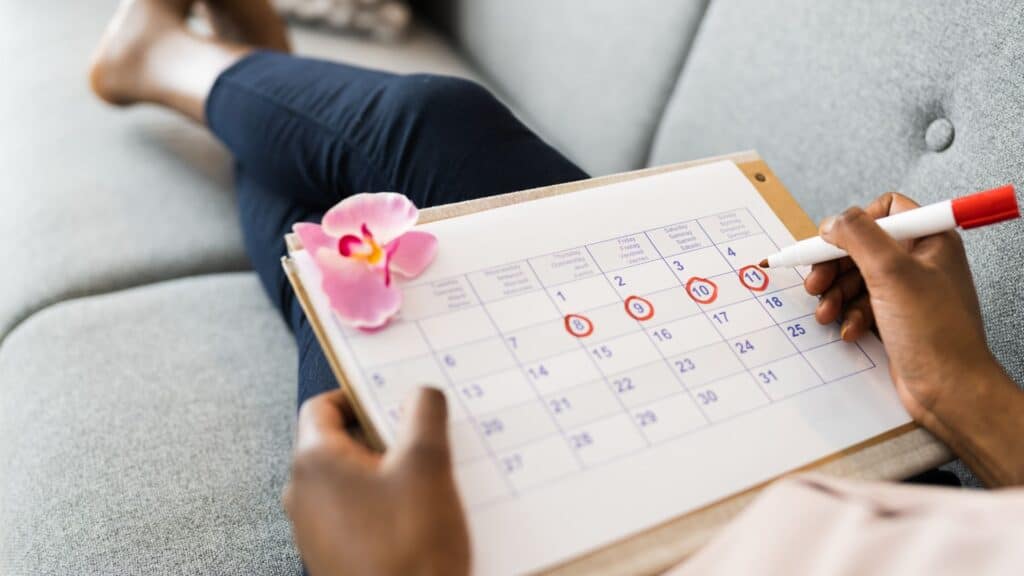
The CDC believes that around 300 million women are menstruating worldwide. That means around 30 million women might have symptoms bad enough to impact work quality.
With women being found in almost every single workforce, it’s not surprising to hear that menstrual leave has the potential to have a major impact on working women.
Individual Companies

Though the push for menstrual leave is primarily focused on national workplace policies, many companies are starting to offer it on their own. Simply put, it’s a smart way for recruiters to show a company’s woman-positive culture, and it attracts top talent.
India, in particular, has become a leader in the trend of top companies offering menstrual leave. It can seriously help avoid stressful situations.
Stateside?

Considering that the United States is the only developed country that does not offer maternity leave or many other benefits that are normal abroad, it’s not surprising that menstrual leave is a rare occurrence here. This does not mean it’s not being requested or that some companies aren’t trying it out.
Nuvento and Chani are two startups that offer menstrual leave to US workers. More importantly, they’re US-based!
A Growing Movement

Regardless of how people may feel about it, menstrual leave is a topic that’s gaining momentum. Women are tired of having to bear the burden of menstrual pain on their own.
Of course, part of this movement deals with another major aspect of society: the way we view menstruation.
A Taboo No More?

The topic of menstrual leave is taboo, primarily because menstruation is treated like a taboo subject. Most people either don’t want to hear about it or feel like it’s “dirty.”
And yet, it’s a part of being born biologically female. Menstrual leave is one solid way to drop the stigma around menstruation and get people talking.
The Future?

It’s hard to tell what will happen to menstrual leave in the future. So far, it seems to be an increasingly popular movement. Countries love it because it makes people happier in the workplace. Employees love it because it gives them time to rest.
Here’s hoping it’ll continue to stay popular.
Who Can Request It?

Everyone experiencing a debilitating period should be able to request a menstrual leave. This can consist of all types of symptoms, such as heavy cramps, dizziness, intense bleeding, severe tiredness, and more. Unfortunately, despite women sharing these experiences worldwide, only those living in specific countries can now request menstrual leave.
How To Advocate For Menstrual Leave
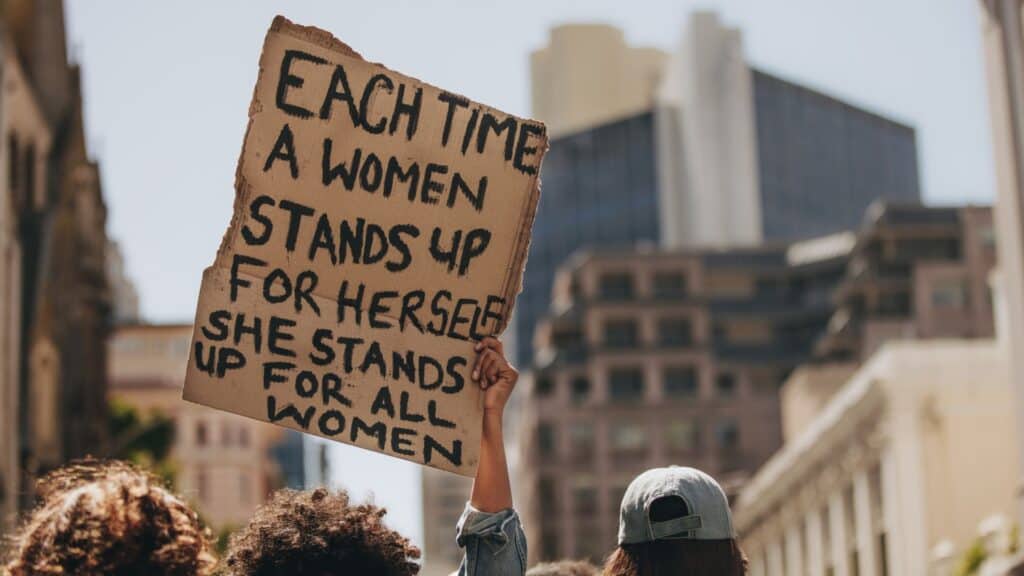
But how can you advocate for introducing menstrual leave policies in your country? You can start by contacting your employer to discuss this topic. Make sure to include other women and talk about issues such as paid or unpaid days off, the possibility of working from home, a flexible working schedule, and more.
Remote Work

Almost everyone has a working internet connection at home, which enables them to work remotely. This would give women the option to work from home while on menstrual leave so they could keep up with the needs of the office while in the comfort of their own homes. Having remote work as an option would be extremely beneficial to women who struggle with menstrual pain but may still be able to work from home. In this scenario, everyone would win! A woman could stay where she is the most comfortable but still get the job done! Aren’t women amazing?


