

Don’t Make These 15 Mistakes When Pet Proofing Your Home
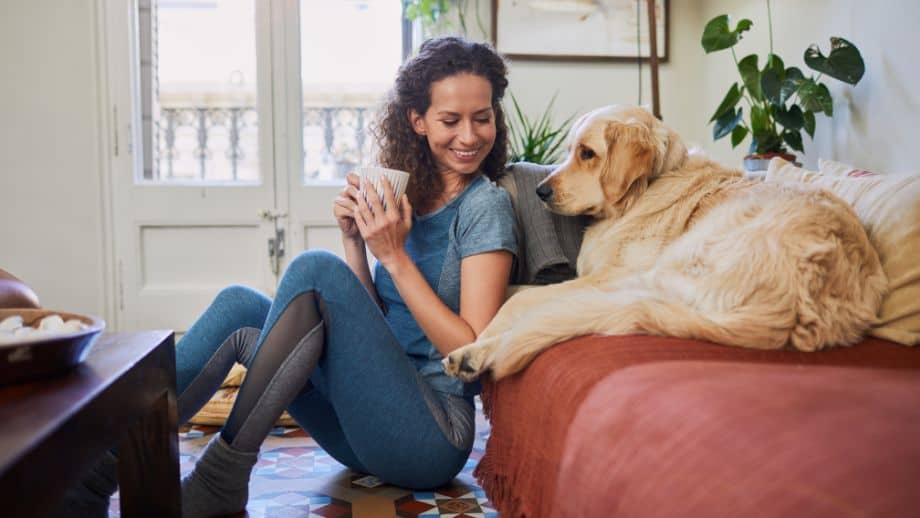
We all want to give our pets a safe, cozy home where they can thrive and feel totally at ease. But even with the best intentions, there still may be hidden hazards in your home that could put your furry friend at risk. Look at these common mistakes that so many people make when pet-proofing their space. You might be very surprised at what you’ve overlooked! But you can use this guide to spot and fix those unseen dangers so your home becomes a true safe haven for your beloved pet. Let’s make sure your furry family member is happy, healthy, and out of harm’s way!
Not Securing Electric Cords & Outlets
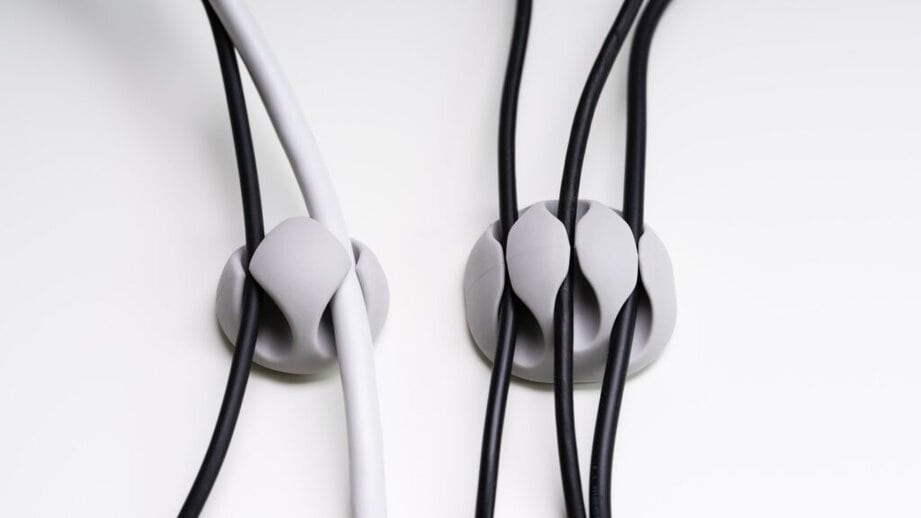
Electrical cords are like catnip to curious pets—they’re irresistible to chew on. If left unsecured, they can lead to dangerous shocks or fires. To prevent this, use cord protectors or concealers to keep cords out of reach. For cords that can’t be hidden, try applying a deterrent spray that makes them taste unpleasant. Additionally, ensure all outlets are covered and never leave cords dangling in their reach.
Not Securing Toxic Foods

You should be educated about many foods that are toxic for dogs, like grapes, onions, and alcohol. Leaving these items within easy reach can lead to serious health issues. Always store human food in secure cabinets or high shelves where pets can’t access it. Be particularly cautious with holiday treats and baking ingredients.
Leaving Medications Out
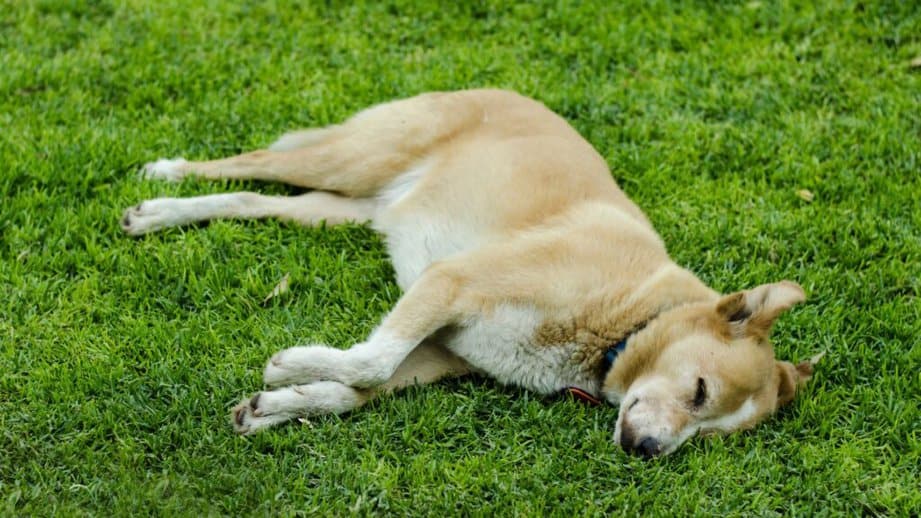
Medications, whether they’re prescription or over-the-counter, can be extremely dangerous if ingested by pets. Store all medications in high, secure cabinets or locked drawers. Be especially careful with pills that may be accidentally dropped or left out. If your pet accidentally ingests medication, contact your vet immediately or visit an emergency clinic.
Overlooking Choking Hazards

Small objects and toys can pose significant choking hazards to pets, especially curious puppies and kittens. Be mindful of things like rubber bands, hair ties, and small toy parts that can be swallowed. Regularly check your pet’s toys to ensure they’re safe and durable. Avoid toys with small, detachable parts and opt for those designed specifically for pets.
Ignoring Plant Safety

Certain houseplants are toxic to pets, including lilies, poinsettias, and philodendrons. Research pet-safe plants and make sure any greenery in your home is non-toxic. If you’re unsure about a plant, check with your vet or refer to reliable pet safety resources. For plants you can’t remove, consider placing them in high, inaccessible areas or using deterrents to keep pets away.
Not Having Safety Latches
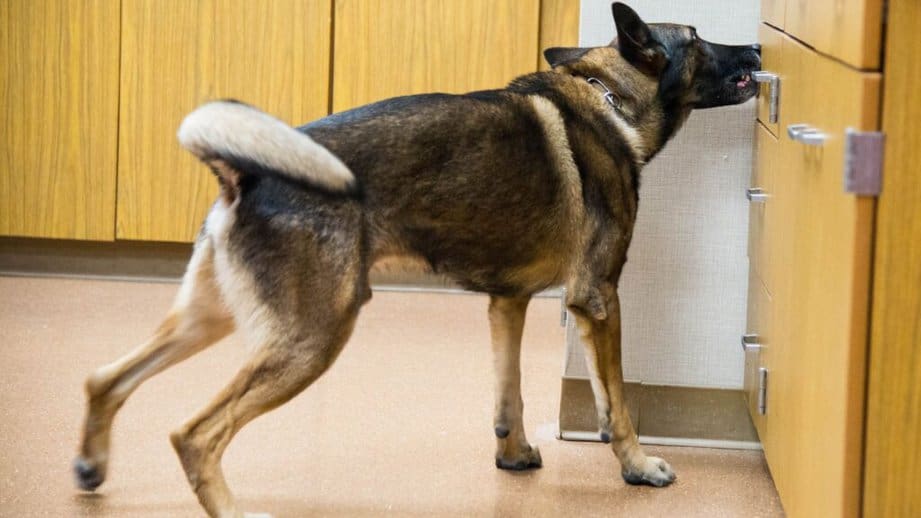
Pets are often expert scavengers and can quickly get into cabinets and drawers that aren’t secured. This can be dangerous if they find cleaning supplies, chemicals, or small items to chew on. Install childproof safety latches on lower cabinets, drawers, and preventative gates to keep your pet out of these potentially hazardous areas.
Forgetting To Block Off Stairs

Pets, especially young ones and older ones with trouble getting around can get hurt on stairs. It’s a big danger for them. Use baby or pet gates to block access to stairs and other dangerous areas in your home. Ensure the gates are sturdy and tall enough to prevent your pet from climbing over. Regularly check the gates for stability and adjust them to keep your pet safe.
Leaving Trash Unsecured
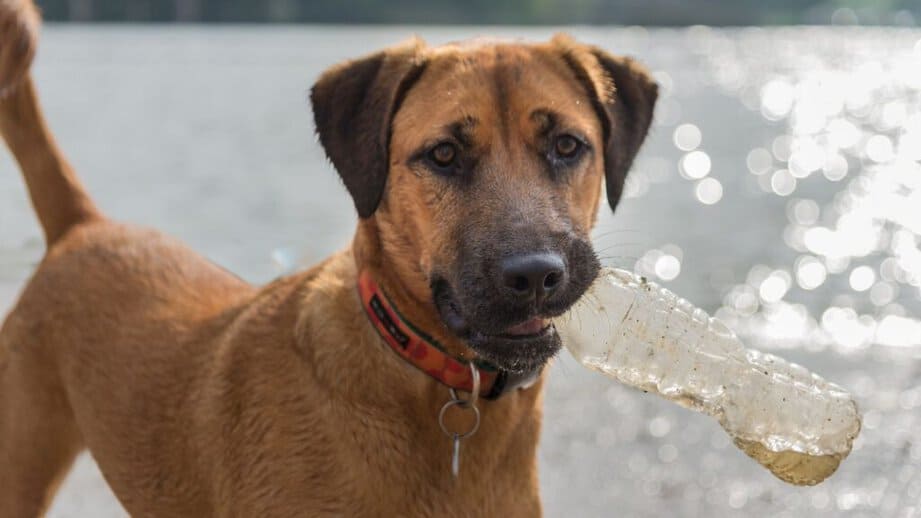
Pets often seek out the smells of the trash, which can be dangerous if they eat something harmful. To prevent this, use trash cans with secure lids or pet-proof ones. You might consider using a trash can with a locking mechanism or placing it in a cabinet with a safety latch. Ensure that you take out the trash regularly and avoid leaving any food waste within reach.
Neglecting Proper Crate Training

Crate training is crucial for providing your pet with safety and comfort when you’re not home. A crate should be appropriately sized and comfortable, offering a place where your pet can feel safe. Avoid using the crate as a form of punishment, as it should be a positive space for your pet. Introduce the crate gradually, using treats and praise to create positive associations.
Not Securing Windows And Screens

Windows and screens can be a risky spot for pets, particularly if they’re prone to jumping or climbing. A loose screen or open window can lead to dangerous falls or escapes. Secure all windows with proper screens, and consider adding window locks or guards if your pet is particularly adventurous. Keep windows closed or only slightly open to prevent your pet from getting through.
Overlooking Hot Surfaces
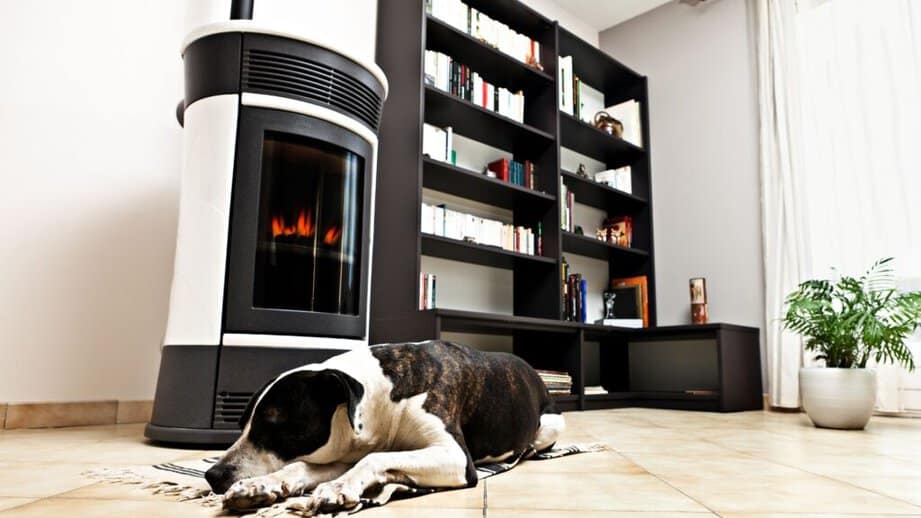
Hot surfaces like stoves, fireplaces, and radiators can be hazardous to curious pets. Turn off stoves and ovens and make hot surfaces inaccessible to pets. Install fireplace screens to protect pets from open flames and keep radiators and heaters out of reach. By taking these precautions, you can prevent burns and other injuries from hot surfaces.
Failing To Provide Access To Fresh Food And Water

While not a direct hazard, failing to provide fresh water and proper nutrition can lead to health issues for your pet. Always ensure that your pet has access to clean, fresh water and that their food is appropriate for their age, size, and health needs. Avoid leaving food out for too long to prevent spoilage. Regularly check food and water dishes for cleanliness and replace old or uneaten food.
Keeping Pets Apart
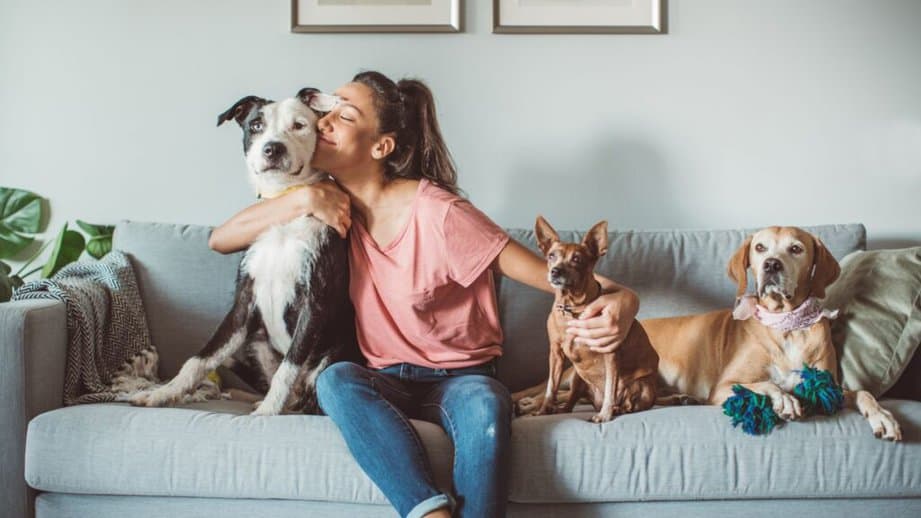
If you have more than one pet at home, you need to make sure they are comfortable and safe with each other when you are not around. If you have two dogs that fight, a cat that tries to get the goldfish, or a snake near a mouse cage, you may need to assess how to keep these frienemies separated in your absence. Make sure all pets in tanks are secure and safe. Put your feuding dogs or cats in separate rooms while you are gone (giving them both access to water, of course!). When you are home, try to train your pets to get along. It is nice to have more than one pet, but it is something that needs to be done safely for all the pets involved!
Cover the Trash
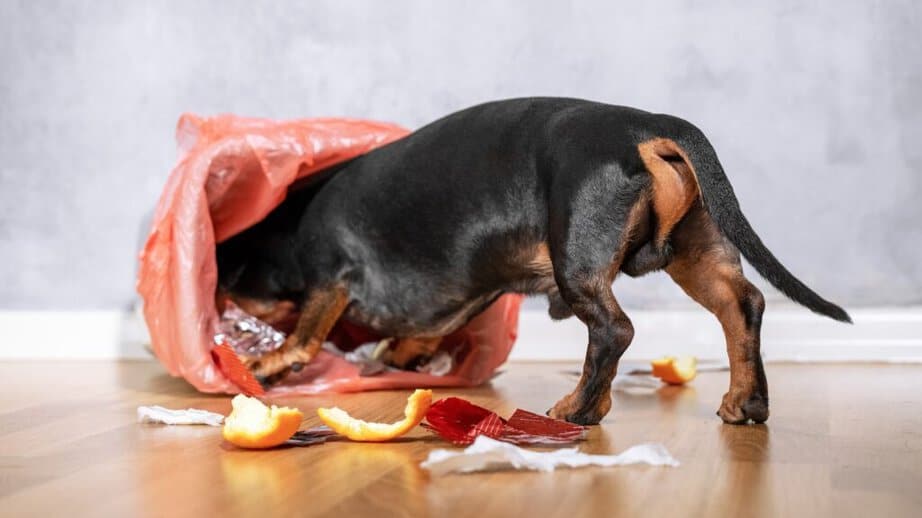
Keeping trash covered is essential to prevent pets from rummaging through and ingesting harmful items. The things in that can are garbage for both humans and pets! Trash often contains choking hazards, spoiled food, or toxic substances like coffee grounds or bones that can harm your pet. Use a sturdy, pet-proof trash can with a secure lid to stop curious paws and noses from getting inside. Placing trash cans in cabinets or out of reach can add an extra layer of safety.
Leaving Candles Lit

Leaving lit candles or open flames unattended can be a serious hazard for pets. Curious cats might bat at the flickering flame, or an energetic dog could accidentally knock over the candle, causing a fire risk. Even the scent of certain candles can be harmful, as some fragrances or wax types can be toxic to animals. To keep your pets safe, always extinguish candles when you leave the room or use flameless, pet-safe alternatives.


