15 Expert Tips to Help You Pick the Right Pet

Did you ever dream of having a pet but got the big “NO” from your parents growing up? You’re not alone! But guess what? Adulthood means it’s finally your call, and now’s the perfect time to bring a furry (or scaly) friend into your life.
If you’ve never had a pet before, figuring out which animal is right for you might feel a bit overwhelming. There are so many different types of animals to choose from! But don’t worry we’ve got you covered with the ultimate guide to finding your ideal companion, perfectly matched to your lifestyle. Let’s make sure your new best friend gets all the love and care they deserve and you finally get the pet you have been waiting for.
Consider Your Activity Level.

It’s not hard to pinpoint: Are you more of a homebody or an adventurer? If you’re more relaxed, a low-maintenance pet like a cat or a small, mellow dog might be ideal. If you’re always on the move, consider a high-energy dog breed like a Border Collie that can keep up with your active lifestyle. Remember, a pet’s exercise needs should align with your daily routine.
Consider Your Space

Living in a tiny apartment? Opt for smaller pets like hamsters, fish, or a compact dog breed that doesn’t need a lot of room to roam. If you have a large yard, larger breeds or animals like goats or chickens can make great companions. Your living space should influence your choice to ensure your pet has enough room to be happy and healthy.
Allergy Concerns
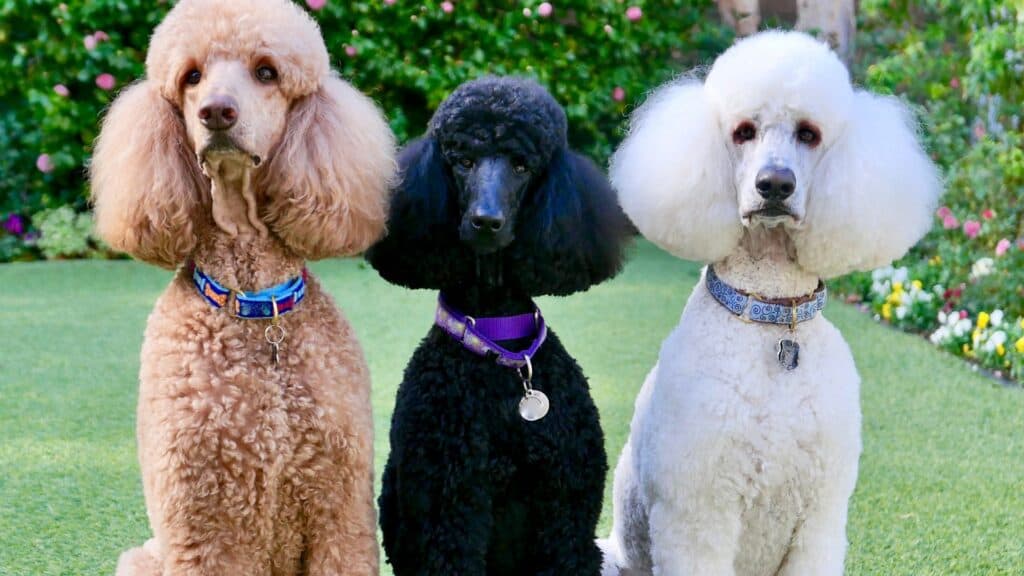
Allergies are a big deal for many people, so choosing a hypoallergenic pet might be essential. Breeds like poodles or schnauzers are known for being less likely to trigger allergies. For fish or reptiles, allergy issues are less common, but ensure your aquarium or terrarium is well-maintained to avoid any issues. If you have a partner or kids with sensitivities, it’s crucial to consider everyone’s comfort.
Consider The Time Commitment

If you’re constantly on the go, a low-maintenance pet like a fish or a hamster that requires minimal interaction might be your best bet. On the other hand, if you’re home often, a dog that craves companionship or a cat that enjoys playtime can thrive with your attention. Remember, some pets need more time and engagement than others, so choose one that matches your availability.
Consider Your Budget

Pets have various costs, from food and vet visits to grooming and toys. If you’re on a budget, small animals like guinea pigs or budget-friendly fish are generally less expensive. More extravagant pets, like purebred dogs or exotic reptiles, can be very pricey to purchase and also pricey to take care of. Be realistic about your financial situation and choose a pet that fits your budget.
Consider Your Family Dynamics

If you have young children, a pet that’s tolerant and gentle, like a Golden Retriever or a bunny rabbit, could be a great choice. For a quieter household or a single-person home, a low-maintenance cat or a small fish tank might be more suitable. Consider how a pet’s temperament fits your family’s dynamic and what would work best. Make sure the pet you choose will be comfortable and happy in your home.
Consider Your Pet & Care Knowledge

If you’re a seasoned pet owner, you might be up for a more complex pet like a parrot, reptile, or a large breed dog that requires specialized care. New pet parents might want to start with something simpler, like a small dog or hamster that’s more forgiving of beginner mistakes. Ensure you’re prepared to meet the care requirements of your chosen pet.
Consider Travel Plans

If you travel often, a pet that can adapt to being alone or stay with a pet sitter, like a cat or a small rodent, might be ideal. Alternatively, if you’re home most of the time, a dog that enjoys companionship and regular interaction could be a perfect match. Consider how your pet will manage when you’re away and plan accordingly. A backup plan for their care will ensure they’re well looked after.
Consider Life Stages

If you’re young and active, you might enjoy the challenge and joy of a high-energy pet that needs lots of exercise. For retired people who prefer a more laid-back lifestyle, a calm and low-maintenance pet could be the way to go. Matching your pet’s energy level with your own will create a more harmonious living situation. Also, consider how much you can handle in the long term. Pet requirements can change.
Consider Your Willingness To Train

If you’re up for training and enjoy spending time teaching tricks, a dog or a bird might be right up your alley. Some pets, like cats or rabbits, don’t require much training and are happy to follow their own routines. Ask yourself exactly how much effort or time you can spare for your pet’s quality of life and well-being. A pet that matches your willingness to train will make the experience smoother.
Consider Your Own Health And Well-Being

If you have health concerns, consider pets that require less physical effort or are less likely to cause allergies, like reptiles, fish, or small gerbils. For those who are very active and healthy, a pet that requires more interaction and exercise, like a high-energy dog, might be a great fit. Ensure that your chosen pet’s health needs align with your ability to provide care.
Consider Your Plans For The Future

If you’re someone who plans ahead and values stability, consider a pet with a long lifespan and manageable care needs. Spontaneous people might enjoy a pet that’s more adaptable to changes, like small gerbils, birds, or fish. Think about how your lifestyle might change in the coming years and choose a pet that will fit with those plans. Being prepared for the future ensures a smoother transition.
Consider Other Pets

If you already own one or more pets, consider them when deciding. You surely don’t want to get a hamster if you own three cats. We don’t need to explain why! If your current pets are still very young, there is a chance you may be able to raise different animals together without problems. Yet, if they are in their adulthood, they should consider a new entry carefully.
Consider Breeds

Owning a Saint Bernard is a completely different experience than owning a Terrier. This is not only because of size but also because of their personality and behaviors. So, figuring out whether you want a cat, a dog, or a rabbit is often insufficient. You should keep breeds in mind, too! For instance, if you don’t want a dog simply because they tend to be too high-energy, get yourself a Newfoundland, and you’ll probably be the one pushing him to go out!
Consider Your Friends and Family

Is someone in your family very allergic to pet hair? Or maybe they are deathly afraid of snakes. Thinking about the people who you love who frequently visit your home is considerate and essential when you are adopting a pet. You don’t want to bring a new pet into your home that will then banish a human that you love. Maybe don’t get a dog if your best friend hates dogs or avoid a pet tarantula if your mom is scared of spiders. You will want other people to be involved in your pet’s like too!