14 Signs That Your Are Giving Too Much in Your Relationship

Relationships thrive on love, trust, and mutual effort, and it’s not always easy to spot when you’re giving more than you’re getting. Overcommitting and constantly giving can leave you feeling drained, unappreciated, and emotionally exhausted. Recognizing the signs of this imbalance is so important to understanding what’s happening and why you feel underappreciated and taking steps to fix it. When you can find a healthy balance where both partners feel valued and like they are contributing equally, then the relationship will thrive. Partnerships are for two equals, not just one person giving all.
When Your Commitment Fuels Your Doubts

Sometimes, you might give a lot in a relationship but feel like you get little in return. Feeling sad and unsure about yourself can be tough. Love should make you feel good, not always worried. If doubts keep bothering you, it means something needs to change. It is important to feel valued and happy. Discussing your feelings with your partner can make a difference.
Silent Conversations and Lost Words

When talking to your partner starts to feel one-sided, it is a warning sign. If you are always trying to talk or share your feelings, but your partner only responds with silence or very short answers, it is time to pause and think. Good relationships grow when both people talk openly and listen to each other. If your words do not seem important to your partner, it can create distance.
Drained Energy Without Emotional Rewards

Relationships should be equal, with both people trying. If you don’t feel noticed or appreciated, it can hurt. You might feel tired and sad when your effort isn’t returned. This can make you feel less confident and unhappy. Relationships should make you feel good, not worn out. Both people need to show they care. If only one person tries, it’s not balanced. It can be exhausting to feel like you are carrying the weight of the relationship alone.
Last-Minute Changes and Cancelled Plans

Constantly dealing with last-minute cancellations or sudden changes can be frustrating. If your partner frequently disrupts plans without considering your feelings, it signals a lack of respect. Being flexible is part of any relationship, but there’s a line. When your schedule is always the one to bend, it shows where priorities lie. Unexpected disruptions without remorse suggest imbalance. Relationships should respect both partners’ time.
When You Are Paying More Than Love’s Price

Relationships aren’t just about how we feel; how we handle money matters too. If you find that you are always paying for things, that’s a warning sign. Talking about money can be hard, but it’s not good if one person always pays more. Both people must help out, even in small ways. This could mean sharing the cost of bills or paying for things you do together. Fairness is important. If your partner hardly ever helps with money or does not want to talk about it, that is a problem.
Dismissed Thoughts and Shrugged-Off Ideas

Being taken seriously in a relationship is key to feeling valued. If your partner dismisses your thoughts or belittles your ideas, it’s hurtful. Feeling ignored when you share your dreams or opinions can be discouraging. It shows a lack of respect for your input. Over time, you may stop sharing, building walls between you and your partner. In a balanced relationship, partners listen and uplift each other.
Doubt Clouds the Future

If you spend more time questioning your relationship’s future than feeling confident about it, it is a concern. A relationship should feel secure, not uncertain. It is a sign of imbalance if you constantly wonder where things are headed or if your partner is committed. Future plans, big or small, should involve both partners. When only one person is thinking ahead, it’s a lonely journey. Doubt can lead to anxiety and stress.
Excuses and External Justifications
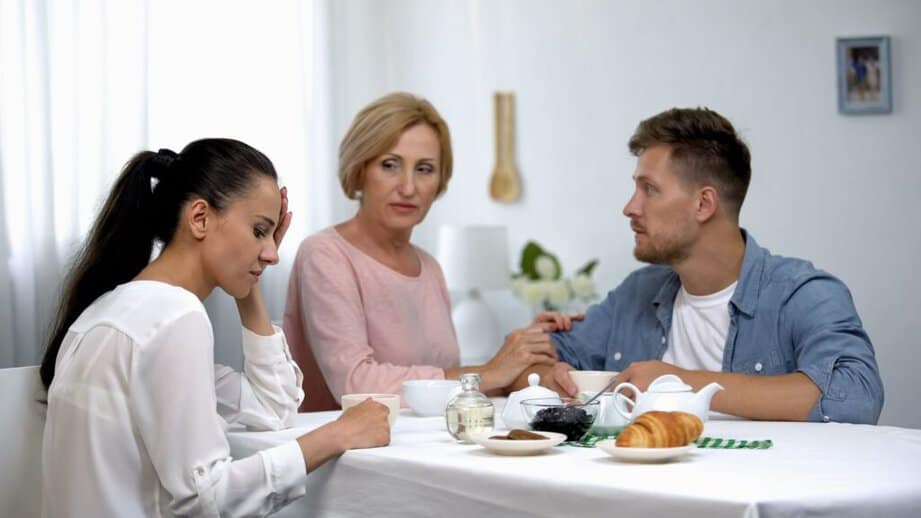
Staying in a relationship because of external factors can mask underlying issues. Whether it is shared friends, family expectations, or routine, these should not be the sole reasons for staying. If you find yourself justifying the relationship despite feeling unsatisfied, it is a problem. Love should be the core reason, not outside influences. When external factors take priority over genuine happiness, the relationship may be lopsided.
A Missing Emotional Connection

Staying in a relationship because of external factors can mask underlying issues. Whether it is shared friends, family expectations, or routine, these should not be the sole reasons for staying. If you find yourself justifying the relationship despite feeling unsatisfied, it is a problem. Love should be the core reason, not outside influences. When external factors take priority over genuine happiness, the relationship may be lopsided.
Unease Over Future Talks

Talking about the future should be fun, but if your partner is uncomfortable, that’s a big clue. Whether you plan for next month or set goals for years later, it says a lot if they hesitate. You might feel nervous just trying to start the conversation. This can make you wonder if they want to be with you. Both people in a relationship should be happy to think and discuss the future together.
Guarded Conversations and Surface-Level Talks

Deep connections come from sharing thoughts, dreams, and fears. If your partner avoids these conversations and sticks to surface-level topics, it signifies emotional distance. It’s hard to feel close when everything remains shallow. True intimacy comes from being open and vulnerable. Without it, relationships feel hollow. When only one person opens up, it creates an uneven emotional investment.
Ignored Texts and Calls That Go Unanswered

When your texts or calls often go unanswered, it can feel hurtful. It may seem like your time and effort do not matter as much to your partner. While everyone gets busy, a pattern of ignored communication is a sign that something is off. It can leave you feeling unimportant and alone. Paying attention to this sign can help you understand if the effort in your relationship is balanced.
When Excuses Replace Real Reasons

If your partner starts to make excuses instead of giving real reasons for their actions, it’s a red flag. You might hear things like “I was too busy” or “I forgot” more often than you should. These excuses can make you feel unimportant or less valued. In a good relationship, being honest is very important. If someone keeps making excuses, it shows they may not try their best. This can make you feel confused and unsure about your place in the relationship.
One Sided Intamacy

When intimacy in a relationship feels one-sided, it’s a clear sign you’re putting in more effort than your partner. If you’re the one always initiating affection, conversations, or wanting physical attention while they remain distant or uninterested, it can feel unbalanced. Intimacy should be a shared experience that both partners actively nurture, not something one person constantly drives.
Always Acting As The Planner

If you’re the one constantly making plans, arranging dates, and keeping the relationship moving forward, it can feel like you’re carrying the entire load. This behavior may show that your partner isn’t putting in the same effort to maintain the connection. This imbalance can lead to frustration and resentment since it feels like the relationship is a one-person job. A healthy partnership requires both people to actively contribute to building a fulfilling life together.
Noticing signs that you are overcommitting in your relationship can be hard, but it is important. It helps you understand when to step back and think about your own needs. A balanced relationship is about both people giving and receiving fairly. Taking the time to see these signs can help you have better conversations with your partner. It can also lead to changes that bring more happiness and peace for both of you.