

The Silent Struggle: Why Talking About Mental Health Is Still Taboo

Mental health impacts everything in our life, yet talking about it is still something many societies struggle to do. With awareness campaigns and advocacy progress being made, there is still a stigma around mental health. This leads people avoid asking for help or not talk about it at all. As a result, the cycle of silence, misunderstanding, and neglect continues. If we know what provokes these taboos and work to solve them, we can build a culture of openness and support.
Stigma Surrounding Mental Health Conversations

Mental health persists to be a taboo topic, and stigma is one of the primary reasons. In general, people with mental health conditions are stereotyped as being weak, unstable, or unreliable, as well as discriminated against in personal and professional settings. These misconceptions fuel fear and shame, isolating those affected. Hence, discouraging discussions around mental health. This stigma bolsters the idea that mental health problems are some kind of a personal failure rather than an actual health problem.
Cultural Norms Discouraging Vulnerability

In many cultures you’re not supposed to talk about mental health; it is seen as a sign of vulnerability and weakness. Traditionally, our values tend to be geared towards resilience and emotional stoicism, particularly for men. Such norms prevent people from understanding when they need help and asking for it. To overcome these cultural barriers, society’s attitudes must be remodeled. Emotional well-being should have the same importance as physical health.
Lack Of Education And Awareness

Many people are not aware of how mental health conditions work, mistaking it for mere personality traits or a temporary mood swings. This misinformation stops meaningful conversation and builds harmful myths. Providing more accessibility to mental health education will adequately empower people with the skill to recognize it and help others when needed.
Fear Of Judgment And Rejection

Those with mental health issues are often afraid of being judged or excluded and keep their struggles to themselves. This fear is extreme in workplaces or social contexts where acceptance is contingent with being seen as strong and capable. Some have the feeling that admitting mental health struggles means they jeopardize relationships or opportunities. Creating environments where perfection isn’t the most valued quality, but being open and empathetic instead will help to overcome this fear.
Historical Conduct Of Mental Illness

The history of mental illness is marked by misunderstanding and abuse, including inhumane treatment in asylums and societal rejection. History has left a legacy of fear and mistrust in mental health conversations. Treatment and understanding have progressed, but traces of these dark chapter’s remain. It is essential to acknowledge this past to destigmatize mental health discussions.
Media Representation

Media can distort or negatively portray mental illnesses because it can influence opinions; frequently, the mental health conditions of many characters are represented as violent, unpredictable, or burdensome, and this reinforces harmful stereotypes. Such portrayals continue to stifle real-life conversations by eternalizing fear and misunderstanding. Supporting an accurate, compassionate media representation will help shift public attitudes.
Limited Access To Resources

The limited availability of things like therapy, counseling and readily available support groups only heighten the taboo around mental health. People downplay their problems or think they’re in them alone when help seems out of reach. This reinforces silence around mental health issues; breaking this cycle involves broadening access to affordable care services.
Impact On Relationships

Hesitation to talk about mental health has repercussions on relationships and communities. The silent battle of mental health does not have to remain unspoken; suppressing struggles can lead to misunderstandings, strained relationships, and conflicts. Encouraging open conversations can bring people closer and create healthier communities.
Breaking The Silence Benefit

Breaking the silence around mental health has many benefits for the individual and society. Early intervention can lessen the severity and impact of mental health conditions. It can also create a culture of greater understanding and support as individuals feel less alone. Normalizing mental health discussions will lead to more empathetic and inclusive communities.
Normalizing Mental Health Conversations

Despite the benefits, there are, however, drawbacks to normalizing mental health conversations. Change is slow because of the deeply ingrained beliefs and systemic barriers. Moreover, mental health problems can be oversimplified, which could end up producing shallow support instead of real change. To get around these complexities, time and effort must be invested.
Role Of Advocacy And Leadership
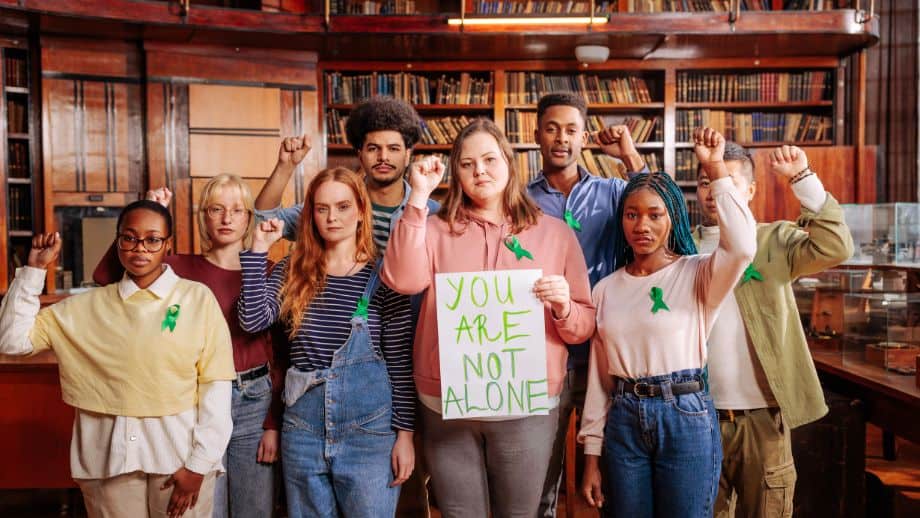
Mental health needs to be supported by advocacy and leadership. Their platforms have the potential to destigmatize the challenges of living with mental health and also model openness from public figures, organizations, and grassroots movements. Their efforts provide others a way to share their story without being met with judgment and can inspire others seeking help to do the same. Advocacy also encourages policy changes that ensure better quality and access to mental health care.
Toward An Inclusive Future

It takes empathy, education, and a system overhaul to overcome the taboo around mental health. We can begin as individuals by creating safe spaces for people to feel comfortable enough to talk about their battles. Though change may be gradual, moving forward in any direction towards open conversation pushes us one step closer to a more equal world in which mental illness does not differ in treatment compared to physical illness.
Every individual or collective conversation brings us much closer to a world where one living with mental health struggles is welcomed rather than met with contempt. Through education, empathy, and determination, we can rewrite the narrative. Together, we can move the situation from taboo to acceptance, and create a healthier, more understanding society.


