

16 Tips for Saving Money While Still Having Fun

Saving money doesn’t have to mean sacrificing all the fun things you enjoy in life. It simply means being smart and being frugal whenever possible. There are tons of little things you can do on a daily basis that will help you spend less and save more. Take a look at these 15 simple tricks to living a more resourceful and frugal life. These money-saving hacks will help you save money almost immediately. Don’t stop having fun just to save your pennies. Get in the habit of doing these easy things instead, and you will be able to watch your savings grow!
Turn Off the Light

Lower your utility bills by being mindful of energy use. Simple actions like turning off lights when not in use, using energy-efficient bulbs, and unplugging devices can add up. Additionally, consider using a programmable thermostat to optimize heating and cooling, sealing drafts in your home, and washing clothes in cold water. These efforts reduce your energy consumption and contribute to a more sustainable lifestyle, benefiting your wallet and the environment.
Create a “Leftover Buffet” Night

Designate one night a week to use up all leftovers in your fridge. This practice not only saves money but also reduces food waste. You can get creative with your meals by assembling all the leftovers to create new dishes. Moreover, it’s a fun way to clear your fridge and ensure nothing goes to waste. A leftover buffet night turns potential waste into delicious savings.
Practice the “Pantry Challenge”

Commit to eating only what you already have in your pantry for a week, such as a week. This challenge forces you to get creative with your meals and avoid unnecessary grocery shopping. It’s a great way to use up items sitting around and save money on groceries. The pantry challenge encourages resourcefulness and reduces food expenses. It’s a test of culinary creativity and frugality.
Swap Skills with Friends

Trade skills and services with friends and neighbors instead of paying for them. For example, offer to babysit in exchange for help with gardening or trade home-cooked meals for car repairs. This bartering system can save you money and strengthen community bonds. Everyone has unique skills that can be valuable to others. Swapping skills turn social connections into economic benefits.
DIY Gift-Giving

Make your own gifts rather than buying them. Handmade or DIY gifts can be more purposeful and cost-effective in long term. Ideas include baked goods, crafts, personalized photo albums, or knitted scarves. Not only do you save money, but you also give something unique and heartfelt. DIY gifts add an individual methodology that store-bought items often lack.
Host a Clothing Swap Party

Invite friends to bring gently used clothes and accessories to a swap party. Everyone can exchange items they no longer wear for new-to-them pieces. It’s a fun, social way to refresh your wardrobe without spending money. Clothing swaps promote sustainable fashion and help you find hidden gems. This communal approach to fashion is both economical and eco-friendly.
Make a Vision Board
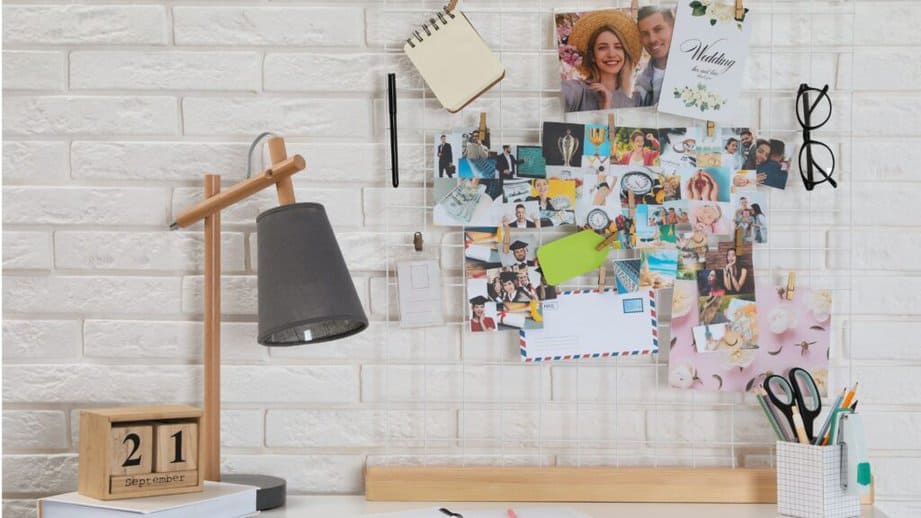
Curate a vision board with images and quotes that represent your financial goals. Place it somewhere you’ll see it daily to keep your savings goals at the forefront of your mind. This visual reminder can motivate you to stick to your budget and resist unnecessary spending. Financial vision boards turn abstract goals into tangible inspirations. They serve as daily motivation for frugal living.
Use the “Envelope System” for Budgeting

Divide your monthly budget into categories and place the cash for each category into labeled envelopes. The envelope budgeting system helps you track spending and avoid overspending. Once an envelope is empty, you can’t spend any more in that category for the month. The envelope system enforces discipline and makes budgeting tangible. It is a great way to keep your expenses in control.
Create a Home Inventory

This is one of the simple tricks that will help you in the long term. Make a detailed inventory of everything you own. This can prevent you from buying duplicates and help you keep track of what you have. A home inventory is also helpful for insurance purposes in case of theft or disaster. Knowing what you already own can reduce unnecessary purchases and save you a lot of money.
Implement a “Cooling-Off” Period

Before making any non-essential purchase, impose a cooling-off period, such as 48 hours or a week. This pause can help you reconsider whether you need the item. Sometimes, we make impulsive purchases and find out later that we didn’t have to. The desire to buy often diminishes over time, saving you money and preventing impulse buys. A cooling-off period fosters mindful spending and reduces buyer’s remorse.
Set Up a “Spare Change” Jar
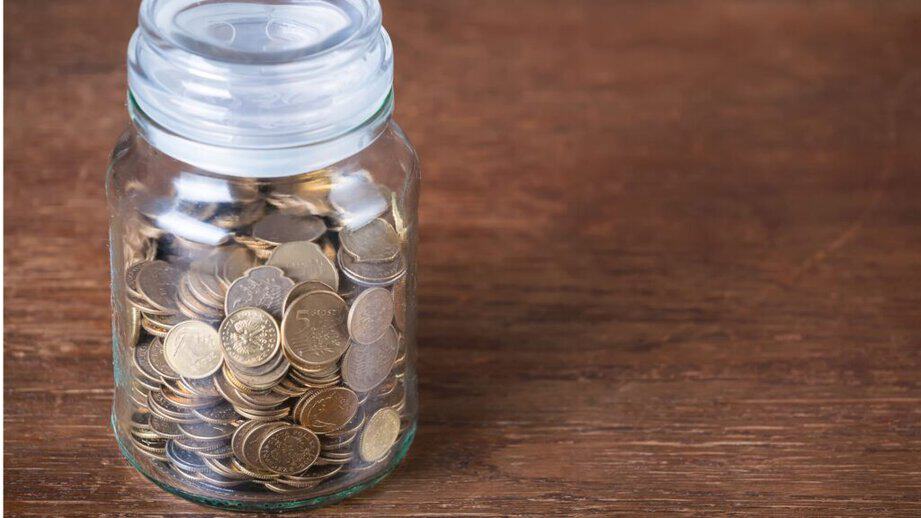
This is another great trick that can surprise you in the long term. Collect all your spare change in a jar or piggy bank. Over time, these small amounts can add up significantly. Use the accumulated change for a specific goal, like a treat or a savings boost. This practice makes saving fun and tangible. A spare change jar turns loose coins into meaningful savings.
Invest in Reusable Products
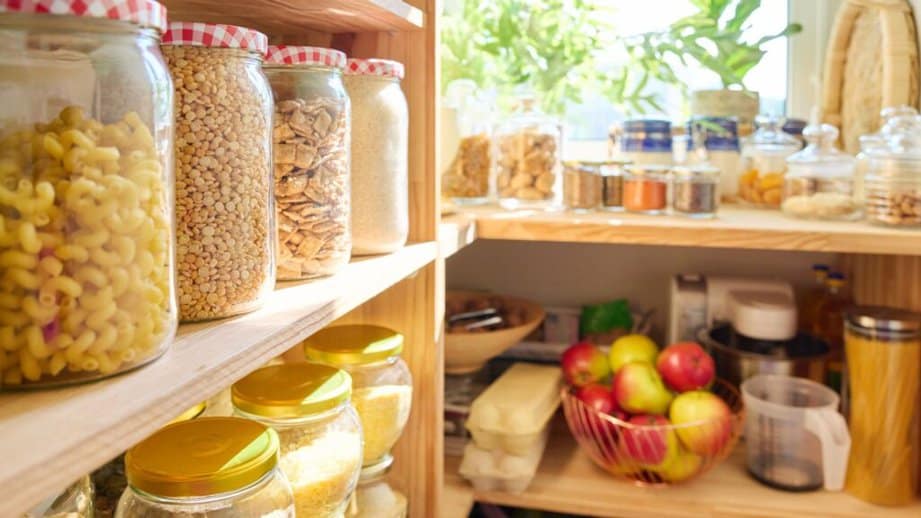
Switch to reusable products like water bottles, shopping bags, and food containers. While the initial investment is higher, reusable items save money in the long run by reducing the need for disposable products. They’re also better for the environment. Investing in reusables promotes sustainability and long-term savings. It’s an upfront cost that pays off over time.
Go Shopping In Your Closet
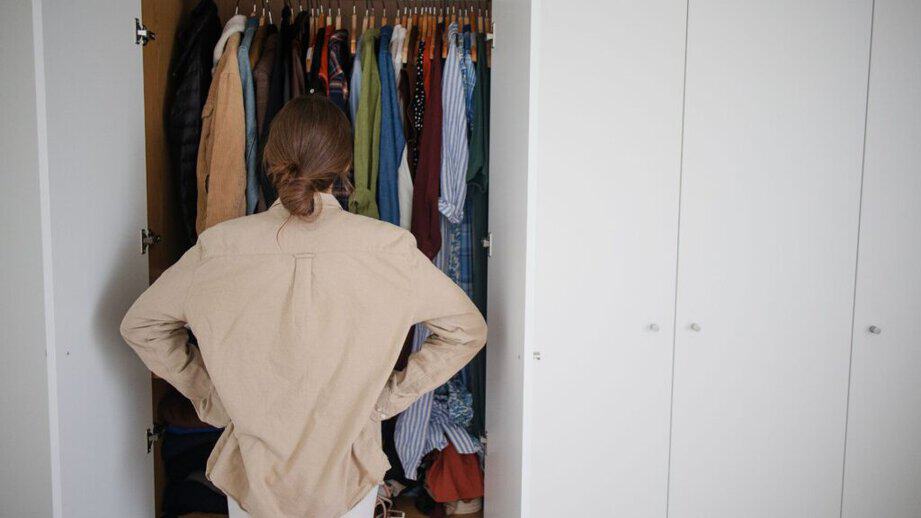
Do you think that you have nothing to wear? Rather than buying new clothes, dig deep into your closet and see what you can find. You may be surprised to rediscover outfits that you forgot you owned or find clothes that have come back in style. Most of us already have so many clothes that are beautiful and wearable. Before you run to the store to buy new things, just look at what you already have. You will save a lot of money and still look amazing.
Walk Instead of Drive

We are all quick to hop into our cars and drive everywhere we need to go. However, many of us live in areas where stores and shops are not that far away. Rather than relying on your car to go from place to place, consider walking, biking, or even roller skating to your destination. You will save money on gas and wear and tear on your car, and you will also get some welcome exercise!
Buy Generic

So many of us tend to reach for products that have brand names on the box. We buy names that we recognize rather than choosing the same product with a generic label. However, store brand items are very often the exact same as the brand name. Sometimes, they are even made in the same factory! When you go to the grocery store, opt for the generic brands instead of the big-name boxes. You will save so much money and still get to enjoy the same tasty foods you love.
You do not need to complicate or restrict your lifestyle. By executing these 15 simple tips, you can save significant money, decrease wastage, and enjoy a more mindful spending methodology. The basic one starts with turning off phantom power, hosting clothing swaps, creating a financial vision board, and practicing the pantry challenges. These strategies are straightforward to follow in your mundane life.


