The Fascinating Truth About Brain Activity After Death
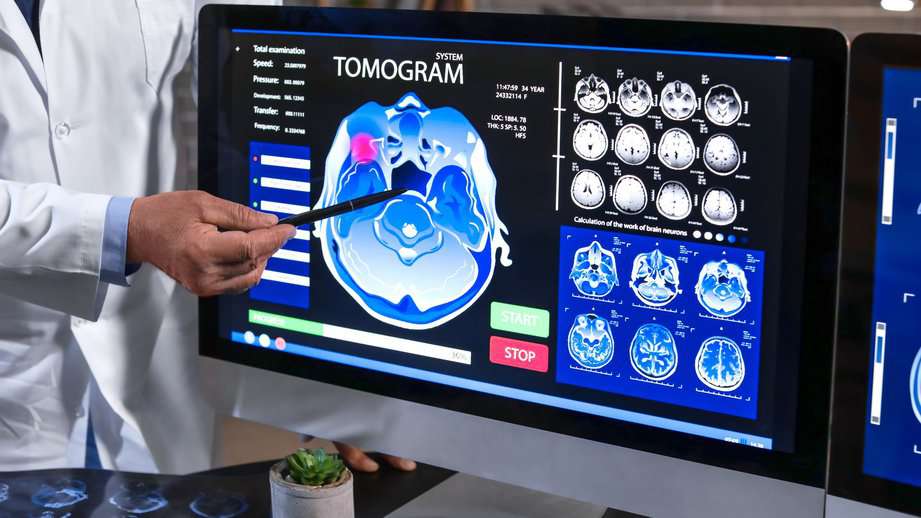
The thought of the brain staying active after death might sound like something out of a science fiction novel or even out of a horror movie. But, groundbreaking research led by Dr. Jimo Borjigin at the University of Michigan has revealed it’s not just a fantasy. The study shows that for a brief window after the body shuts down, the brain remains surprisingly active, which is a phenomenon as eerie as it is intriguing. This discovery doesn’t just change how we understand death; it also opens up profound questions about consciousness and what it means to be alive.
Could this fleeting brain activity be tied to near-death experiences or something even more mysterious? The implications are as philosophical as they are scientific, challenging our deepest ideas about life and its end.
Brief Activity

Brain activity can continue after the heart stops beating for several minutes. Researchers observed a surge of electrical activity in the brains of patients in their final moments; this activity can sometimes occur after a person’s breathing stops but before the brain ceases to function entirely. This phenomenon reflects organized neural activity similar to states of consciousness, such as dreaming or wakefulness.
Echoes of Awareness
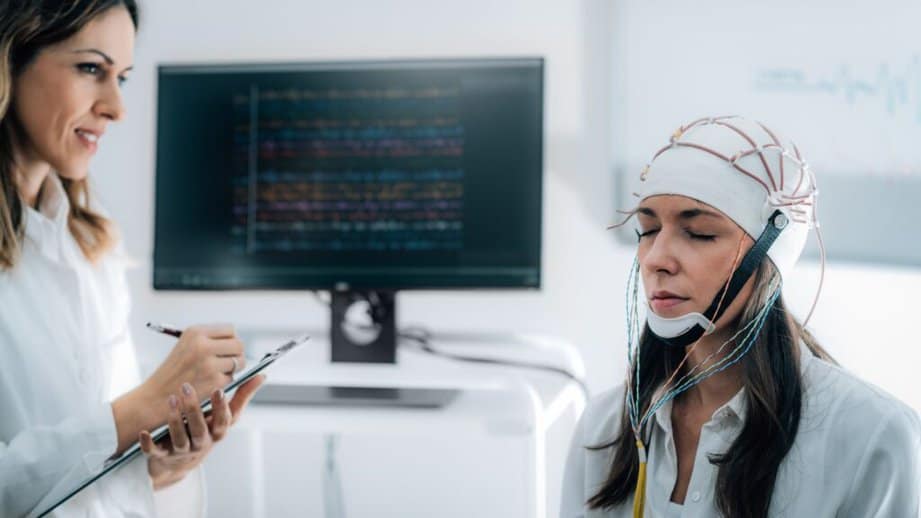
Electroencephalograms (EEGs) have recorded brain waves in deceased patients for a few minutes after cardiac arrest, showing that electrical activity does not cease instantly. The study found that the electrical patterns in the dying brain are similar to those seen when people are awake. This raises the possibility that individuals might experience a brief heightened consciousness just before death.
Last Light

One of the most intriguing findings is the burst of brain activity that occurs moments before death, which could explain near-death experiences (NDEs). These experiences often include vivid visions, a sense of detachment from the body, or reliving memories, all potentially linked to this neural surge. The moments just before death might be more active and conscious than previously thought; this new understanding challenges the idea that death is an immediate and total cessation of all brain function.
Near-Death Narratives

People who have been resuscitated report profound experiences during their near-death states. This surge could explain the intense and profound experiences reported by individuals who have been revived after death, such as seeing a tunnel of light or feeling an overwhelming sense of peace. It might be linked to the electrical surges observed in the brain during the dying process.
Scientific Scrutiny
While the exact implications of this brain activity are still being studied, it challenges the traditional understanding of death. When the heart stops, the oxygen supply to the brain is cut off, but it takes time for the neurons to deplete their reserves of oxygen and glucose. Scientists are intrigued by the potential for these findings to reshape how we think about consciousness and the final moments of life.
Electrical Eulogy
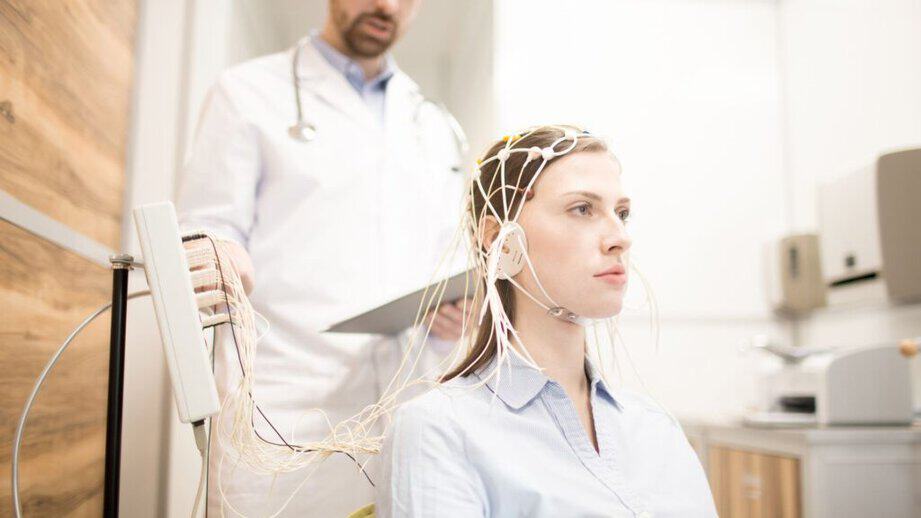
The surge in brain activity is not just random; it appears to be highly organized. This structured neural activity suggests that the brain might be processing information or making one last attempt to maintain consciousness, even as the body shuts down. Understanding brain activity post-mortem could lead to advances in medical procedures, particularly improving resuscitation and critical care techniques.
Mystical Mechanisms
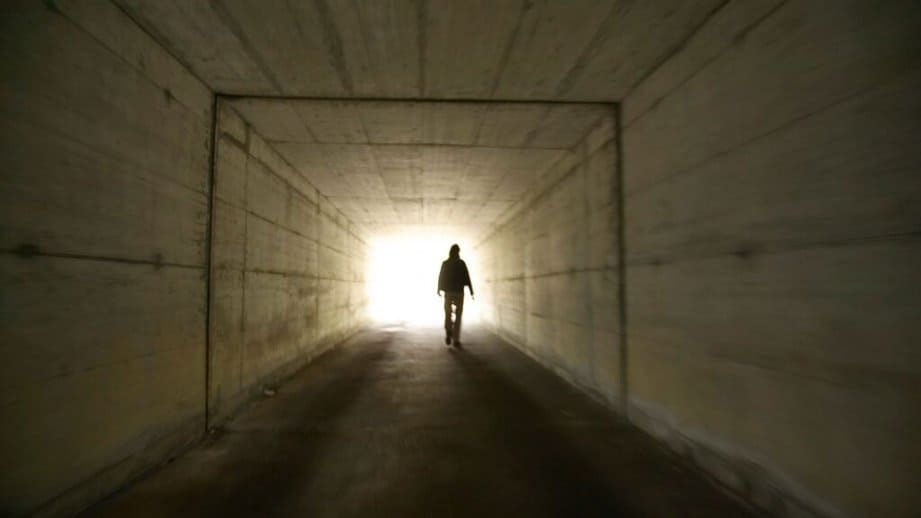
The heightened brain activity could also suggest that the brain enters a hyper-lucid state, providing a natural explanation for vivid and otherworldly perceptions. The organized neural patterns seen during the dying process could help explain why many people report mystical or transcendental experiences during near-death events. These experiences are often described in spiritual or metaphysical terms but might have a neurological basis.
Final Frontier
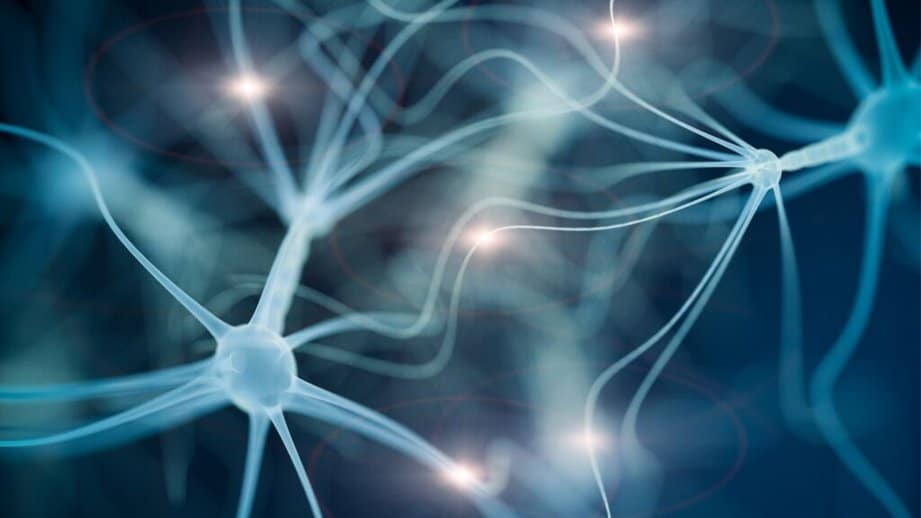
Research into brain activity after death opens up new frontiers in neuroscience. Brain cells, particularly neurons, do not die immediately. Depending on the conditions, they can remain viable for hours after death. Understanding these final surges could provide insights into the nature of consciousness, helping answer some of the most profound questions about human existence.
Beyond The Veil
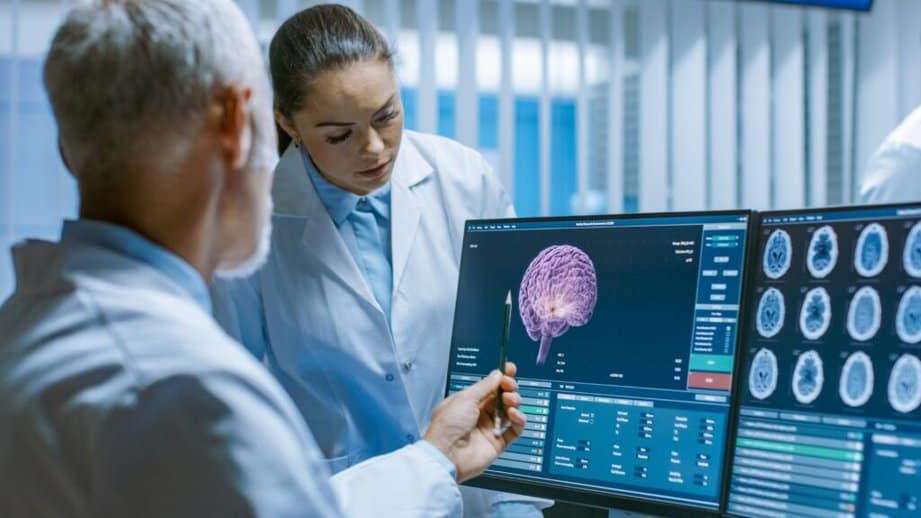
Although the patients in the study ultimately died, the findings suggest that the brain remains active for a brief period, potentially giving rise to the sensations and visions described by those who have had near-death experiences. Evidence suggests that the brain’s memory centers might continue functioning for a short time post-mortem. It could explain the vivid recollections reported by near-death survivors.
Brain Heartbeat

The relationship between brain activity and heart function is complex. Near-death experiences often involve both neurological and cardiovascular components, with the brain’s final electrical surge potentially influencing the heart’s behavior. On a molecular level, cells’ processes to communicate and perform functions continue briefly after death, including synthesizing specific proteins.
Clinical Implications

The findings significantly impact medical practice, particularly in end-of-life care and treating patients experiencing heart attacks or other critical conditions. The knowledge that brain activity persists after death also raises ethical questions, particularly in the context of organ donation and determining the exact moment of death.
The Great Unknown

While we have learned a lot from these studies, many questions remain. The exact reasons for and implications of post-mortem brain activity are still being explored, with researchers continuing to delve into this mysterious aspect of human biology. They have indicated that some level of awareness might persist briefly after death; people who have been resurrected often report being aware of their surroundings during the period they were clinically dead.
The concept that your brain still works after death is fascinating and opens up numerous avenues for scientific exploration. By continuing to study this phenomenon, researchers hope to uncover more about the intricate workings of the human brain and the nature of consciousness itself. This ongoing research deepens our understanding of life and death and can potentially improve medical practices and ethical guidelines surrounding end-of-life care.
This article was inspired by the “Surge of Neurophysiological Coherence and Connectivity in the Dying Brain” by Jimo Borjigin et al., published in the Proceedings of the National Academy of Sciences (PNAS) (origin.lab.medicine.umich) (ScienceDaily).