16 Ways to Use The Power of Your Mind to Make Your Life Better

Your mind is like an endless, mysterious maze that is fascinating, complex, and full of untapped potential. Despite all our advances in technology and medicine, we may never fully uncover the secrets of the brain. But, we do know one thing and that is that taking care of your mind is essential. While most people turn to medications or doctors when they’re feeling off, your brain might just hold the power to heal your body all on its own. In The Biology of Belief, Dr. Bruce Lipton talks about the incredible connection between your brain and your health, showing how understanding your mind can transform how you feel. If you are ready to harness the power of your brain and feel amazing, here are some simple tips and tricks to get started.
Note: The content of this article is for informational purposes only and is not a substitute for professional advice. Always consult with a qualified professional for advice tailored to your individual circumstances.
Epigenetic Affirmations

In a nutshell, this is the process of using positive affirmations to support specific genetic expression. Dr. Lipton emphasizes that our beliefs can influence our gene expression, so using affirmations like “I am activating my genes for vibrant health” or something as simple as “My body has all the tools to heal itself” can have a significant impact on your biology.
Conscious Reprogramming

Most of us have programmed subconscious beliefs that may be limiting our health potential. It’s imperative to rewire your belief systems consciously and thought patterns to create a healthy mental and physical body. By recognizing and challenging these ingrained beliefs, you can embark on a journey of self-discovery and empowerment. Engaging in practices such as mindfulness, self-reflection, and affirmations can facilitate this transformative process, fostering a deeper connection between mind, body, and spirit.
The Mind-Body Connection

You can explore utilizing practices such as visualization, mindfulness, meditation, and breath work to explore the intricate connection between your mind and body. In doing so, you strengthen their connection and promote an overall sense of wellness and harmony. These practices are incredibly old, and people all over the world have used them for centuries to boost their health.
Positive Psychology Practices

Positive psychology principles can be incorporated into your daily routine with a focus on your strengths, resilience, and gratitude. The Biology of Belief underlines research that shows this practice has benefits for health and longevity. Simply learn to recognize negativity and not allow it to ruin your day by embracing positivity. It will be difficult at first, but with time, you will master this skill.
Neuroplasticity Exercises

Neuroplasticity is the brain’s ability to change and adapt, and you can utilize this through mental exercises and challenges. Lipton’s research emphasizes the importance of ongoing learning and mental stimulation for brain health. By embracing activities that stimulate neuroplasticity, such as learning new skills, exploring different perspectives, and engaging in creative endeavors, you can enhance your overall brain health, which is beneficial for personal growth and essential for maintaining mental acuity and vitality.
Emotional Freedom Techniques (EFT)
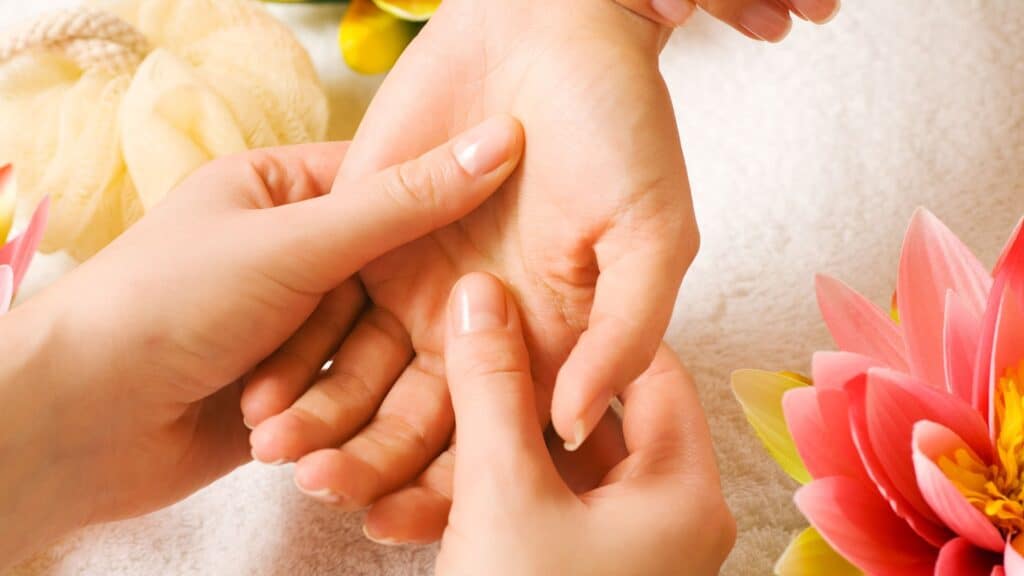
EFT is a well-known therapeutic technique that combines tapping on specific meridian points of the body with affirmations. Lipton discusses how EFT can help release emotional blocks and promote healing on a cellular level. This technique, developed by Gary Craig, aims to re-establish the correct energy balance in your body and eliminate negative emotions and pain.
Mindful Nutrition

Mindful eating is a positive habit to pick up, along with exploring the impact of thoughts and emotions on digestion/nutrient absorption. Lipton’s work in this book highlights the importance of a positive mindset during meals for the best optimal digestion & overall health. Also, eat slowly, without distractions, for instance, by switching off the TV, and savor every bite.
Stress Reduction Techniques

In his book, Dr. Lipton emphasizes the detrimental effects of chronic stress on health and the importance of managing stress for your well-being. Some effective stress reduction techniques you can utilize are deep breathing, progressive muscle relaxation, and visualization. Try one of these for a few days and see whether you notice a difference in your body.
Belief-Based Healing

Belief-based healing is when beliefs and expectations significantly influence the body’s ability to heal. These insights challenge traditional views of medicine and encourage a more integrative and personal approach to health and healing. Belief-based healing highlights the complex interplay between the mind and body and underscores the importance of psychological factors in health and healing processes.
Mindful Movement Practice

Mindful movement practices such as yoga, tai chi, or qigong help enhance your mind-body awareness and promote physical and mental well-being. This book provides research that shows us the benefits of combining movement with mindfulness for holistic health. See whether any gym in your area offers this type of activity and try attending a few lessons.
Cultivating Positive Relationships

When you set aside time to cultivate positive and supportive relationships (as emphasized by Lipton’s research on the impact of social connections on health), you surround yourself with uplifting individuals who can enhance your overall well-being and resilience. So, never take your friends for granted. You will be surprised by how much positivity an afternoon with them can bring to your life.
Holistic Self-care Rituals

Developing holistic self-care rituals that nourish your mind, body, and spirit is an important tool. Incorporate practices like aromatherapy, self-massage, journaling, and spending time in nature to promote holistic wellness and shift your mind to the state of health you want to be in. Make sure to be consistent, or all your efforts will be vain. A few minutes every day will be enough.
Meditation

Meditation has plenty of positive repercussions on our bodies. This practice can help us deal with stress and anxiety, boosting our health. If you have time, spend at least 15 minutes meditating every day. While this may seem incredibly tough initially, you will learn to love this practice with time. Again, consistency is key, so turn this into a habit, such as doing it before going to sleep.
Laughing

The act of laughing can also have plenty of benefits. For instance, it stimulates many organs, including our lungs, heart, and muscles, while releasing endorphins in our brains. Some of the long-term effects include relief from pain, a better immune system, and personal satisfaction. So, make sure to be silly with your partner, watch stand-up comedians, and do whatever else to bring a smile to your face.
Gratitude Practices

In today’s society, it is easy to assume the role of victim. Instead of this attitude, try to focus on gratitude. There are so many reasons why we should be grateful for being alive right now. Every day, try to list three things for which you are grateful, whether it’s your pet, your friends, or a steaming cup of coffee. With time, you will surely see the benefits of this practice.
Focused Concentration

If you are fully determined to make a change, you should try focusing all of your energy on making that change happen. Concentrating on one specific task can have a huge effect on the body. When you eliminate distractions, it will allow your mind to be less stressed and anxious. You will have improved mental clarity and likely be emotionally balanced. Decide what is important, focus on this one issue, and put your energy toward making a change.
This article was inspired by The Biology of Belief by Dr Lipton and originally published at WMN Lives.